Kalanchoë Fang Monstruosa

Kalanchoë Fang Monstruosa

Kalanchoë Fang Monstruosa

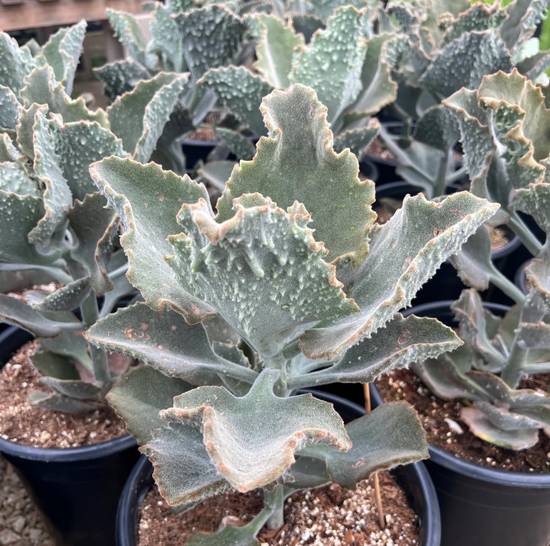
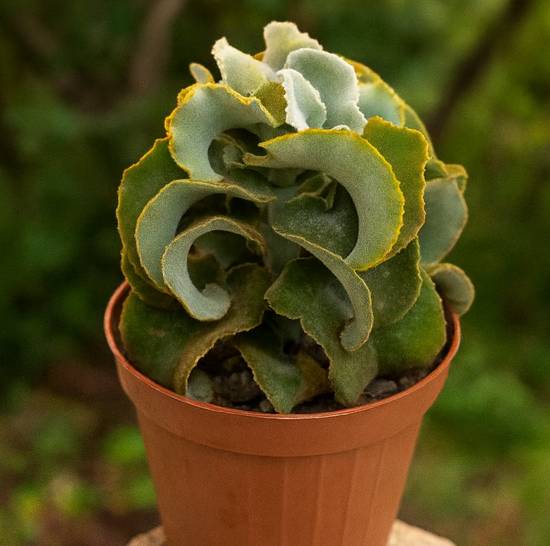
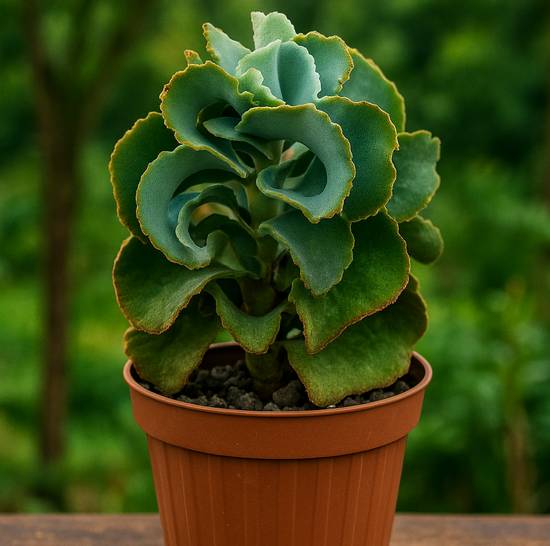
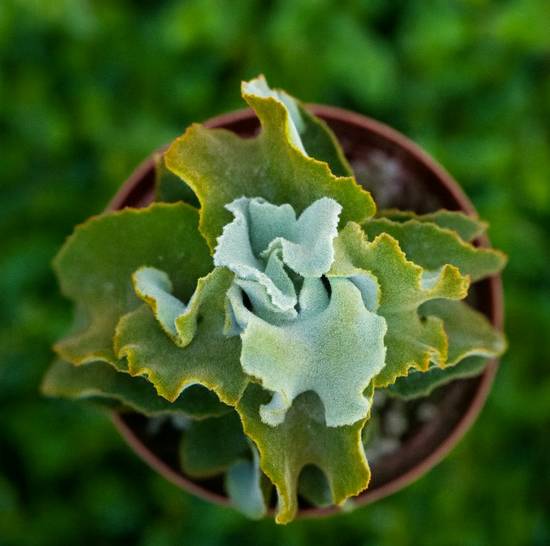
The Kalanchoë Fang Monstruosa is a fascinating and rare form of the famous Kalanchoë Fang. This so-called "monstruosa" variety stands out for its atypical growth, displaying natural deformities and irregular outgrowths on the leaves, creating a twisted and sculptural silhouette. This phenomenon, highly prized by rare plant enthusiasts, gives the plant an almost extraterrestrial charm, with the appearance of a living sculpture. Its thick, velvety and fleshy leaves are dotted with brownish teeth along the edges and covered with small silvery hairs, giving them a soft and velvety touch.

The monstruosa form intensifies this singular appearance by adding twists, protrusions or developmental anomalies that transform each specimen into a unique piece. This spontaneous mutation is sought after for its unconventional aspect, offering a raw and spectacular aesthetic that instantly draws attention. It is a perfect plant for collectors or lovers of succulents that stand out from the ordinary.

The Kalanchoë Fang Monstruosa originates from the crossing or mutation of plants native to the semi-arid regions of southeastern Africa, notably Zimbabwe and Mozambique.
To thrive, Kalanchoë Fang Monstruosa needs abundant light.

🌞 Direct sun or bright light : An exposure of 4 to 6 hours per day of direct light is ideal, especially in the morning.

🌤️ Indoor adaptation : Indoors, place it near a south- or west-facing window. Insufficient light will cause stretching and loss of coloration.
Watering is crucial for the health of Kalanchoë Fang Monstruosa.

🌱 In spring and summer : Water only when the substrate is completely dry, about every 2 to 3 weeks.

🍂 In autumn and winter : Greatly reduce watering, or stop completely.

⚠️ Warning : Excess water is the greatest danger, causing rapid collar or root rot.
Kalanchoë Fang Monstruosa enjoys warmth but strongly fears cold.

🌡️ Ideal : Between 18°C and 28°C during its growing period.

❄️ Minimum : Never expose below 5°C. Bring indoors as soon as nights become cool.
Choosing the right substrate is essential to avoid excess moisture.

🪨 Recommended soil : Use a cactus substrate or a homemade mix composed of potting soil, sand and minerals such as perlite or pozzolana. Drainage must be impeccable to keep roots healthy.
Although it is not grown for its flowers, Kalanchoë Fang Monstruosa can still produce discreet blooms.

🌸 Appearance : Late winter or spring.

🎨 Color : Red-orange tubular flowers on an upright flower stalk.

📏 Note : Flowering is rare in cultivation, especially indoors, but remains a pleasant bonus when it occurs.
FAQ - Kalanchoë Fang Monstruosa

How should Kalanchoë Fang Monstruosa be watered properly?
It requires very moderate watering. During the growing season, always wait until the substrate is completely dry. In winter, drastically limit watering, as excess moisture can cause irreversible rot.
What exposure is best for Kalanchoë Fang Monstruosa?
Bright, direct light is essential. Place it in a sunny spot or behind a bright window. Without sufficient light, its leaves lose texture and vigor.
What is the best substrate for Kalanchoë Fang Monstruosa?
Use a suitable substrate enriched with perlite or pumice to ensure proper drainage. The soil must dry quickly after watering.
How can I recognize overwatering or underwatering in Kalanchoë Fang Monstruosa?
Overwatering causes leaf softening and possible drop. Underwatering makes the leaves limp and wrinkled. When unsure, it is better to delay watering.
Can Kalanchoë Fang Monstruosa live outdoors?
Yes, but only in warm climates. It tolerates full sun in summer if protected from rain. Bring it indoors once temperatures fall below 10°C.
Is Kalanchoë Fang Monstruosa toxic to pets?
Yes, like many kalanchoes, it is toxic to cats, dogs, and other pets. Keep it out of their reach.
Should Kalanchoë Fang Monstruosa be fertilized?
Yes, light fertilization in spring promotes growth. Use a succulent fertilizer once a month between April and August.
Why are the leaves of my Kalanchoë Fang Monstruosa turning black?
Blackening may indicate excess moisture, thermal shock, or fungal infection. Check watering frequency and ensure proper drainage.
Is Kalanchoë Fang Monstruosa easy to propagate?
Yes, stems or leaves can be taken and left to dry for a few days before placing in dry substrate. Rooting occurs within a few weeks.
How can flowering be stimulated in Kalanchoë Fang Monstruosa?
Reduce watering in winter, provide a cool resting period with bright light in spring. With proper care, flowering may follow.