Kalanchoë Katapifa Tarantula
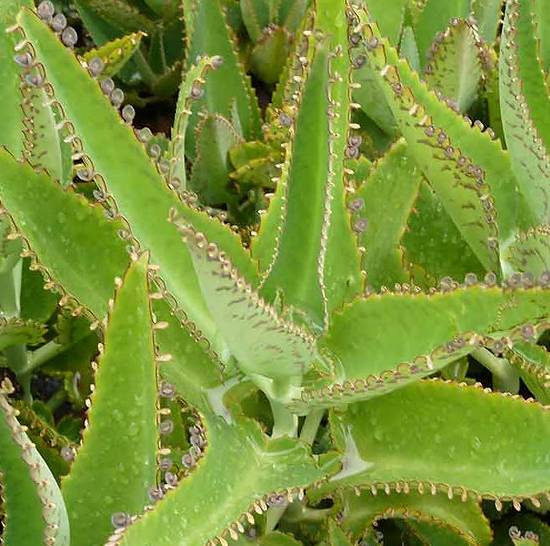
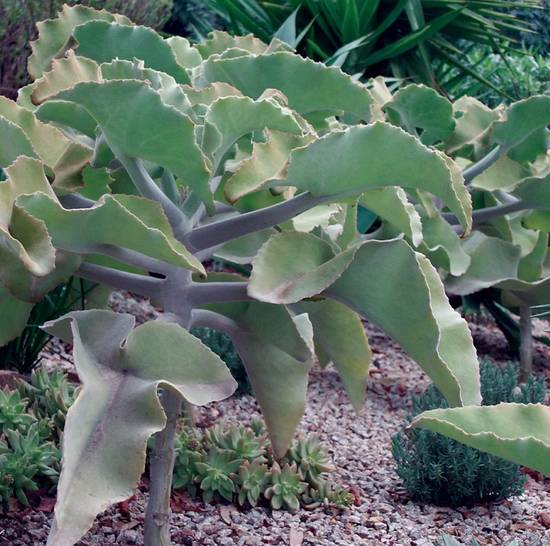
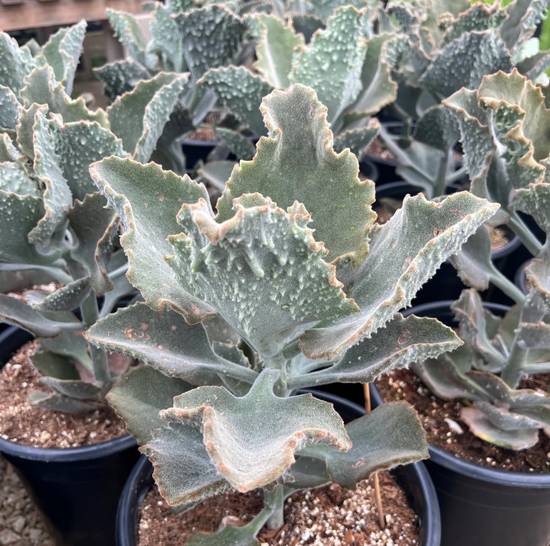
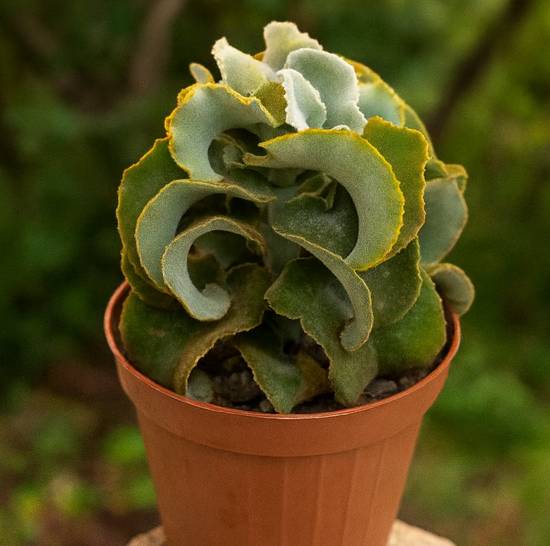
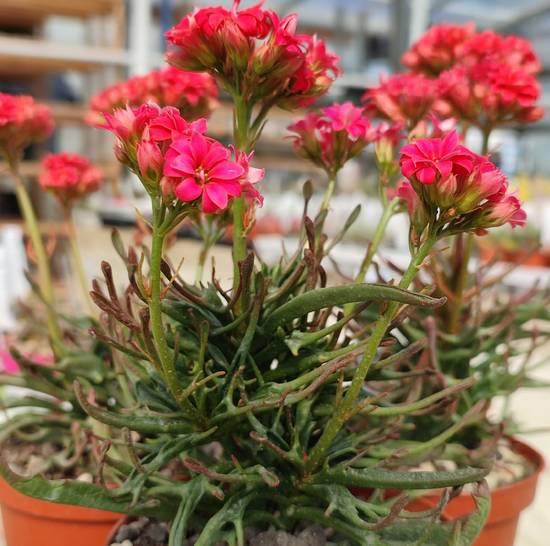
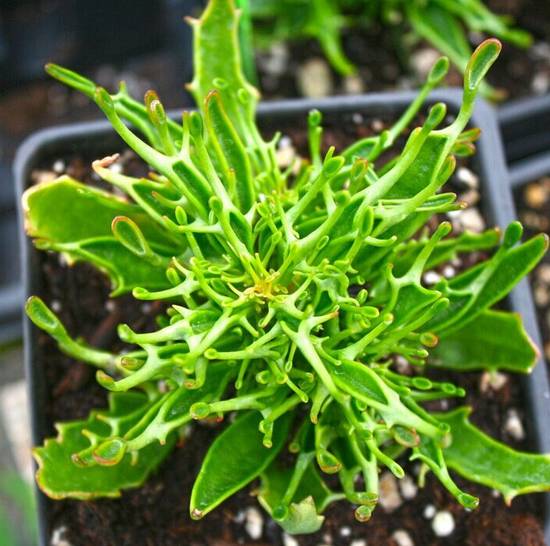
The Kalanchoë Katapifa Tarantula is a succulent with a totally unusual appearance, captivating with its finely cut, twisted and bristling foliage that evokes the legs of a spider – hence its name “Tarantula”. This spectacular, almost monstrous form makes it a living piece of plant design. Each leaf is elongated, curved outward, often streaked or slightly toothed, giving the plant a disordered and fascinating look, somewhere between boldness and elegance.
The plant’s habit is generally bushy, with fleshy and branched stems that grow to a moderate height (20 to 30 cm), then spread into a disordered clump. In a pot, Kalanchoë Katapifa Tarantula immediately draws attention with its original silhouette and pale green to bluish-gray tones, sometimes enhanced with bronze or purple reflections depending on exposure. It is a perfect plant to add an offbeat and contemporary touch to an interior, a dry garden or a collection of unusual succulents.
🌞 Direct light : 4 to 6 hours of gentle sun per day, especially in the morning or late afternoon.
🌤️ Bright light : Indoors, place it near a well-exposed window (south or west orientation).
💡 Lack of light will make it more elongated, less bushy, and its leaves will lose their characteristic twisted shape.
🌱 Spring / summer : water moderately every 10 to 15 days. Always wait until the substrate is completely dry.
🍂 Autumn / winter : drastically reduce watering. Watering every 3 to 4 weeks is more than enough.
⚡ Key advice : Too much water is fatal for this plant. It prefers to be thirsty rather than sit in moisture.
🌡️ Comfort zone : between 20°C and 28°C.
❄️ Tolerance limit : never expose below 8°C.
🏠 In winter, bring it indoors to a bright and dry place, away from drafts and humidity.
🪨 Use a succulent substrate enriched with 50% perlite or pozzolana. This airy mix allows the roots to breathe and prevents water accumulation responsible for rot.
🌸 Period : late winter or early spring.
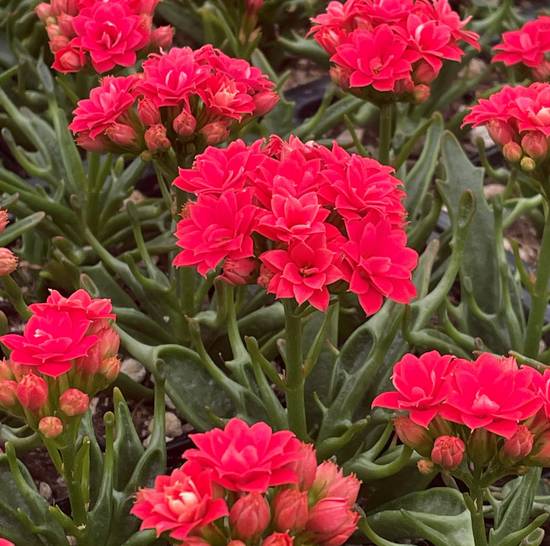
🎨 Appearance : small pale yellow to creamy white star-shaped flowers grouped in terminal inflorescences.
🕑 Particularity : flowering may alter the plant’s symmetry, so some prefer to remove it to maintain a bushy habit.