Kalanchoë Laciniata

Kalanchoë Laciniata
Kalanchoë Laciniata
Kalanchoë Laciniata

Kalanchoë Laciniata

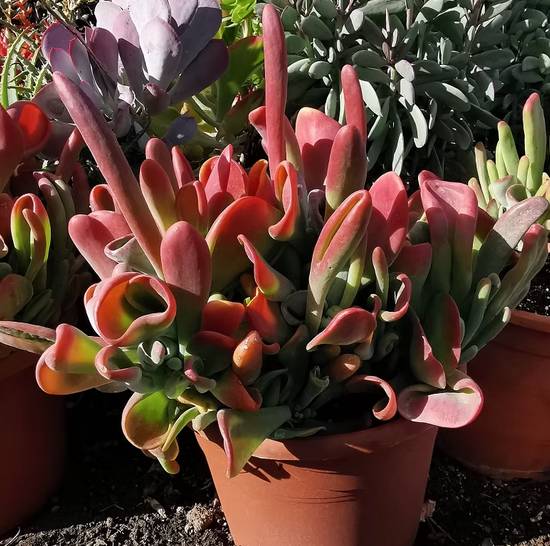
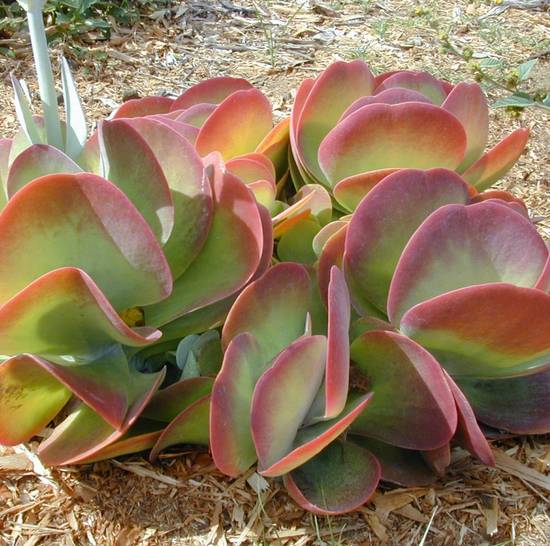
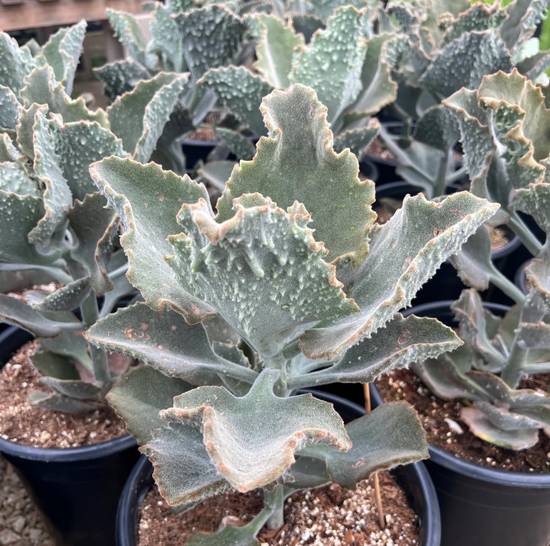
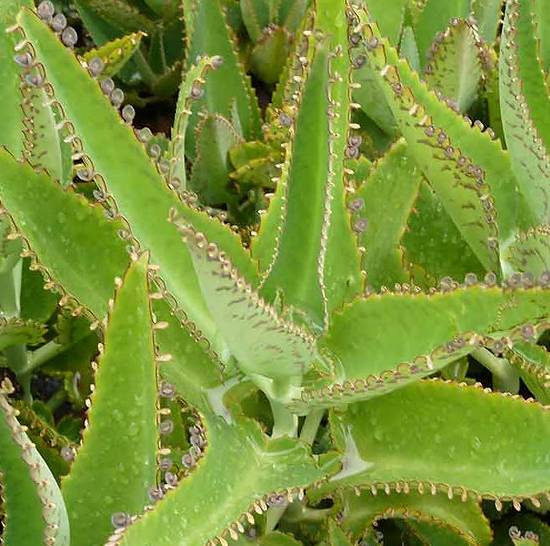
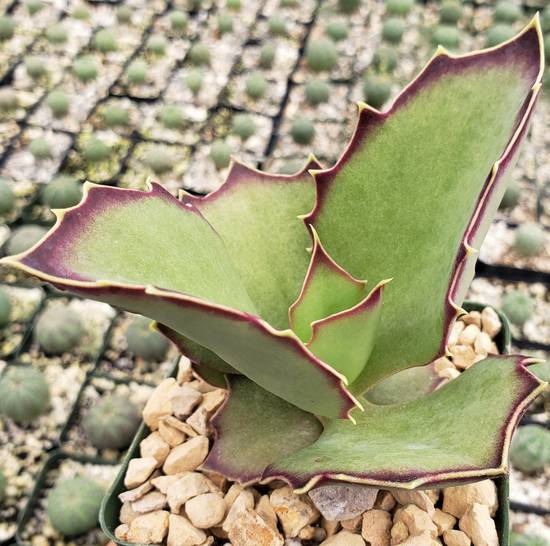
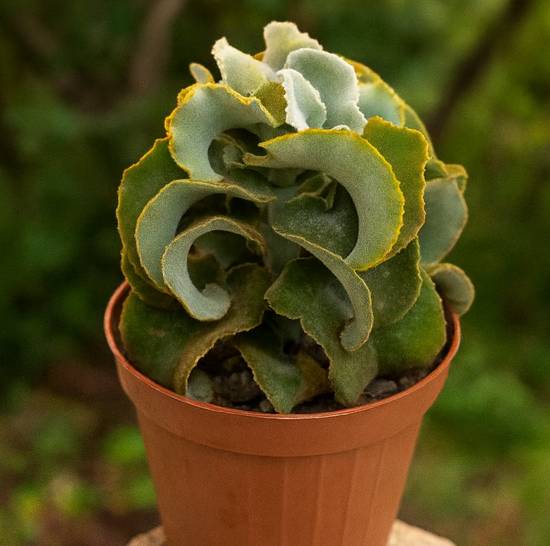
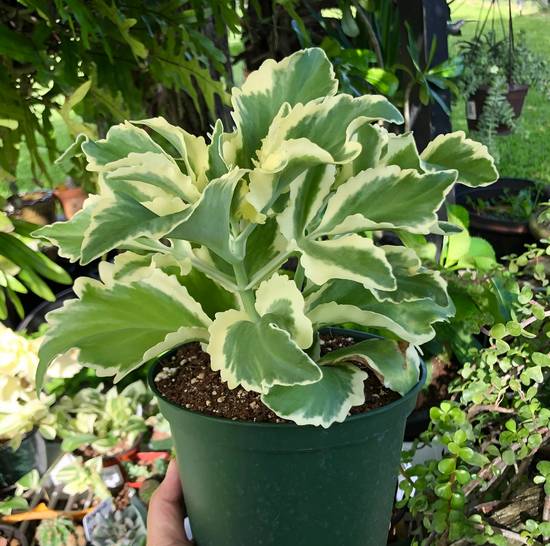
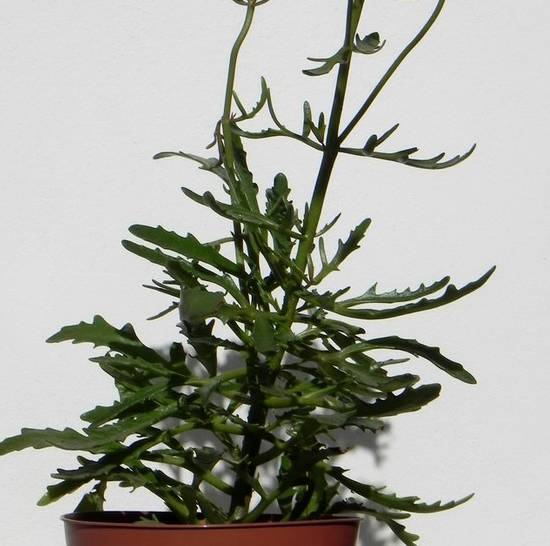
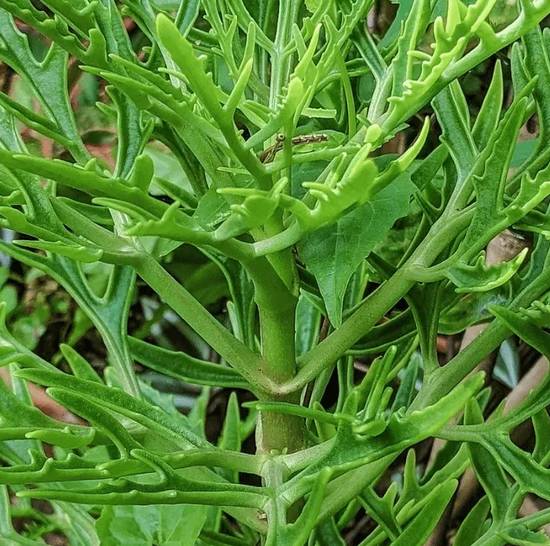
The Kalanchoë Laciniata is a fascinating succulent plant, renowned for its finely cut foliage and its tousled silhouette that leaves no one indifferent. Unlike many Kalanchoës with entire leaves, this species features deep and irregular lobes, reminiscent of plant corals or thick ferns. Its habit is both upright and branched, quickly forming a dense and decorative clump. The fleshy stems, light green to bluish green, are sometimes tinged with red depending on exposure, while the leaves are soft to the touch and sometimes slightly translucent.

A vigorous plant, Kalanchoë Laciniata can reach up to 40 cm in height in a pot, with an equivalent width. Its rapid growth and ease of care make it a highly appreciated species in succulent collections, both indoors and in sheltered outdoor spaces. It is also used for its medicinal properties in certain regions of Africa and Asia, although it remains above all an ornamental plant.

The Kalanchoë Laciniata naturally grows in semi-arid regions of tropical Africa, South Asia, and even as far as India. It colonizes rocky terrains, sandy embankments, and sunny areas where water is scarce but heat is abundant. In nature, it often grows in disorderly bushes, taking advantage of the slightest rainfall to regenerate. It is a pioneer plant, adapted to poor soils, thriving where other species fail.
Kalanchoë Laciniata loves light and needs good sunlight to maintain its compact habit and coloration:

🌞 Direct sun : 4 to 6 hours per day, especially in the morning or late afternoon.

🌤️ Bright light : indoors, place it near a south- or west-facing window.

💡 In case of insufficient light, the stems elongate, become more fragile, and the leaves lose their sharp cut shape.
Kalanchoë Laciniata requires measured watering, well spaced, especially in winter:

🌱 Spring / summer : water every 2 weeks, making sure the substrate is dry deep down.

🍂 Autumn / winter : reduce to once a month, or even less if the plant is in a cool room.

Tip : Excess water is the main mistake. It is better to underwater than to drown the roots, especially during the dormant period.
Kalanchoë Laciniata is a cold-sensitive plant that appreciates warm and dry climates:

🌡️ Ideal temperature : between 20°C and 30°C.

❄️ Minimum threshold : tolerance down to 8°C, but never frost.

🏠 In winter, bring it indoors into a bright room, away from poorly insulated windows or sources of humidity.
Kalanchoë Laciniata needs perfectly draining soil to avoid any risk of rot:

🪨 Use a succulent substrate enriched with 30 to 50% perlite or pozzolana. A pot with drainage holes is essential for water evacuation.
Kalanchoë Laciniata can offer discreet but elegant flowering:

🌸 Season : in spring or sometimes at the end of winter.

🎨 Flowers : small tubular bright yellow to orange-yellow flowers grouped in terminal inflorescences.

🕑 Duration : a few weeks.

💡 This flowering is not systematic. It appears on well-exposed adult specimens, often after a dry resting period.
FAQ - Kalanchoë Laciniata

What light is best for Kalanchoë Laciniata?
It thrives in bright light. Place it in full sun or behind a well-exposed window to strengthen its cut leaves and color. Low light makes it leggy and fragile.
How should Kalanchoë Laciniata be watered properly?
Water only when the soil is completely dry. Too much water causes wilting and leaf drop. In summer, watering every 10 to 15 days is sufficient. In winter, drastically reduce watering.
Is Kalanchoë Laciniata cold hardy?
No, this tropical plant is sensitive to cold. Bring it indoors once temperatures drop below 10°C, as it does not tolerate frost.
What substrate is recommended for Kalanchoë Laciniata?
A succulent substrate enriched with perlite or pumice ensures good drainage and helps prevent root diseases.
Can Kalanchoë Laciniata be grown outdoors?
Yes, provided it is sheltered from rain and cold. It enjoys sunny balconies in summer but must be brought indoors in autumn.
How can I encourage Kalanchoë Laciniata to bloom?
A dry winter rest period combined with bright light encourages flowering in spring. Avoid excess fertilizer, which promotes foliage instead of blooms.
Is Kalanchoë Laciniata toxic?
Yes, like most Kalanchoes, it contains compounds that may be toxic to pets. Prevent ingestion by children or animals.
How can Kalanchoë Laciniata be propagated?
By stem or leaf cuttings. Let the cut dry for 2 to 3 days before planting in dry substrate. Roots form within a few weeks.
Should Kalanchoë Laciniata be pruned?
Yes, light pruning helps maintain a compact shape and prevents stems from becoming too long or bare. It also encourages new shoots.
How can I tell if my Kalanchoë Laciniata is overwatered or underwatered?
Soft leaves, blackened stems, and rapid leaf drop indicate overwatering. If leaves shrivel and dry, the plant likely lacks water. Always check substrate moisture before watering.