Kalanchoë Luciae
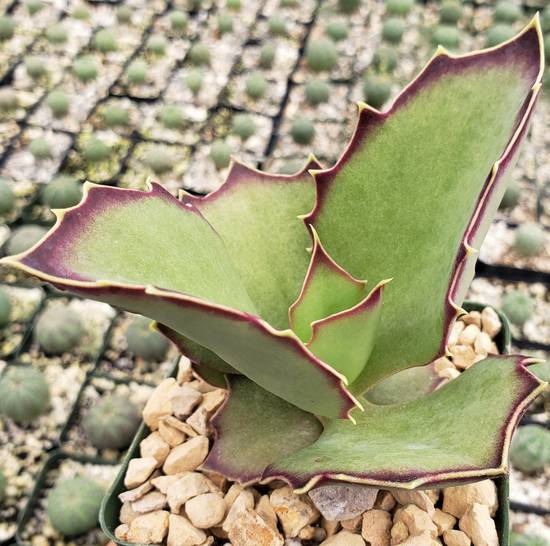
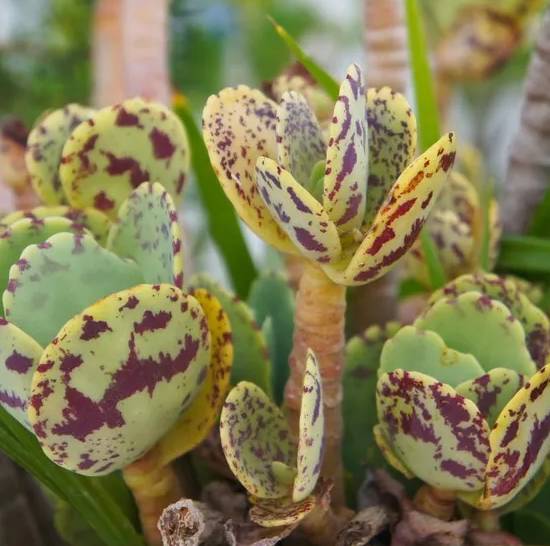
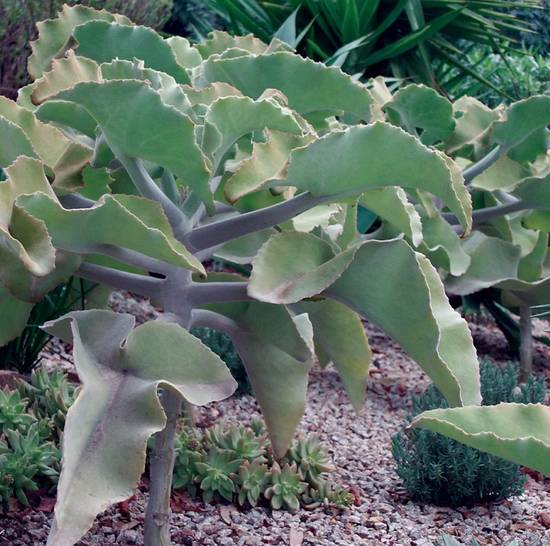
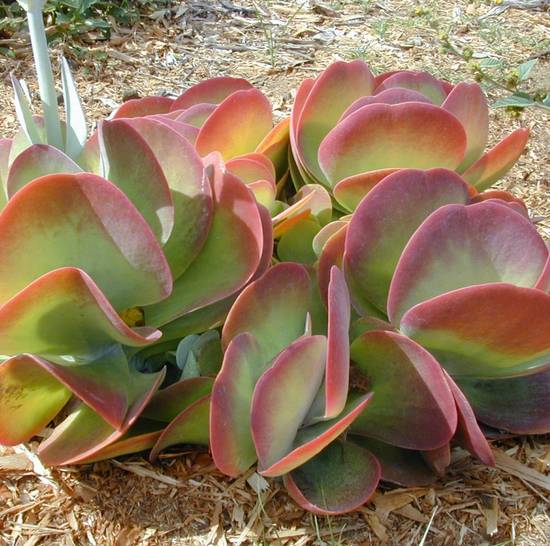
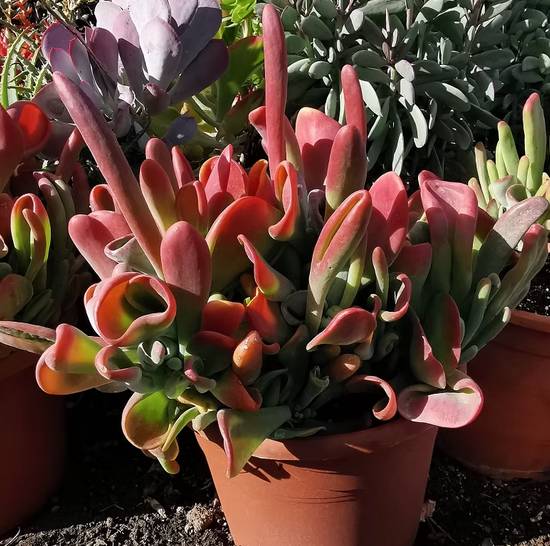
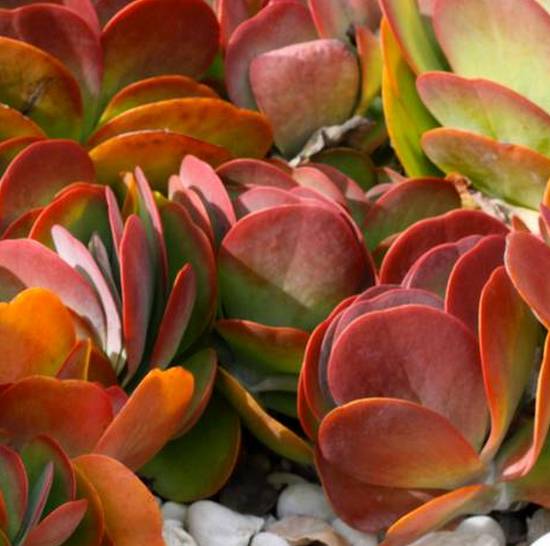
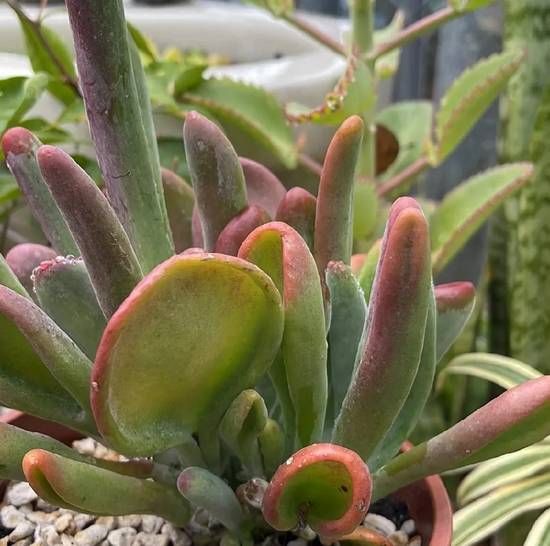
The Kalanchoë Luciae is one of the most recognizable and graphic succulents in the plant world. Sometimes nicknamed “paddle plant” or “flapjack succulent”, this species native to South Africa is distinguished by its large spatula-shaped leaves arranged in a flattened rosette, which develop a magnificent bright red tint along the edges in full sun. The contrast between the bluish-green center and the purple-red tips creates a true living work of art.
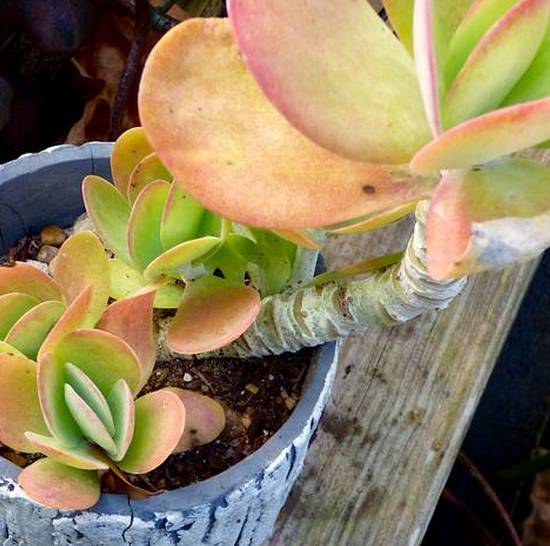
The plant develops a basal rosette habit, often solitary, with very few visible stems. The fleshy leaves, covered with a fine white bloom, can reach 15 to 20 cm in length. As it grows, the plant may form an elongated central stem during flowering, marking the end of the main rosette’s cycle. Fortunately, Kalanchoë Luciae generally produces numerous offsets at its base, ensuring its longevity.
🌞 Full sun : ideal to enhance the red coloration along the leaf edges. Place it outdoors or behind a well-exposed window.
🌤️ Bright indoor light : minimum 4 to 6 hours of light per day.
💡 Insufficient light causes soft growth, loss of color, and leaves that spread irregularly.
🌱 Spring / summer : water every 10 to 15 days, only when the substrate is dry.
🍂 Autumn / winter : reduce to watering once a month at most.
⚡ Warning : avoid wetting the center of the rosette, especially in winter. Excess moisture can cause wilting or rapid rot.
🌡️ Optimal temperature : between 20°C and 30°C.
❄️ Minimum tolerated : down to 5°C occasionally, but it is recommended to bring it indoors at 10°C.
🏠 In winter, place it in a bright and cool room, without excessive watering.
🪨 Prepare a mixture composed of a special succulent substrate to which you add 50% perlite or pozzolana. This light and mineral mix prevents any water stagnation.
🌸 Season : late winter to early spring.
🎨 Color : tubular flowers, cream-white to yellowish, carried in panicles on a flower stalk.
🕑 Duration : a few weeks.
💡 The main rosette dies after flowering, but it gives way to numerous offsets that ensure the plant’s continuity.