Kalanchoë Thyrsiflora
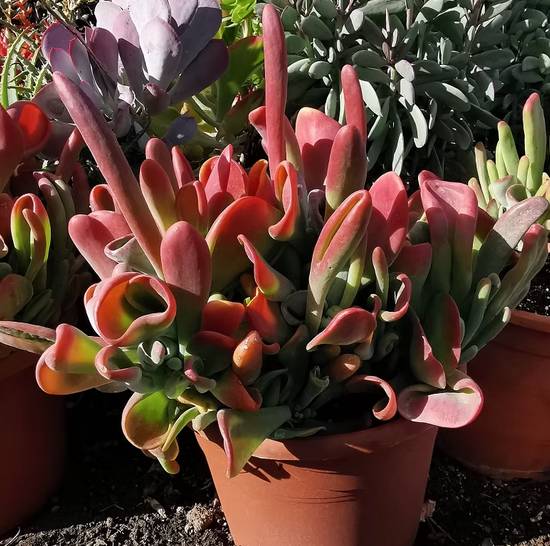
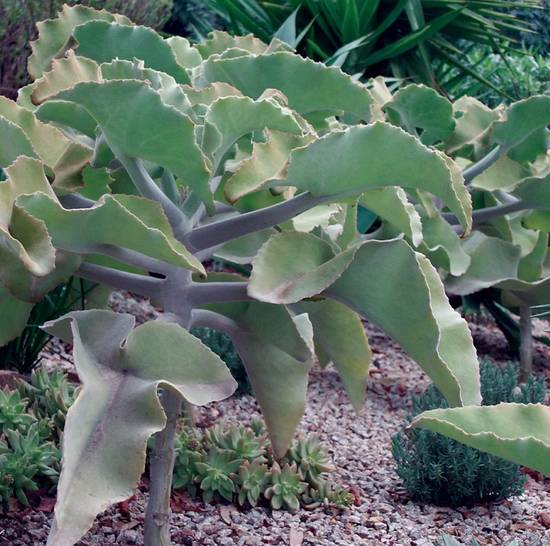
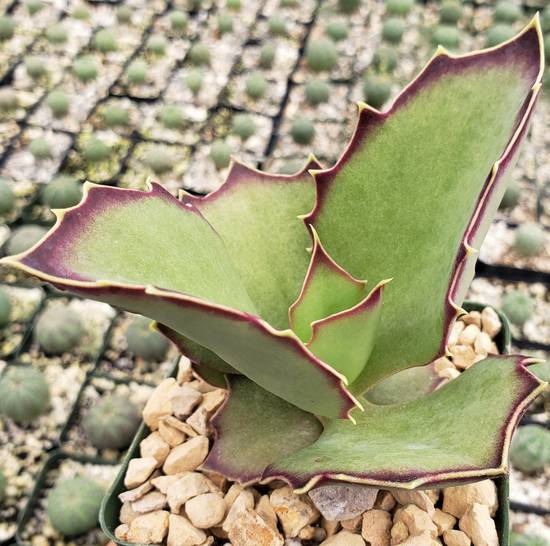
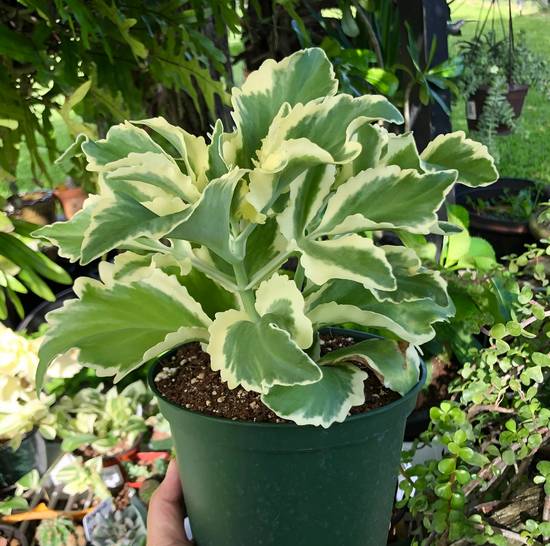
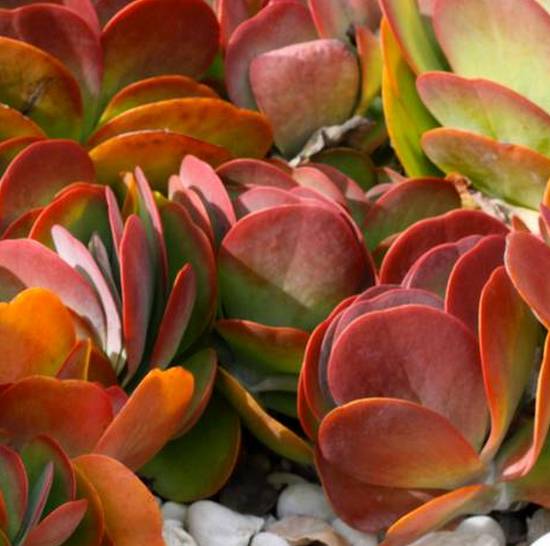
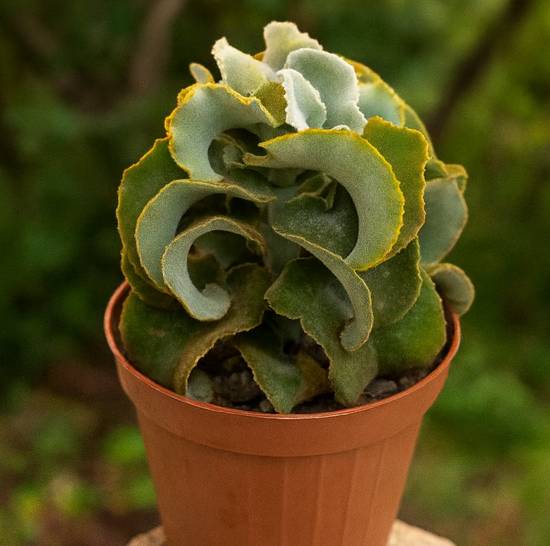
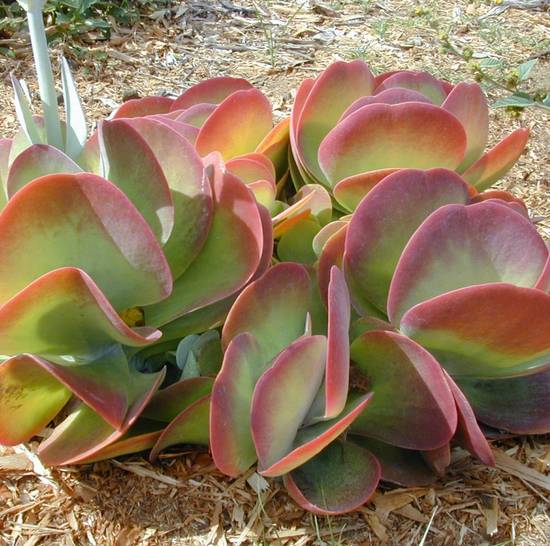
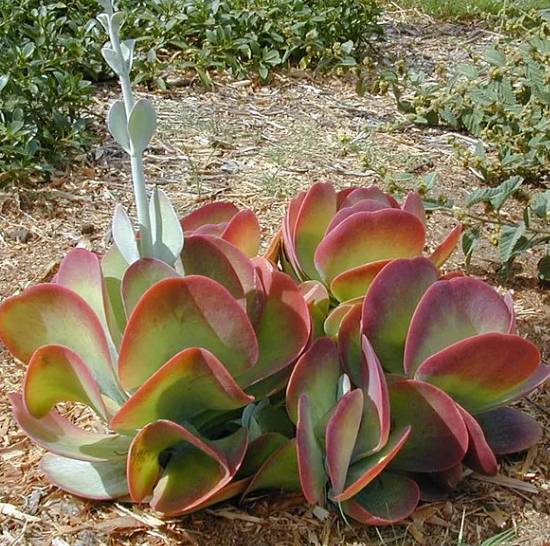
The Kalanchoë Thyrsiflora is a very popular ornamental succulent for its architectural foliage and evolving colors. This plant forms a dense rosette of fleshy, rounded and flat leaves arranged in a fan shape. Its particularity lies in its leaf edges, which turn red to orange-red under bright light, contrasting with the pale green or bluish-gray center. Compact, geometric and highly decorative, this species is often confused with its close cousin, the Kalanchoë Luciae, but differs by its faster flowering, slightly thicker and less spreading leaves, as well as more discreet coloration.
In pots, Kalanchoë Thyrsiflora maintains a compact shape, not exceeding 20 to 30 cm in height. Its round and flattened silhouette resembles a stylized flower or a plant palette, making it a plant of choice for bright interiors, verandas or dry rock gardens. Undemanding and extremely drought-resistant, it adapts to a wide range of growing conditions, as long as its fundamental need is respected: perfectly draining soil.
🌞 Direct light : Place the plant in the sun or behind a very bright window to enhance the red shades on the edges.
🌤️ In summer : Protect it from scorching midday sun. Light shade at those hours may be beneficial.
💡 In insufficient light, leaves spread, become green and soft, and the rosette loses its structure.
🌱 Spring / summer : water every 15 days, only when the substrate is completely dry.
🍂 Autumn / winter : water minimally. Once a month is enough, or even less if the plant is resting.
⚠️ Excess water quickly causes wilting of the rosette center and rot, often irreversible.
🌡️ Ideal temperature : between 18°C and 28°C.
❄️ Minimum threshold : 5°C. Below that, it must be protected or brought indoors.
🏡 Indoors, place it in a bright room away from excessive humidity sources.
🪨 Use a cactus substrate mixed with 50% perlite or pozzolana. Avoid rich, compact soils that retain too much moisture.
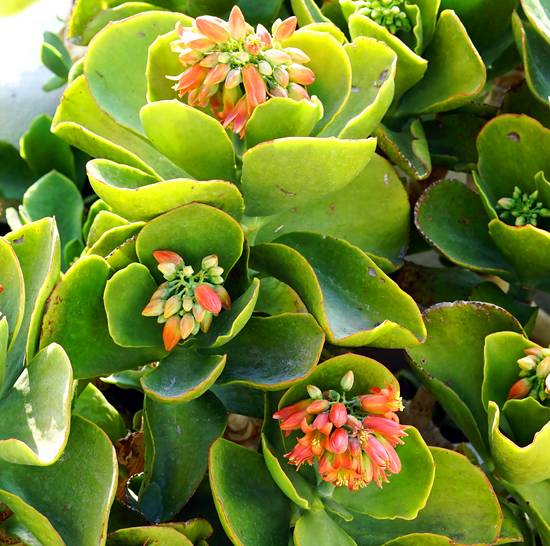
🌸 Season : often in late winter or early spring.
🎨 Flowers : small pale yellow tubular flowers grouped on a large central stalk that can reach 40 cm.
🕑 Duration : a few weeks, the flower stalk should then be cut.
💡 As with Luciae, the main rosette dies after flowering, but numerous offsets develop at the base.