Kalanchoë Fang

Kalanchoë Fang
Kalanchoë Fang
Kalanchoë Fang

Kalanchoë Fang

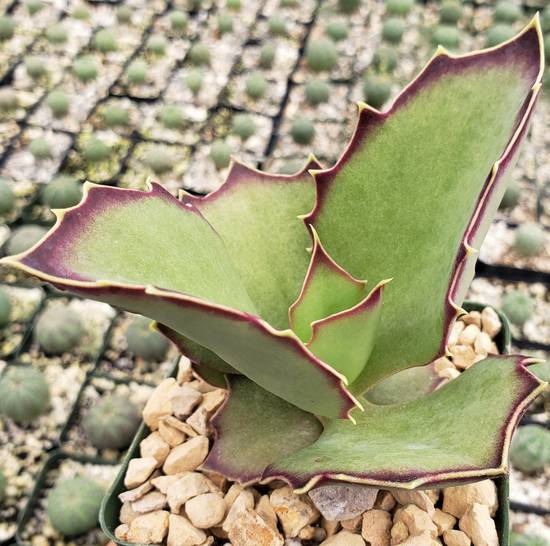
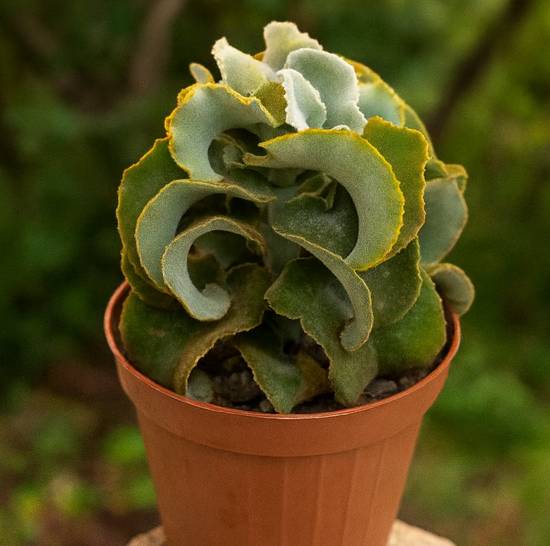
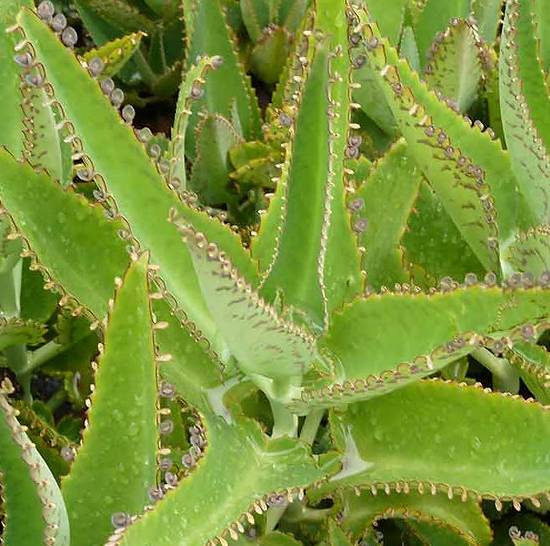
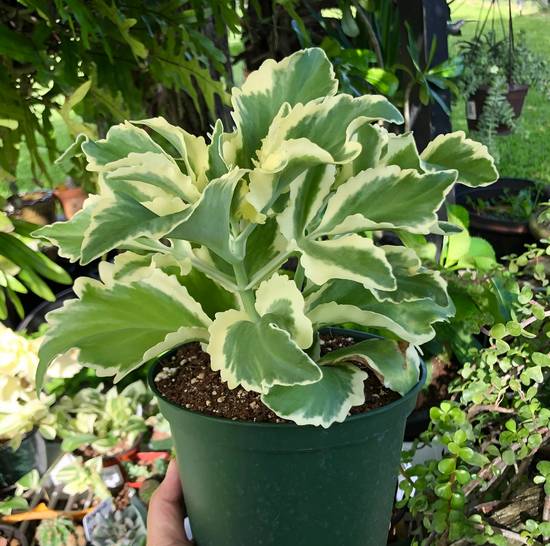
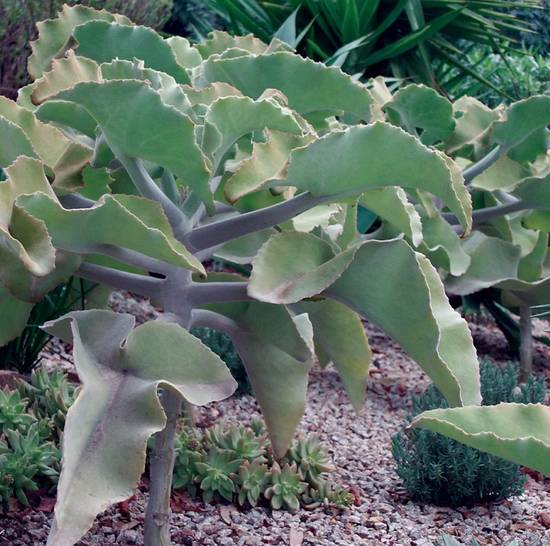
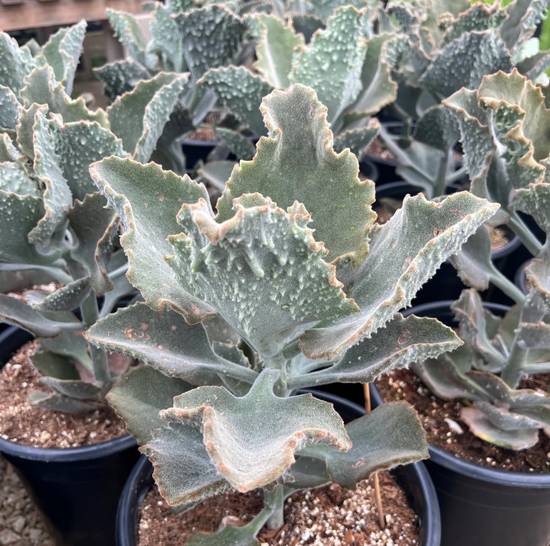
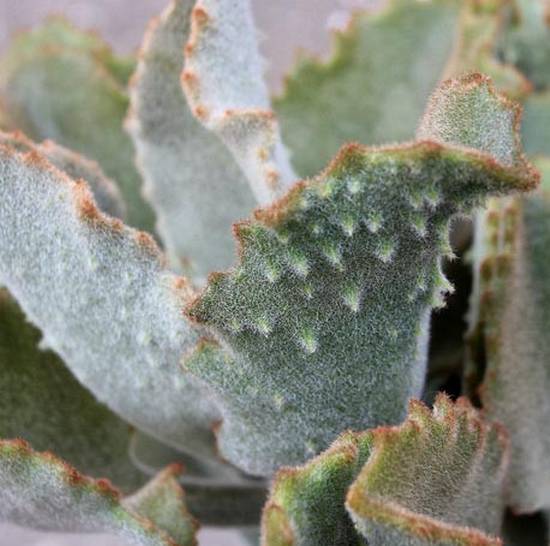
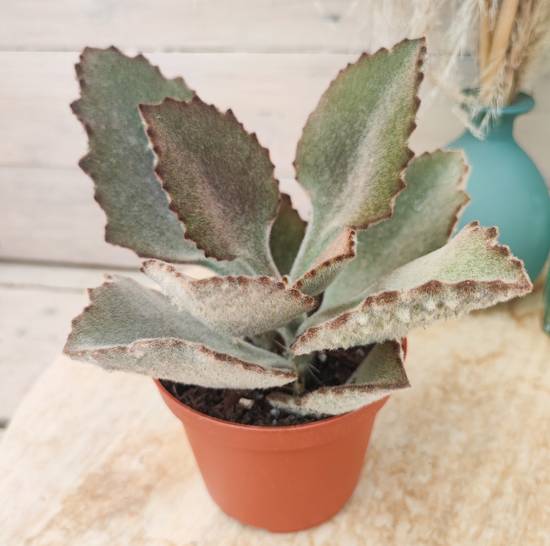
The Kalanchoë Fang is an exceptional specimen in the world of succulents, as surprising in appearance as in texture. Native to the arid regions of Madagascar, this plant immediately stands out with its unusual foliage and robust structure. Its large fleshy leaves display a grayish-green hue, sometimes slightly bluish, and are covered with a fine whitish fuzz with a velvety touch. This downy veil further enhances its mysterious charm. But it is especially the curious protrusions located on the underside of the leaves, resembling small reddish fangs, that give it its evocative nickname: “Fang”.

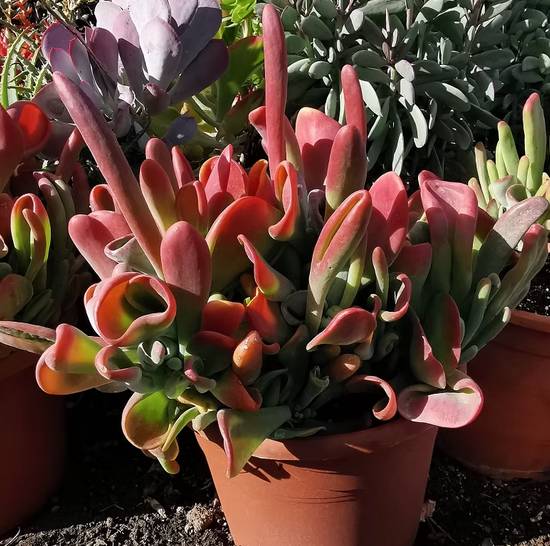
With its upright then branching habit, Kalanchoë Fang can reach between 50 and 70 cm in height, or even more with age. It then forms a compact shrub with prehistoric, almost unreal looks, as if straight out of another world. Its unique appearance makes it a plant of choice for original compositions, contemporary settings or lovers of unusual plants. It is grown both in pots indoors and outdoors in regions with mild climates, where it becomes a centerpiece of rock gardens or dry gardens.

The Kalanchoë Fang is native to the semi-arid regions of Madagascar, where it grows on rocky soils, often at altitude. Its adaptation to dry climates explains its ability to store water in its fleshy leaves and to withstand long periods without watering. This origin also gives it excellent tolerance to intense light and arid conditions.
To thrive fully, Kalanchoë Fang needs good light:

🌞 Bright light to full sun : Ideally placed near a south-facing window or outdoors once temperatures exceed 15°C.

🌤️ Avoid prolonged shade : Lack of light can cause stretching, loss of compactness and foliage discoloration.
Like all succulents, Kalanchoë Fang prefers moderate watering:

🌱 Growing period (spring-summer) : Water every 15 to 20 days, once the substrate is completely dry.

🍂 Winter : Drastically reduce watering, or stop completely if the plant is kept cool.

⚠️ Warning : Excess water is the main danger for this plant; it can cause irreversible rot.
Kalanchoë Fang is sensitive to cold:

🌡️ Ideal temperature : Between 18°C and 25°C.

❄️ Minimum : Never expose below 5°C. Bring indoors as soon as nights become cooler.
Very well-draining soil is essential for the well-being of Kalanchoë Fang.

🪨 Mix a cactus substrate in equal parts with perlite or pozzolana. This mixture efficiently aerates the roots and prevents excess moisture.
Although discreet, the flowering of Kalanchoë Fang can be surprising:

🌸 Period : Often in winter, when days become shorter.

🎨 Colors : Red to orange tubular flowers in upright panicles.

🌿 Note : Abundant flowering requires a mature plant, well exposed to light, with slight water stress in autumn.
FAQ - Kalanchoë Fang

How should Kalanchoë Fang be cared for indoors?
Kalanchoë Fang thrives in bright, dry environments. Place it near a sunny window, avoid cold drafts, and water only when the substrate is completely dry. Good drainage is essential to prevent root diseases.
What substrate is recommended for Kalanchoë Fang?
A well-draining mix is essential. Combine a suitable substrate with perlite or pumice to prevent excess moisture.
How often should Kalanchoë Fang be watered?
In summer, water every 2 to 3 weeks once the substrate is dry. In winter, greatly reduce or stop watering if the plant is dormant. Excess water is more dangerous than drought.
Can Kalanchoë Fang bloom in a pot?
Yes, but flowering is rare and requires a well-developed plant. Flowers appear in winter on upright stalks and display red or orange tones.
Should Kalanchoë Fang be fertilized?
Light fertilization in spring can encourage growth. Use a diluted appropriate fertilizer once a month during the growing season.
What is the minimum temperature tolerated by Kalanchoë Fang?
This plant does not tolerate temperatures below 5°C. It is recommended to bring it indoors in autumn to avoid temperature shock.
Where should Kalanchoë Fang be placed in summer?
Place it outdoors in a bright spot protected from rain. A south or southeast exposure is ideal. Avoid harsh direct sun during extreme heat.
Does Kalanchoë Fang tolerate drafts?
No, it is best kept in a stable location away from cold drafts, which may cause leaf spots or slow growth.
How can I tell if my Kalanchoë Fang is overwatered or underwatered?
If the leaves become soft and translucent, it is usually overwatering. If they wrinkle and fold inward, the plant is thirsty. Always wait until the soil is dry before watering.
Can Kalanchoë Fang be propagated easily?
Yes, leaf or stem cuttings are possible. Let the cut callous for a few days, then plant in slightly moist, well-draining substrate.