Kalanchoë Synsepala

Kalanchoë Synsepala
Kalanchoë Synsepala
Kalanchoë Synsepala

Kalanchoë Synsepala

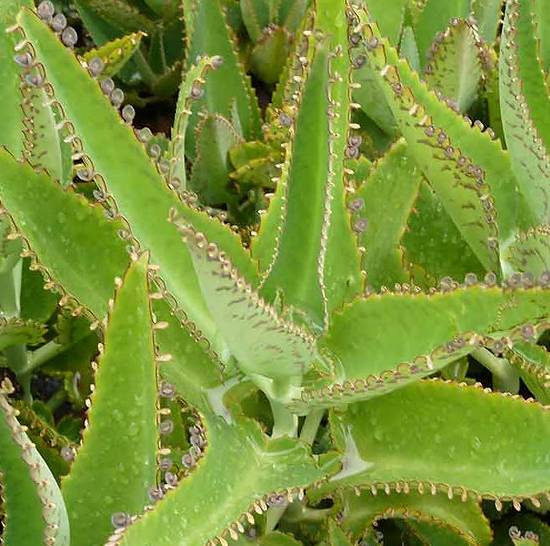
The Kalanchoë Synsepala is a surprising succulent, both for its robustness and its original appearance. Also known as the “mother plant”, this species is famous for its ability to produce stolons — long creeping stems that develop new rosettes at their ends capable of rooting on their own. This vegetative reproduction strategy makes Kalanchoë Synsepala an almost autonomous plant, multiplying easily and quickly giving rise to a colony of young specimens around the mother plant.

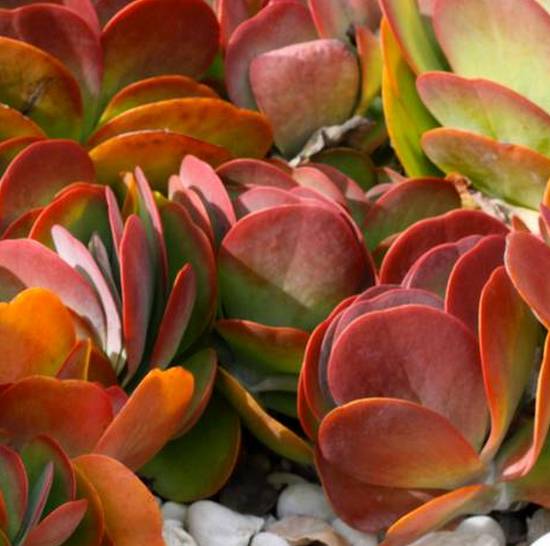
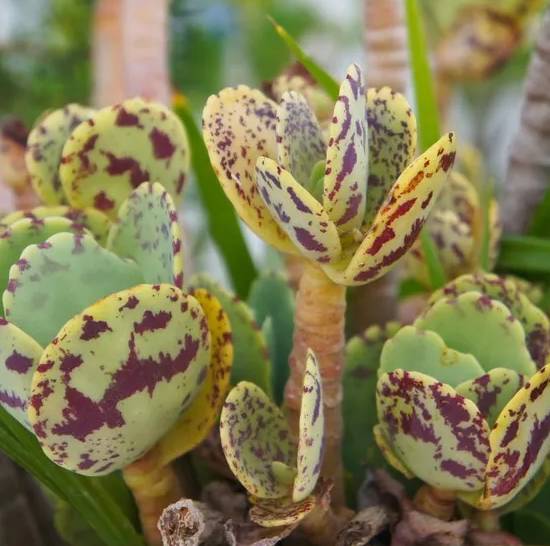
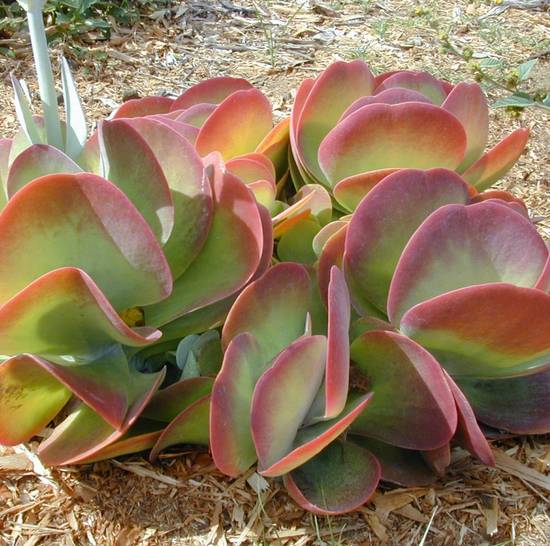
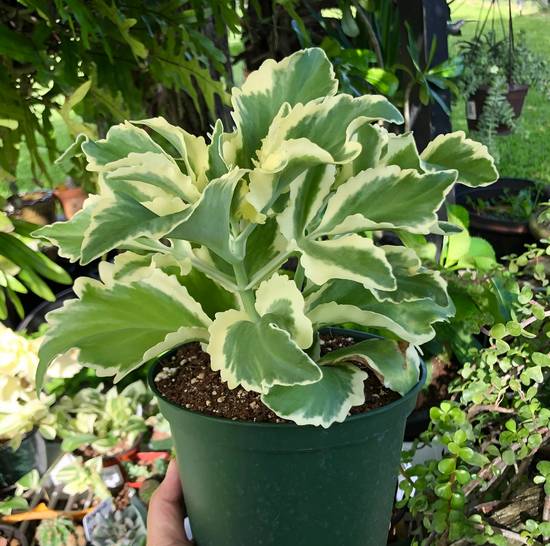
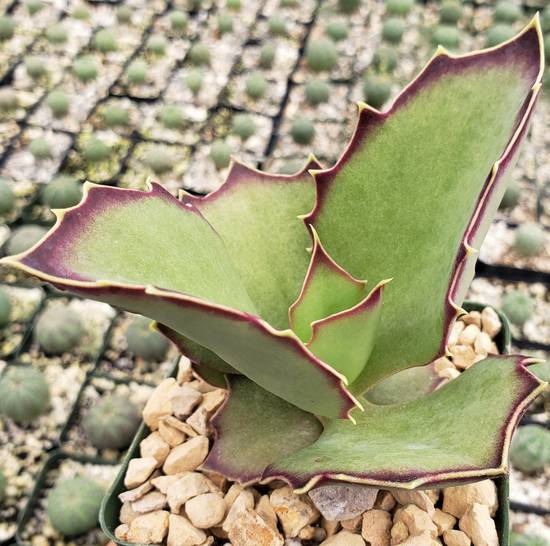
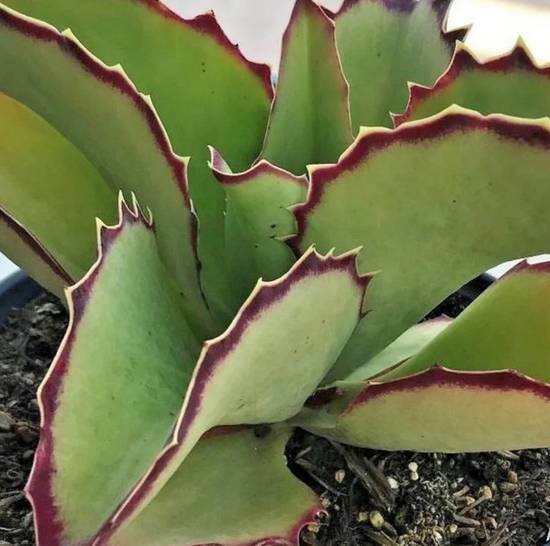
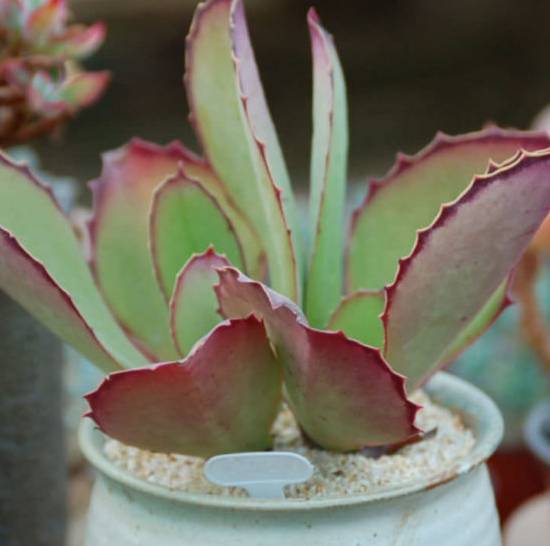
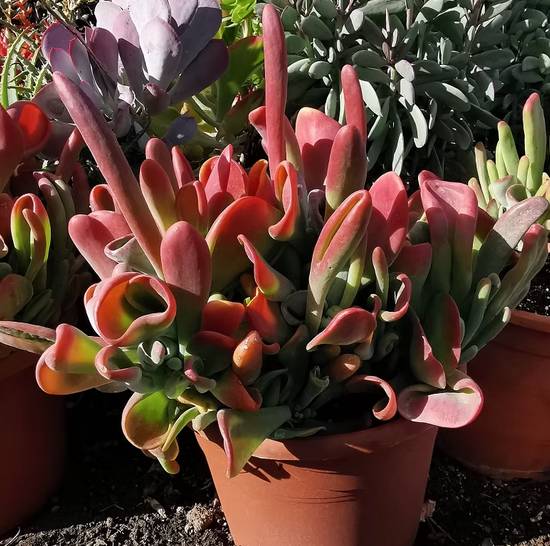
Its rosette of thick and fleshy leaves is light green, often adorned with reddish margins, forming a particularly decorative graphic base. The leaves can reach 10 to 15 cm in length and are slightly arched, with wavy or sometimes slightly toothed edges. This plant has the advantage of remaining relatively compact, while displaying a lively and evolving structure over the months. With proper lighting, its green shades blend with beautiful purplish or bronze reflections along the edges.

The Kalanchoë Synsepala is native to Madagascar, an island renowned for the exceptional diversity of its endemic flora. It naturally grows in rocky and dry areas, often in partial shade under taller vegetation.
To develop well, Kalanchoë Synsepala requires good natural light:

🌞 Ideal sunlight : It enjoys bright light, with a few hours of direct sun each day, especially in the morning.

🌤️ Indoors : Place it near a south- or west-facing window to benefit from maximum light without burning.

🌿 Outdoors : It can be placed outside in summer, provided it is protected from scorching sun during the hottest hours.
Like all succulents, Kalanchoë Synsepala prefers moderate but regular watering:

💧 Growing period (spring-summer) : Water every 2 to 3 weeks, when the substrate is thoroughly dry.

❄️ Winter rest : Greatly reduce watering — once a month, or even less if the plant is kept cool indoors.

⚠️ Warning : Excess water is more dangerous than forgetting to water. Always wait until the soil is dry before watering again.
Kalanchoë Synsepala is sensitive to cold and prefers mild climates:

🌡️ Ideal : Between 18 and 25 °C during active growth.

❄️ Winter : It must never be exposed to temperatures below 5 °C. Overwinter in a bright, dry and temperate place (minimum 10 °C).
Kalanchoë Synsepala needs extremely well-draining soil to avoid any risk of rot.

🪨 Ideal preparation : A mix of cactus and succulents substrate with about 30 to 40% perlite or coarse sand to lighten the soil. You can also add some pozzolana to improve drainage and surface aesthetics.
Kalanchoë Synsepala can bloom at maturity, although this is not its main decorative asset:

🌸 Season : Generally in autumn or winter.

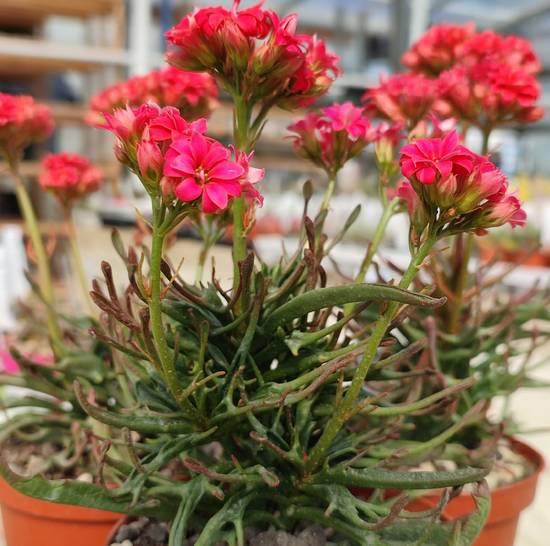
🎨 Appearance : Small tubular flowers, pink or cream, grouped in upright inflorescences.

💡 Tip : Successful flowering requires a proper cool winter rest, abundant light and dry substrate between waterings.
FAQ - Kalanchoë Synsepala

What is the best location for my Kalanchoë Synsepala?
It prefers bright light with a few hours of gentle sun. Place it near a well-exposed window or outdoors in partial shade during summer.
How should Kalanchoë Synsepala be watered properly?
Water only when the substrate is completely dry. In summer, every 15 to 20 days is sufficient. In winter, limit to once a month. Excess water may cause rot.
Is Kalanchoë Synsepala cold hardy?
No, it does not tolerate frost. Bring it indoors once temperatures drop below 10°C.
What type of substrate is suitable for Kalanchoë Synsepala?
Use a well-draining substrate with 30–40% perlite or coarse sand. Adding some pumice is also recommended.
Does Kalanchoë Synsepala bloom often?
Flowering is discreet and mainly occurs in autumn or winter. It depends heavily on light conditions and a proper winter rest.
How can I recognize overwatering or underwatering in Kalanchoë Synsepala?
Soft or translucent leaves indicate overwatering, while wrinkled leaves signal underwatering. When unsure, space out watering.
Can I easily propagate Kalanchoë Synsepala?
Yes! It naturally produces offsets via stolons. You can separate the new rosettes and replant them individually.
Can Kalanchoë Synsepala live outdoors year-round?
Only in frost-free regions. Otherwise, keep it in a pot so it can be brought indoors in autumn.
What fertilizer should I use for my Kalanchoë Synsepala?
Use a liquid cactus fertilizer every two months during the growing season.
Why is my Kalanchoë Synsepala no longer growing?
Lack of light, compacted substrate, or overwatering may slow growth. Provide abundant light and a well-draining substrate.