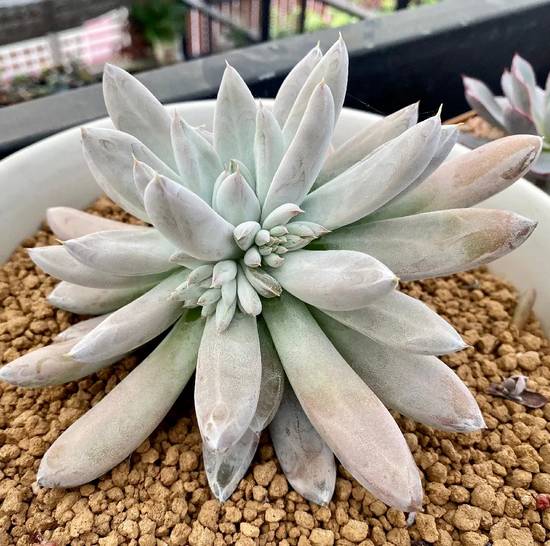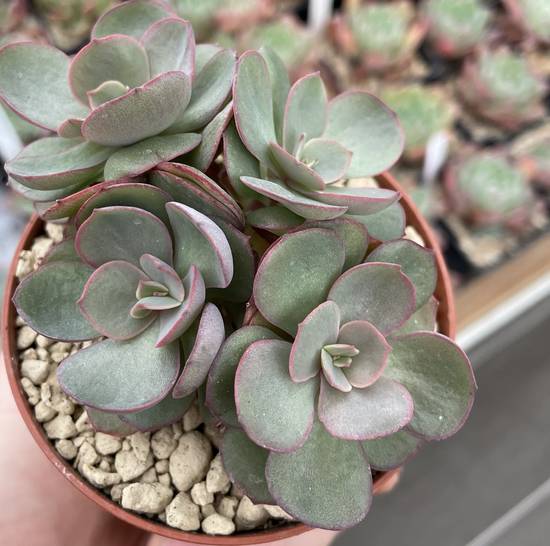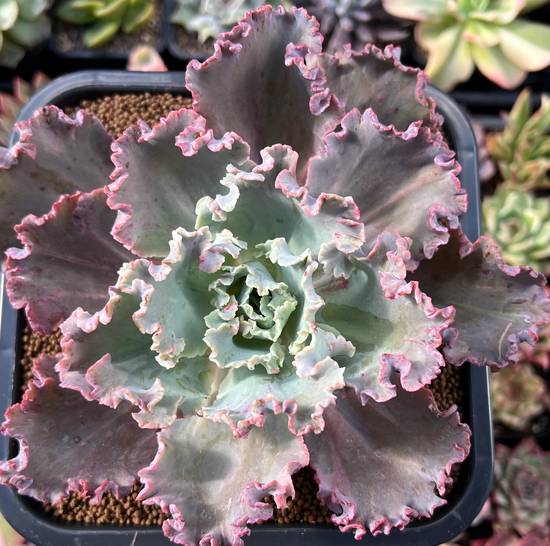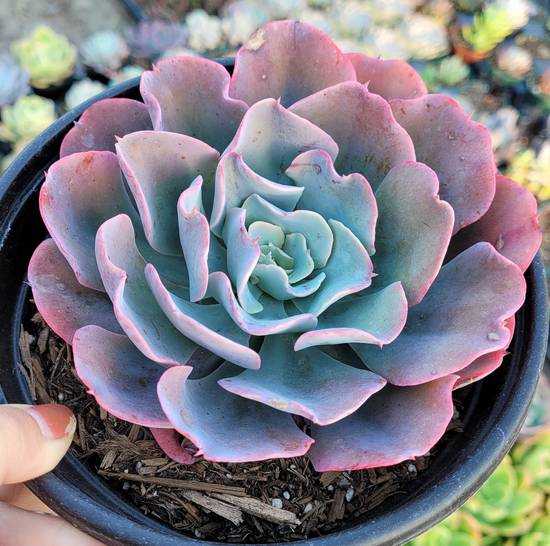
Echeveria Setosa
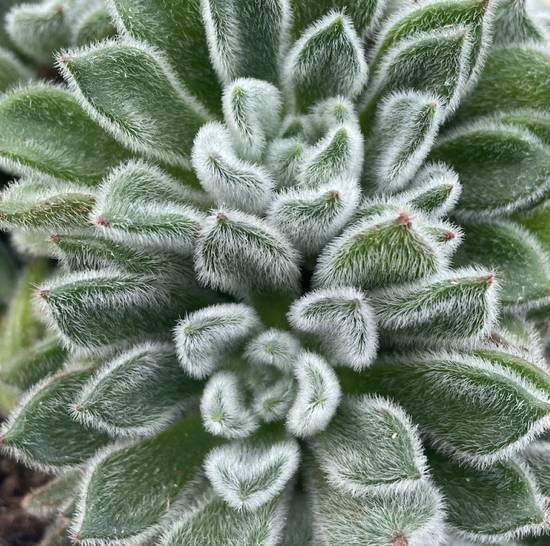
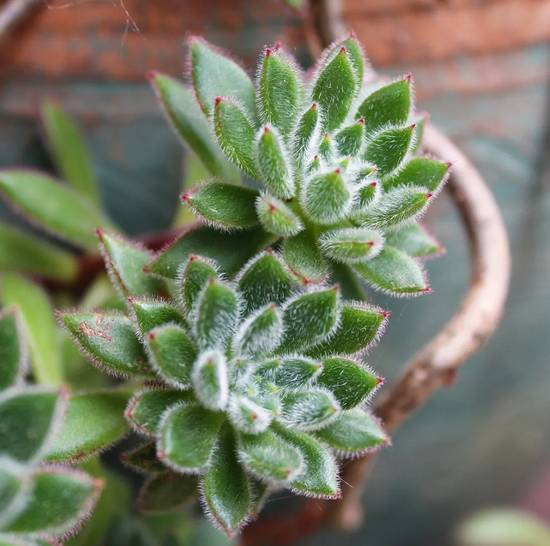
Echeveria Setosa is a succulent full of character, immediately recognizable by its foliage covered with fine white hairs. These small, soft hairs have earned it the affectionate nickname “Hedgehog Echeveria.” With its compact silhouette and unique texture, it never goes unnoticed in a collection.
This dense rosette with tender green leaves, sometimes slightly tinted red in full sun, may seem simple at first glance. And yet, every detail – from its silky fuzz to its spectacular flowering – reveals a plant that is unique, decorative, resilient and surprising.
Undemanding, Echeveria Setosa is ideal for beginners as well as experienced collectors. It grows well in pots, planters, or dry rock gardens, and its ability to form offsets makes it a generous succulent, perfect for propagation.
This adaptation allows it to survive extreme conditions while maintaining a neat and ornamental appearance.
🌞 Ideal exposure: Bright light to direct sun 4 to 6 hours per day.
🌤️ Protection: In summer, avoid scorching midday sun, especially if the plant is young or newly repotted.
☁️ Indoors: Place it near a south- or west-facing window to prevent etiolation.
🌱 Spring / Summer: Water only when the substrate is completely dry. Generally every 2 to 3 weeks.
🍂 Autumn / Winter: Greatly space out, or suspend watering if the plant is protected from frost.
💡 Tip: Water at the base of the pot to avoid wetting the hairy foliage, which is sensitive to stagnant moisture.
🌡️ Optimal temperature: 20 to 28°C during the growing period.
❄️ Minimum tolerance: Can withstand down to 5°C provided the substrate is completely dry.
🏠 Winter advice: Bring it into a bright room if temperatures drop below 8–10°C.
🪨 Recommended mix: succulent substrate or cactus soil mixed with perlite and pozzolana for a well-aerated structure
🌸 Period: Late spring to summer
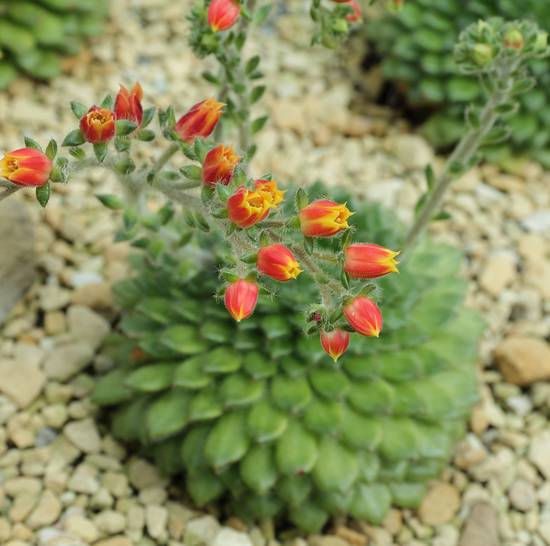
🎨 Flowers: Bright orange with yellow base, borne on long slender stalks.
🕑 Duration: Several weeks, with possible successive blooms on offsets.
✂️ Remove faded stalks to stimulate the production of new offsets.