Echeveria Lilacina
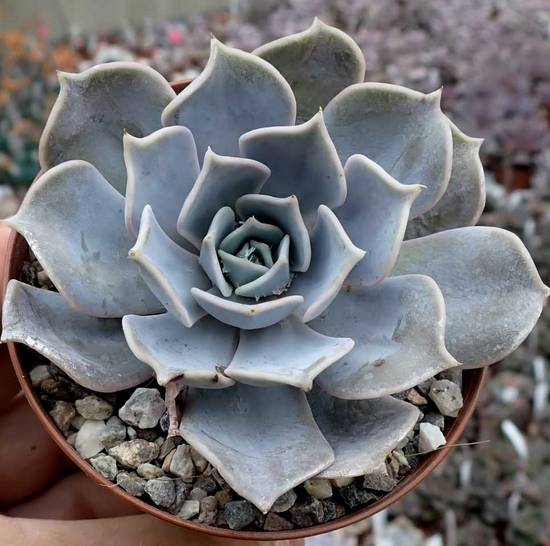
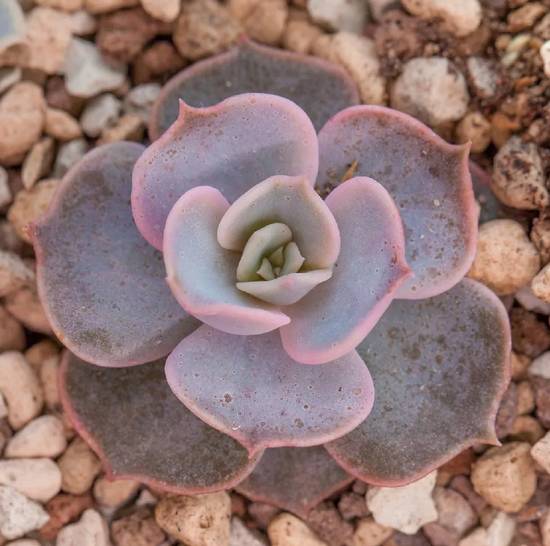
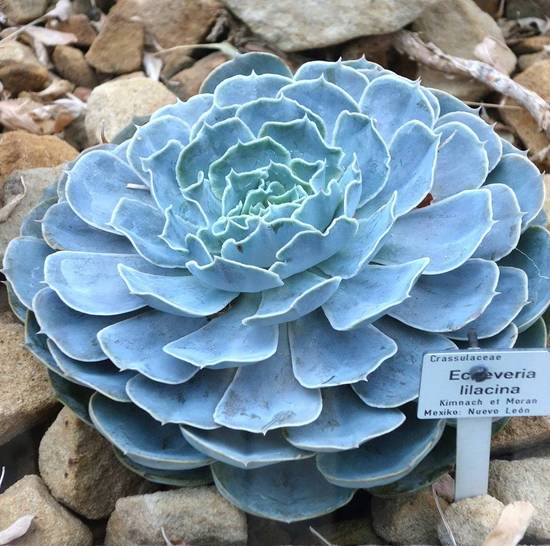
Elegant, minimalist, and luminous, Echeveria Lilacina — also known as the “Ghost Echeveria” — is one of the most prized species of the genus. With its soft silhouette and distinctive pastel hue, it stands as a true botanical jewel.
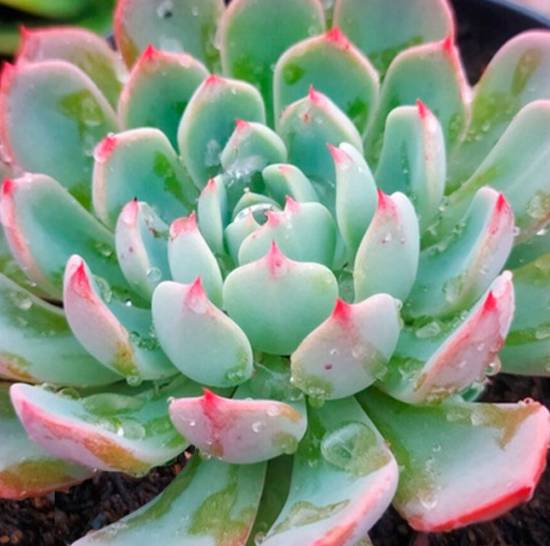
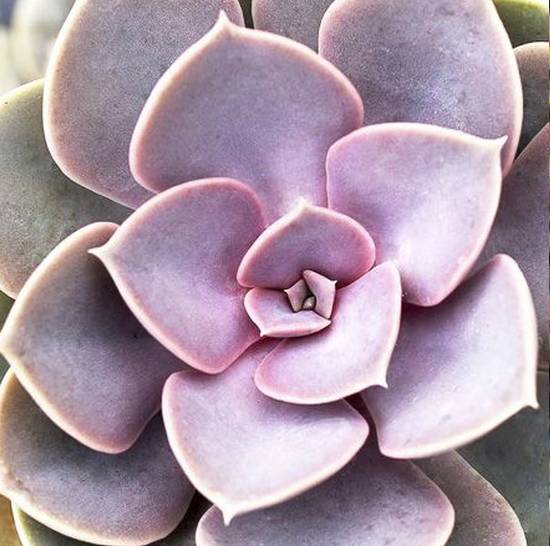
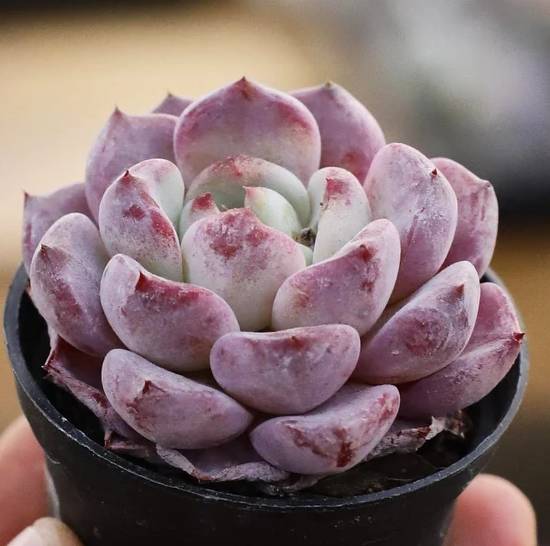
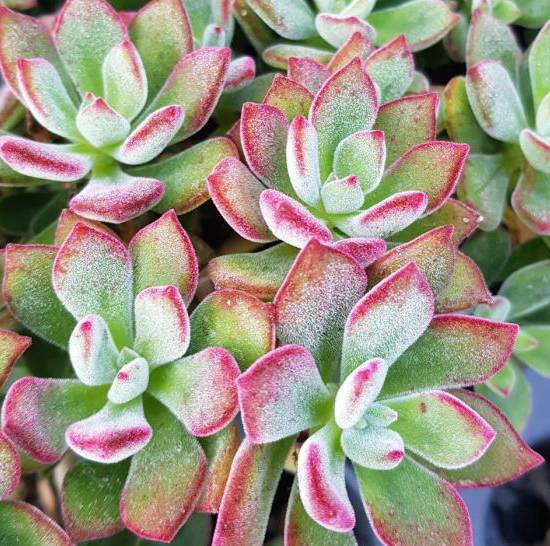
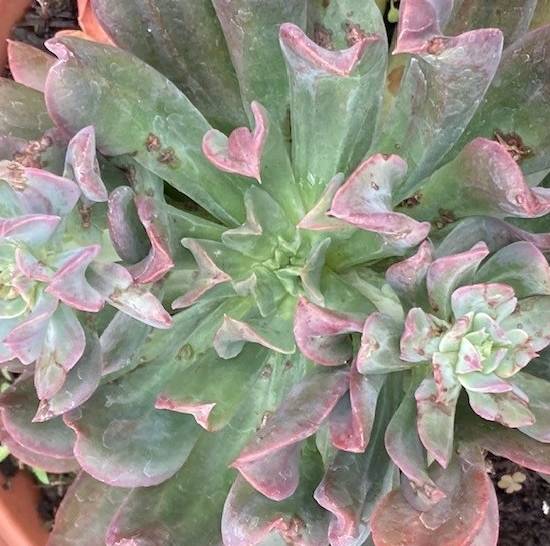
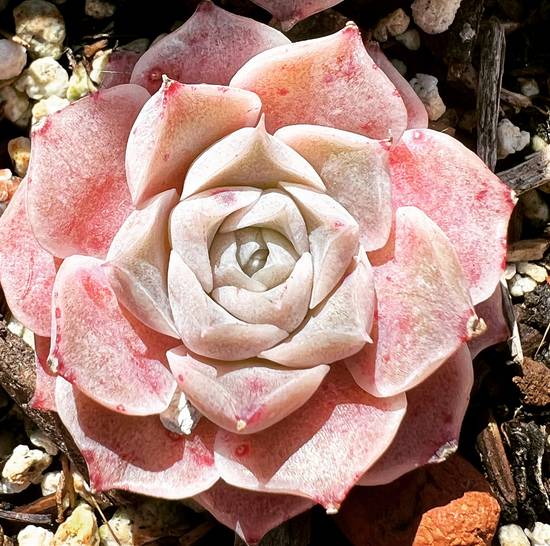
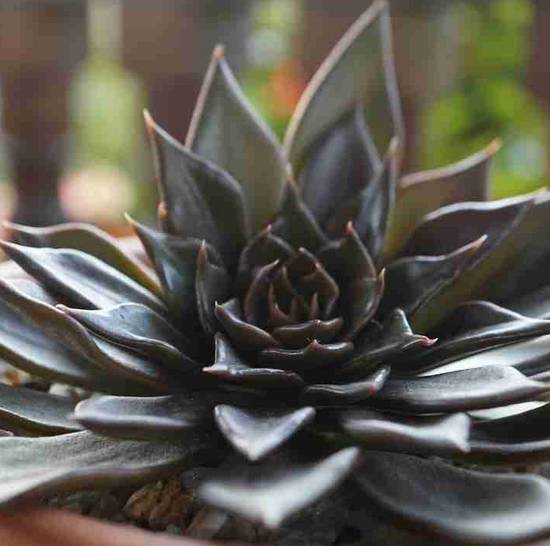
Its perfectly symmetrical rosettes extend up to 15–20 cm in diameter, and its fleshy spoon-shaped leaves display a stunning gradient from gray-lilac to silvery tones, covered with a fine powdery coating that gives it a slightly frosted appearance. In full light, it reveals subtle almost pearly nuances. Both understated and captivating, it fits perfectly in a pot on a windowsill or in a dry garden arrangement.
Echeveria Lilacina is native to semi-arid regions of Mexico, particularly in the state of Nuevo León. In its natural habitat, it grows on rocky hillsides in well-drained soils under full sun. This origin gives it excellent tolerance to heat and drought.
To reveal its full beauty, Echeveria Lilacina needs abundant light.
☀️ Outdoors: Morning sun with light afternoon shade preserves pastel tones.
🌤️ Indoors: South- or west-facing exposure strongly recommended.
🔁 Rotate weekly to prevent etiolation and ensure balanced growth.
☀️ Outdoors: Morning sun with light afternoon shade preserves pastel tones.
🌤️ Indoors: South- or west-facing exposure strongly recommended.
🔁 Rotate weekly to prevent etiolation and ensure balanced growth.
Like all succulents, it fears excess water more than drought.
🌱 Spring / Summer: Water generously only when soil is totally dry (every 2–3 weeks depending on temperature).
🍂 Autumn / Winter: Reduce drastically; every 4–6 weeks is sufficient if protected from cold.
⚠️ Never water into the rosette.
🌱 Spring / Summer: Water generously only when soil is totally dry (every 2–3 weeks depending on temperature).
🍂 Autumn / Winter: Reduce drastically; every 4–6 weeks is sufficient if protected from cold.
⚠️ Never water into the rosette.
It tolerates heat well but remains sensitive to cold.
🔥 Ideal: 20–28 °C.
❄️ Limit: 5 °C dry. Not frost hardy.
🏠 Bring indoors below 8 °C.
🔥 Ideal: 20–28 °C.
❄️ Limit: 5 °C dry. Not frost hardy.
🏠 Bring indoors below 8 °C.
🪨 Recommended mix: cactus soil + perlite + pumice for excellent drainage.
Subtle yet graceful blooming adds charm.
📆 Period: Spring to early summer.
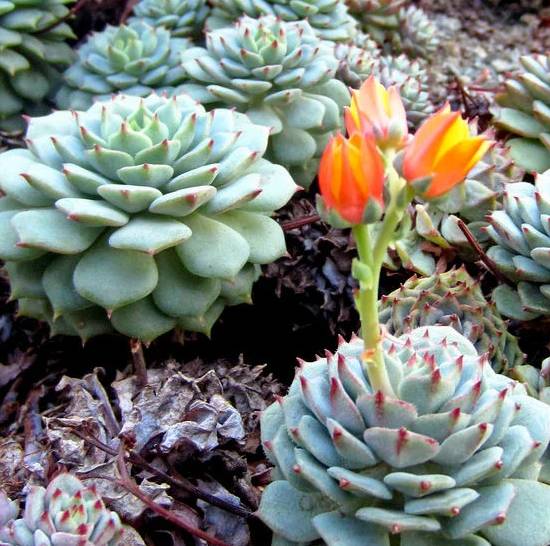
🌺 Flowers: Coral to salmon-pink bells on long arched stalks.
🐝 Melliferous and attractive to pollinators.
📆 Period: Spring to early summer.
🌺 Flowers: Coral to salmon-pink bells on long arched stalks.
🐝 Melliferous and attractive to pollinators.
FAQ - Echeveria Lilacina
Can Echeveria Lilacina be grown in an apartment?
Yes, provided it receives abundant light, ideally from a south-facing window.
What is the ideal substrate for Echeveria Lilacina?
A mix of cactus soil, perlite, and pumice is recommended.
How can rot be prevented in Echeveria Lilacina?
Always water around the edge of the pot, never into the center of the rosette.
Is Echeveria Lilacina hardy?
No, it does not tolerate frost. It should be overwintered indoors when temperatures drop.
How can Echeveria Lilacina be propagated?
By leaf or offset cuttings. Let the leaf callous before replanting.
What fertilizer should be used for Echeveria Lilacina?
A liquid fertilizer for succulents once per month during the growing season.
Is it toxic to animals?
Echeveria Lilacina is considered non-toxic to cats and dogs.
Why do the leaves shrink?
Water stress or excessive heat can cause this. Adjust watering accordingly.
Does Echeveria Lilacina bloom often?
Yes, once mature, it blooms almost every year in spring.
Should Echeveria Lilacina be pruned?
No, except to remove dead leaves or cut the flower stalk after blooming.