Echeveria Lemon Lime
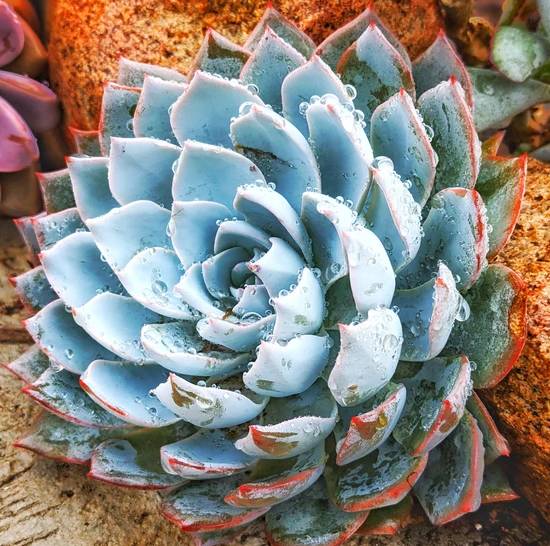
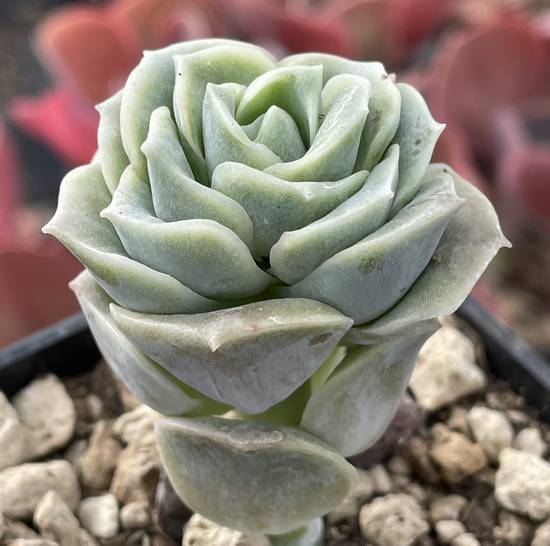
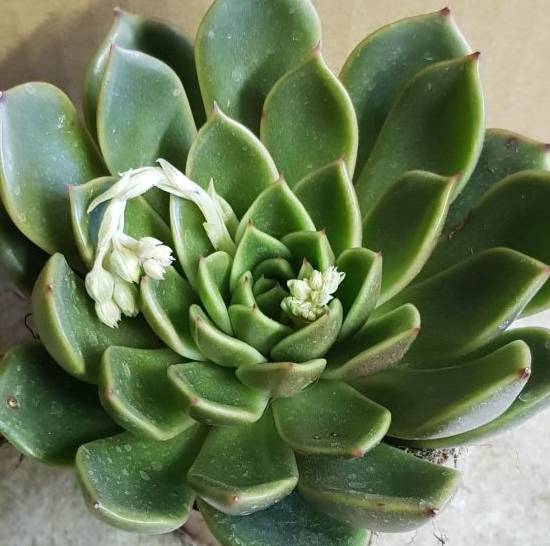
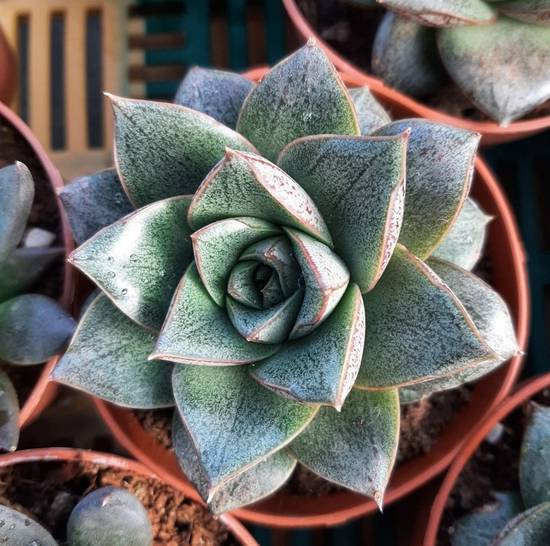
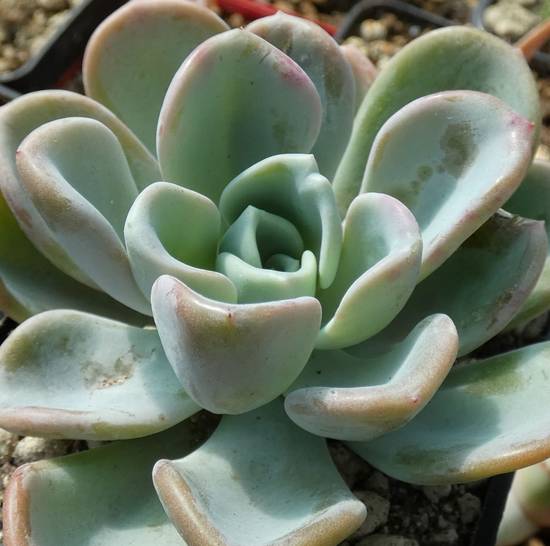
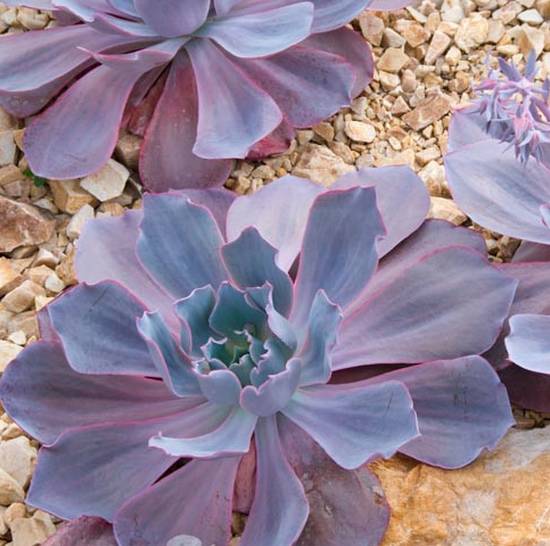
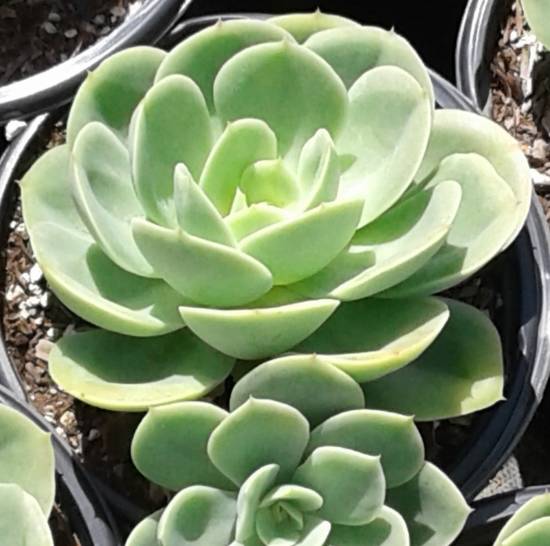
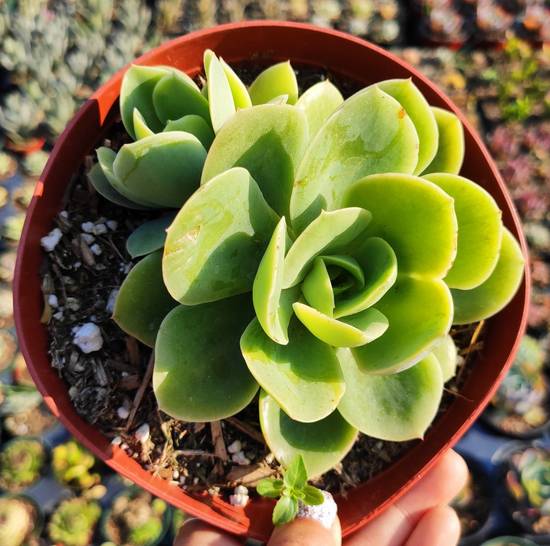
Impossible to overlook Echeveria Lemon Lime: this vibrant cultivar is a true explosion of color and freshness. With its pastel tones blending lemon green, pale yellow, and pink touches at the tips, it instantly brings brightness and an exotic feel to any collection.
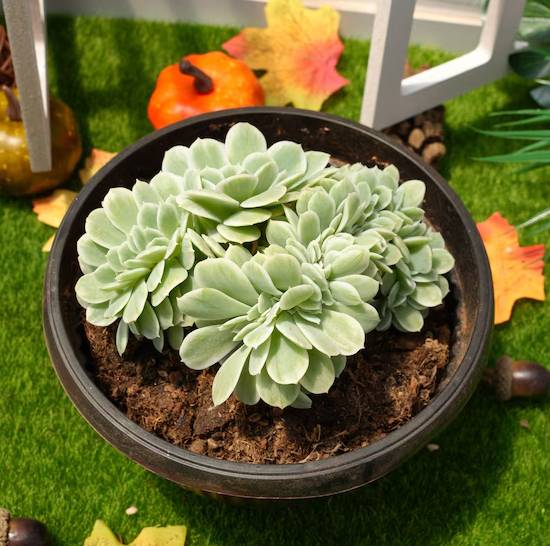
Its perfectly symmetrical rosette generally reaches 10 to 15 cm in diameter. The thick, fleshy leaves are covered with a whitish bloom that gives them a sought-after powdery look. When exposed to bright light, its colors intensify and reveal their full ornamental potential.
Echeveria Lemon Lime is ideal for decorative pots, modern arrangements, and sunny balconies. Its compact shape and subtle shades make it a charming addition to any succulent collection.
Resulting from horticultural hybridization, Echeveria Lemon Lime does not occur in nature. It belongs to a series of cultivars developed for their ornamental appeal and ease of cultivation. It is often compared to Echeveria Perle Von Nürnberg for its elegance, although it displays a more vibrant, citrus-toned coloration.
To fully express its lemon-toned colors, proper exposure is essential.
☀️ Outdoors: Gentle morning sun or bright partial shade in the afternoon. Avoid intense sun without acclimation.
🌤️ Indoors: Near a south- or west-facing window with at least 5–6 hours of natural light daily.
🔄 Tip: Rotate weekly for even growth.
☀️ Outdoors: Gentle morning sun or bright partial shade in the afternoon. Avoid intense sun without acclimation.
🌤️ Indoors: Near a south- or west-facing window with at least 5–6 hours of natural light daily.
🔄 Tip: Rotate weekly for even growth.
Like any succulent, Echeveria Lemon Lime dislikes prolonged wet roots.
🌱 Spring / Summer: Water every 10–15 days when soil is dry in depth.
🍂 Autumn / Winter: Once per month or less if temperatures are cool.
⚠️ Common mistake: Overwatering leads to soft or blackened leaves — stop watering immediately.
🌱 Spring / Summer: Water every 10–15 days when soil is dry in depth.
🍂 Autumn / Winter: Once per month or less if temperatures are cool.
⚠️ Common mistake: Overwatering leads to soft or blackened leaves — stop watering immediately.
This cultivar tolerates heat well but is sensitive to cold.
🌡️ Ideal range: 18–28 °C
❄️ Minimum tolerated: 4 °C if soil is perfectly dry
🏡 Wintering: Indoors in a bright, unheated room.
🌡️ Ideal range: 18–28 °C
❄️ Minimum tolerated: 4 °C if soil is perfectly dry
🏡 Wintering: Indoors in a bright, unheated room.
🪨 Recommended mix: 50% cactus soil + 25% perlite + 25% pumice for optimal drainage.
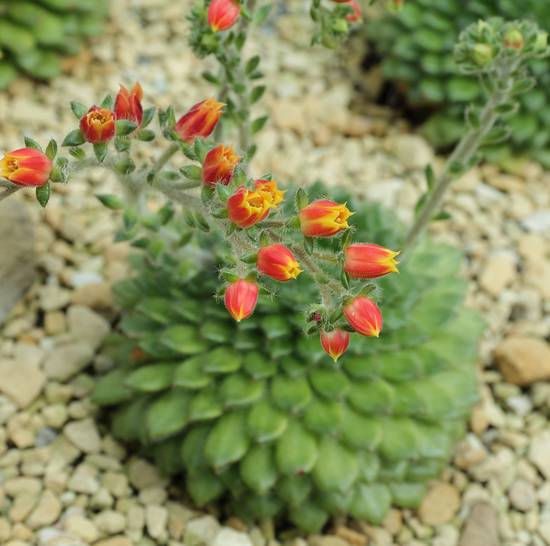
The flowering of Echeveria Lemon Lime is soft and subtle, adding lightness above the rosette.
📅 Period: Spring to early summer
🌺 Flowers: Small pale pink to light orange bells on a slender flower stalk
🐝 Bonus: Sometimes attracts small garden pollinators.
📅 Period: Spring to early summer
🌺 Flowers: Small pale pink to light orange bells on a slender flower stalk
🐝 Bonus: Sometimes attracts small garden pollinators.
FAQ - Echeveria Lemon Lime
Can Echeveria Lemon Lime live indoors?
Yes, provided it receives abundant direct light for several hours per day.
What is the best substrate for Echeveria Lemon Lime?
A mix of cactus soil, perlite, and pumice is ideal.
How often should Echeveria Lemon Lime be watered?
Every 10 to 15 days in summer, once per month in winter. Always wait until the substrate is dry.
How can I make Echeveria Lemon Lime bloom?
Provide a sunny exposure, moderate watering, and a gentle succulent fertilizer in spring.
Can Echeveria Lemon Lime be propagated?
Yes, easily by offsets or by cuttings from fleshy leaves.
Does Echeveria Lemon Lime tolerate frost?
No, it must be protected as soon as temperatures drop below 5 °C.
Why is my Echeveria Lemon Lime stretching?
It is lacking light. Move it to a brighter location.
The leaves of my Echeveria Lemon Lime are falling off, what should I do?
This may be due to excess moisture. Let the substrate dry and resume moderate watering.
Is Echeveria Lemon Lime toxic?
No, it is safe for pets.
Can Echeveria Lemon Lime be grown outdoors?
Yes, provided it is in a frost-free area or brought indoors during winter.