Cylindropuntia Whipplei
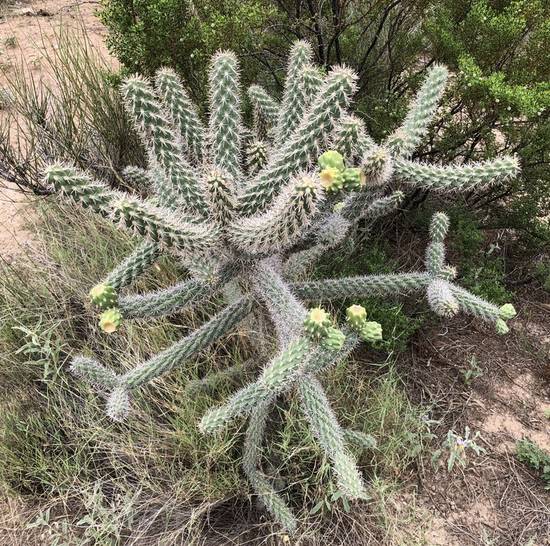
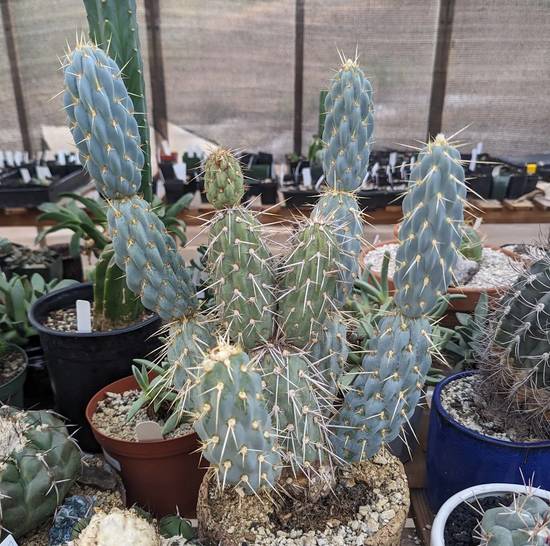
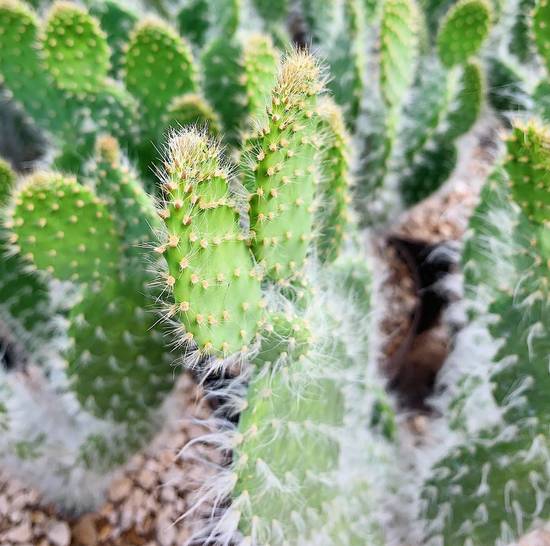
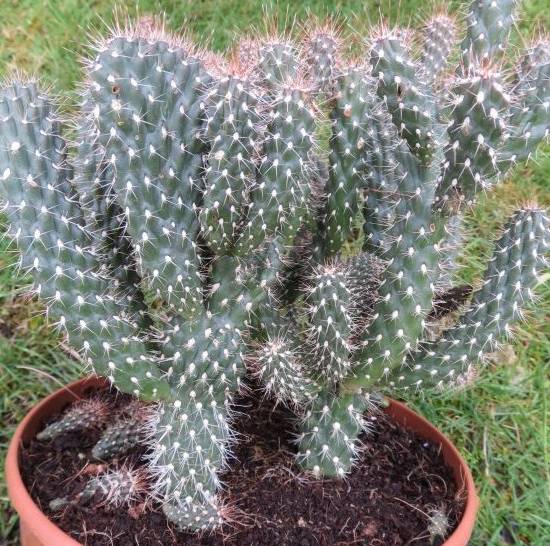
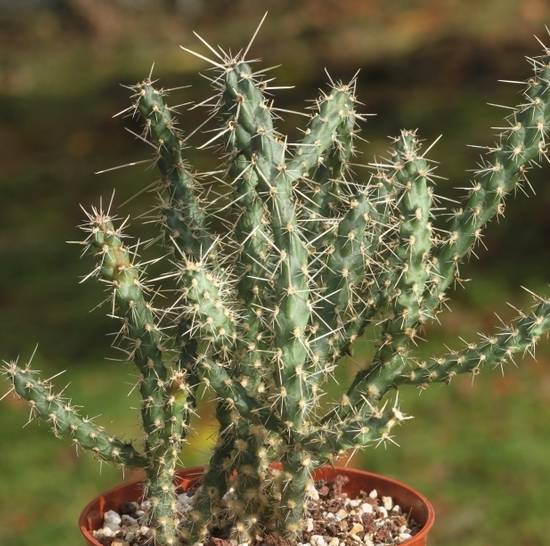
The Cylindropuntia Whipplei (often called “Whipple cholla”) forms articulated cylindrical stems that branch into dense shrubs with age. Its areoles bear sharp spines and glochids, effective defenses against herbivores while limiting evaporation through thick skin. In pots or dry gardens, Cylindropuntia Whipplei enhances mineral compositions and thrives in full sun with perfectly draining soil.
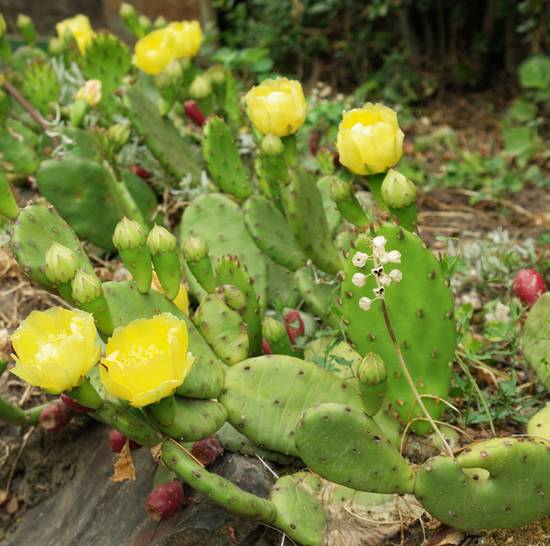
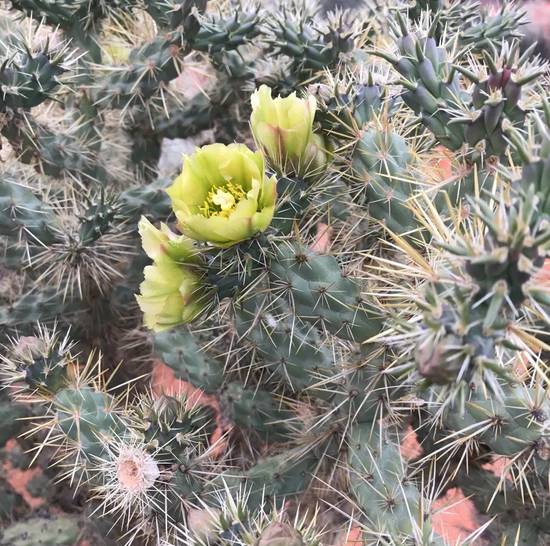
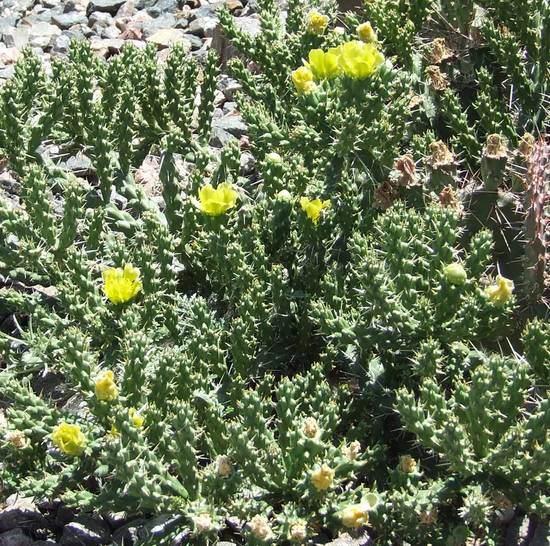
With minimal watering and very bright exposure, Cylindropuntia Whipplei develops short, turgid segments and a compact habit. In heavy or wet soil it weakens, elongates and becomes prone to rot. Properly grown, it produces waxy flowers in spring/summer (greenish yellow to pinkish), followed by generally dry fruits.
In rocky and gravelly alluvial landscapes, Cylindropuntia Whipplei benefits from brief showers, cooler nights and very dry air. In cultivation, reproduce this “shower then rapid drying” cycle with a mineral substrate, spaced watering and dry bright overwintering.
To maintain compact growth and dense spination, Cylindropuntia Whipplei requires true full sun outdoors.
🌞 Ideal: full sun 6–8 h/day.
🌤️ Summer: acclimate gradually after winter.
🏠 Indoors: only behind a very sunny bay or in a bright cold greenhouse.
🌞 Ideal: full sun 6–8 h/day.
🌤️ Summer: acclimate gradually after winter.
🏠 Indoors: only behind a very sunny bay or in a bright cold greenhouse.
Adapted to rare intense rains, Cylindropuntia Whipplei prefers thorough but widely spaced watering with complete drying between.
🌱 Spring/Summer: every 3–4 weeks in pots if fully dry; in ground only during establishment.
🍂 Autumn/Winter: dry or almost; cold moisture is the main enemy.
⚡ Tip: terracotta pots and mineral mixes improve drying.
🌱 Spring/Summer: every 3–4 weeks in pots if fully dry; in ground only during establishment.
🍂 Autumn/Winter: dry or almost; cold moisture is the main enemy.
⚡ Tip: terracotta pots and mineral mixes improve drying.
Built for dry heat, Cylindropuntia Whipplei tolerates brief frosts if perfectly dry but fears prolonged damp cold.
🌡️ Ideal: 20–35 °C in warm season with ventilation.
❄️ Minimum: down to -5/-7 °C briefly when dry depending on origin; avoid prolonged freezing in wet soil.
🏠 Rest: bright, dry and frost-free winter.
🌡️ Ideal: 20–35 °C in warm season with ventilation.
❄️ Minimum: down to -5/-7 °C briefly when dry depending on origin; avoid prolonged freezing in wet soil.
🏠 Rest: bright, dry and frost-free winter.
To mimic desert screes, Cylindropuntia Whipplei requires an ultra-draining, poor and mineral mix.
🪨 Recommended mix: cactus soil mixed with 60–70% minerals (coarse sand, gravel, perlite) + pozzolana top dressing.
🪨 Recommended mix: cactus soil mixed with 60–70% minerals (coarse sand, gravel, perlite) + pozzolana top dressing.
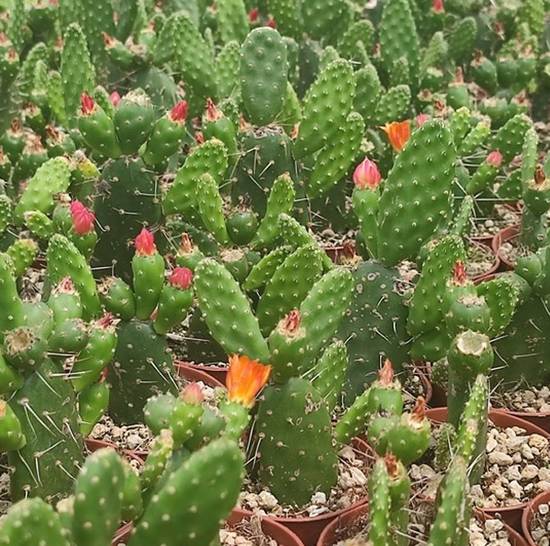
When the season is right and winter rest was dry, Cylindropuntia Whipplei produces waxy flowers in greenish-yellow to pink tones contrasting with shiny spines.
🌸 Period: spring to early summer.
🎨 Shades: greenish yellow to pink; fruits often dry and persistent.
🕑 Keys: full sun, dry winter rest, very moderate feeding.
🌸 Period: spring to early summer.
🎨 Shades: greenish yellow to pink; fruits often dry and persistent.
🕑 Keys: full sun, dry winter rest, very moderate feeding.
FAQ - Cylindropuntia Whipplei
What is the ideal substrate for Cylindropuntia Whipplei in a pot?
A poor and very mineral mix: cactus potting soil blended 60–70% with minerals (gravel, perlite) and a top dressing of pumice at the crown.
How often should Cylindropuntia Whipplei be watered in summer?
Every 3–4 weeks at most if the mix is completely dry; in the ground, water mainly during the first seasons for establishment.
Can Cylindropuntia Whipplei tolerate frost?
Brief negative temperatures are possible when dry (around -5/-7 °C depending on origin). Avoid prolonged cold moisture and protect in case of lasting frost.
Which fertilizer should be used for Cylindropuntia Whipplei without softening the tissues?
A low-nitrogen diluted product: cactus fertilizer or liquid cactus fertilizer, once per month during the growing season.
Where should Cylindropuntia Whipplei be placed indoors?
In front of a south-facing bay window, veranda or very bright greenhouse; otherwise under grow lights. A terracotta pot is recommended for fast drying.
How to handle the spines of Cylindropuntia Whipplei when repotting?
Use thick gloves, wrap cardboard/newspaper around the segments, choose a heavy and stable pot; wait 7–10 days before the first watering.
Why is my Cylindropuntia Whipplei elongating?
Lack of sun and/or excess water. Increase sun exposure, space out watering and enrich the mix with minerals (add perlite).
Can Cylindropuntia Whipplei be grown in the ground?
Yes in mild and dry climates: gravel mound, full sun, limited winter rain; mulch with pumice around the crown.
When should Cylindropuntia Whipplei be fertilized?
Only during active growth (late spring–summer), at half dose, with succulent fertilizer or cactus fertilizer.
What plants pair well with Cylindropuntia Whipplei?
Agaves, Dasylirion, Yucca, Echinocereus; mineral beds and pumice mulch for a desert look.