Opuntia Monacantha
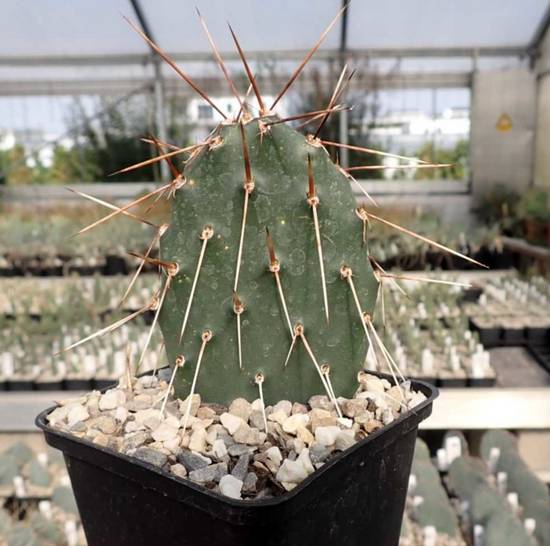
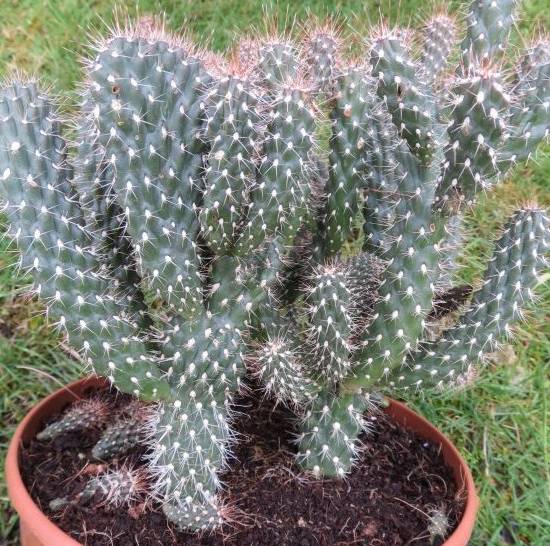
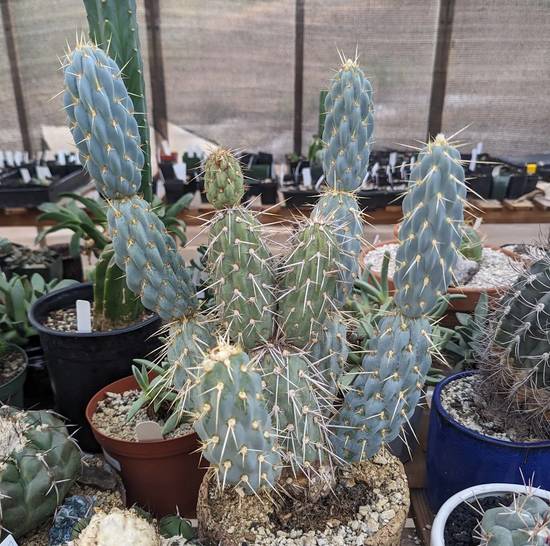
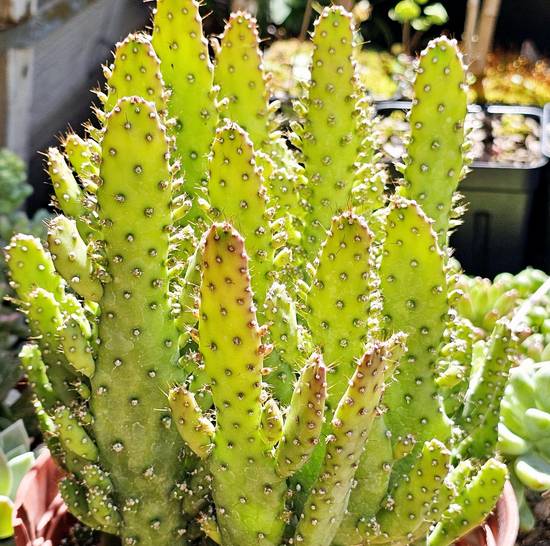
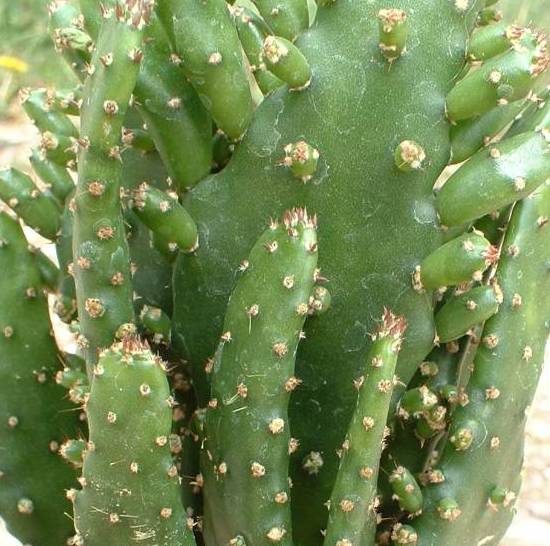
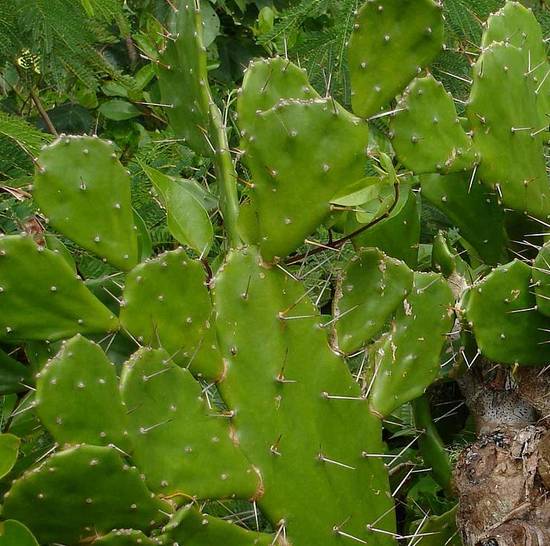
The Opuntia Monacantha is a cactus with a slender, elegant habit, highly appreciated for its aesthetics and ease of cultivation. Unlike some very spiny Opuntia varieties, this one has flat, bright green pads, often glossy, with few or no spines, making it easier to handle.
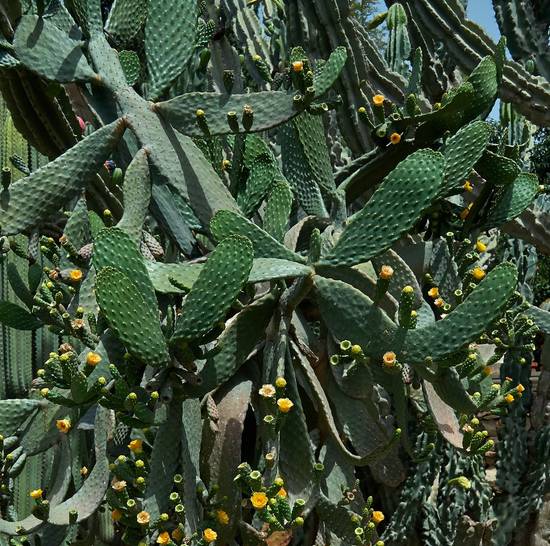
It grows quickly in height, forming a main stem from which large, flattened cladodes emerge, stacked like a tree. This distinctive architecture gives it a tropical look, enhanced by the vivid color of its pads and the occasional presence of purplish spots along the edges.
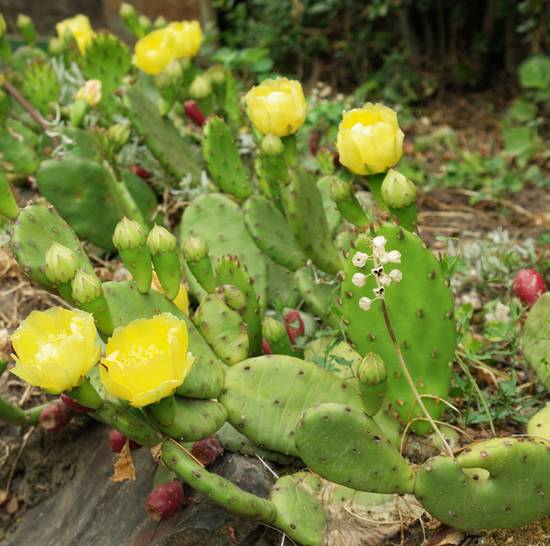
During the flowering period, usually in late spring or summer, Opuntia Monacantha produces large flowers in golden yellow tones, sometimes orange or red depending on the specimen. These diurnal flowers open in the sun, revealing a bright corolla and numerous stamens. They may be followed by red, ovoid, edible fruits with a slightly tangy flavor.
In its natural habitat, it grows in open woodland areas, along paths, clearings, and sandy coastal zones. It tolerates both organic-rich soils and rocky ground, provided drainage is good. Thanks to this adaptability, Opuntia Monacantha has also become naturalized in other tropical regions of the world, notably Africa and Australia.
🔆 Outdoors: It enjoys full sun exposure, at least 5 to 6 hours per day. A south- or west-facing position is ideal.
🌤️ In summer: During heatwaves, protect young plants from intense direct sun that could damage tender pads.
🏠 Indoors: Place near a very bright window. In winter, supplemental grow lighting can help compensate for reduced natural light.
💦 Spring and summer: Water only when the substrate is completely dry. On average, every 10 to 15 days depending on temperature.
❄️ Autumn and winter: Greatly reduce watering. Only water if the plant begins to shrivel or if the air is extremely dry.
💡 Tip: Always use a well-draining substrate to prevent moisture buildup that can cause crown rot.
🌡️ Ideal: Temperatures between 20 and 30°C during the growing season.
❄️ Minimum: Can tolerate brief drops to around 5°C if the soil is completely dry, but prolonged frost must be avoided.
🏡 Wintering: Bring indoors when temperatures fall below 10°C, placing it in a bright, cool location to promote future flowering.
🪨 Recommended mix: 40% cactus potting soil, 30% perlite, 30% pumice or coarse sand.
⛏️ Tip: To improve drainage, add a layer of drainage granules at the bottom of the pot.
📆 Period: From May to August depending on exposure.
🌺 Flowers: Large, solitary, yellow to orange, sometimes red. They appear at the tips of well-exposed pads.
🍒 Fruits: Bright red, edible, rich in antioxidants and vitamin C.
🌼 Encouraging flowering: Provide a dry, bright winter rest, followed by cactus fertilizer in spring.