Opuntia Engelmannii
The Opuntia Engelmannii, also known as the desert prickly pear, is a species native to the southwestern United States and northern Mexico. It is valued for its large oval pads, bright flowers and exceptional hardiness.
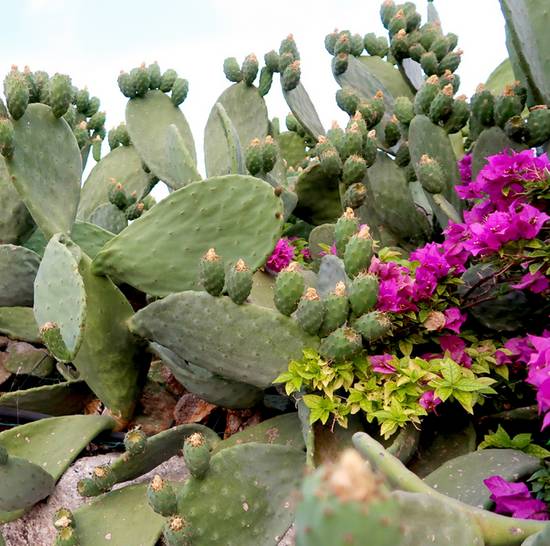
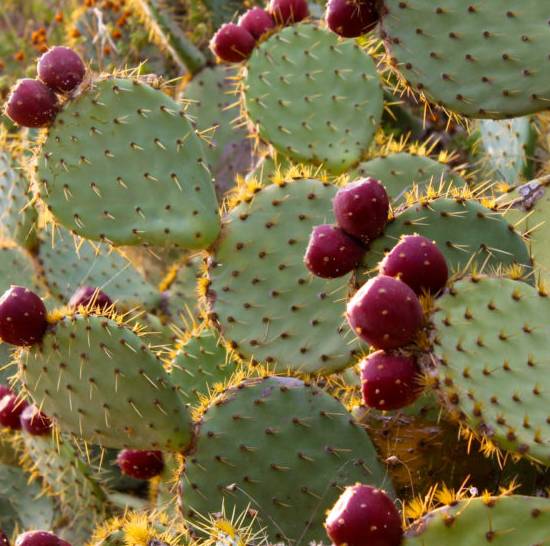
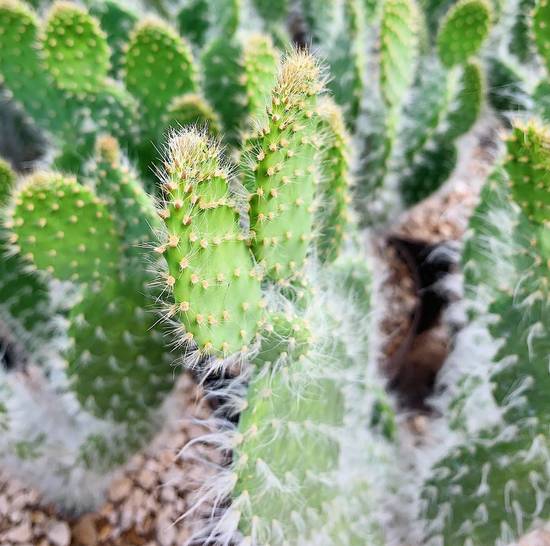
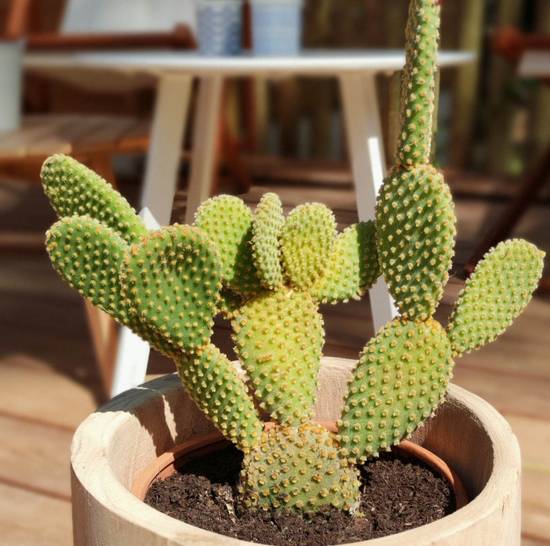
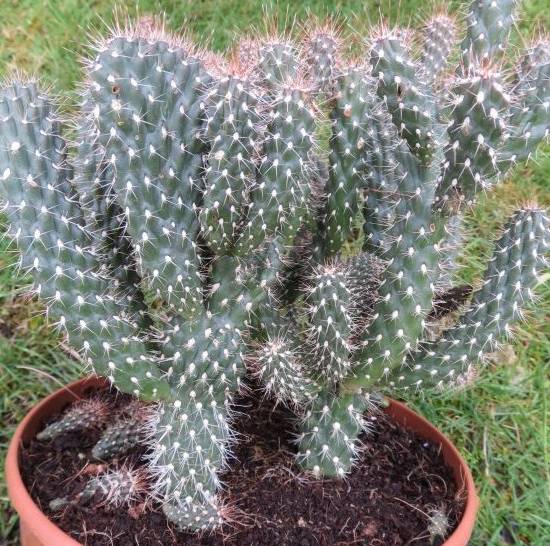
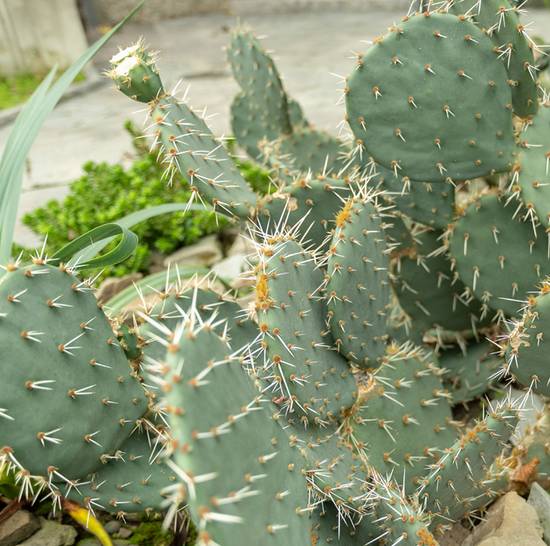
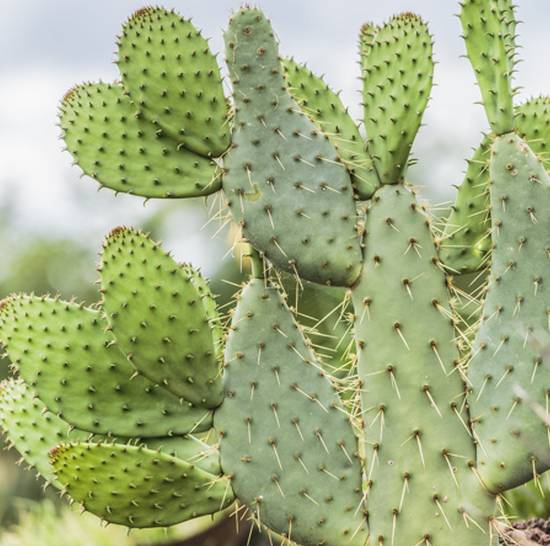
Its flattened pads, light green to bluish green, are covered with areoles bearing sharp glochids and often yellow to brown spines, straight or slightly curved. The plant forms dense clumps that can reach 1 to 2 meters in height when grown in the ground, creating an impressive display.
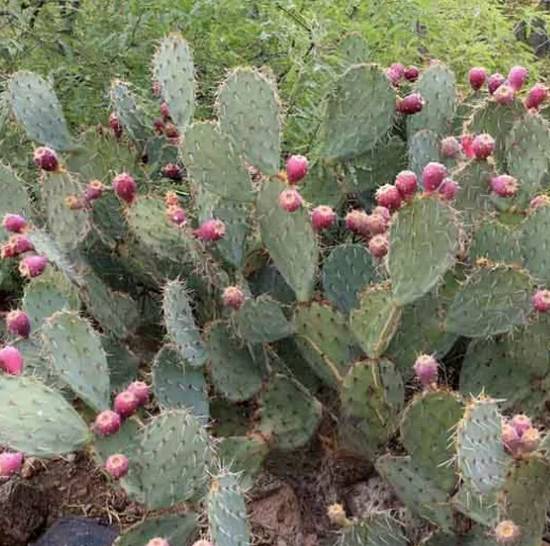
In spring, it produces yellow flowers with orange hues, sometimes tinged with pink depending on the strain. These flowers are followed by edible fruits (tunas), highly appreciated in their native regions.
The Opuntia Engelmannii is native to the arid regions of Texas, Arizona, New Mexico and northern Mexico.
In its natural habitat, it grows under extreme conditions: heat, prolonged drought, rocky soils, and alternating fog and intense sunlight. Its adaptability is among the most remarkable within the Opuntia genus.
In its natural habitat, it grows under extreme conditions: heat, prolonged drought, rocky soils, and alternating fog and intense sunlight. Its adaptability is among the most remarkable within the Opuntia genus.
This cactus loves light and needs it to thrive.
🌞 Full sun: At least 6 hours per day to stimulate flowering and prevent etiolation.
🌤️ Protection: Light shading may be needed during heatwaves, especially for young plants.
🏠 Indoor growing: Choose a full south-facing window or use grow lighting.
🌞 Full sun: At least 6 hours per day to stimulate flowering and prevent etiolation.
🌤️ Protection: Light shading may be needed during heatwaves, especially for young plants.
🏠 Indoor growing: Choose a full south-facing window or use grow lighting.
Easy to maintain, this cactus requires very little water.
💧 Spring / summer: Water every 2 to 3 weeks, only when the substrate is dry.
❄️ Autumn / winter: Stop watering entirely if temperatures fall below 10 °C.
💧 Spring / summer: Water every 2 to 3 weeks, only when the substrate is dry.
❄️ Autumn / winter: Stop watering entirely if temperatures fall below 10 °C.
The Opuntia Engelmannii is robust and cold tolerant.
🌡️ Optimal temperature: Between 20 and 35 °C.
❄️ Frost resistance: Down to −6 °C in dry soil. In pots, bring indoors below 5 °C.
🌡️ Optimal temperature: Between 20 and 35 °C.
❄️ Frost resistance: Down to −6 °C in dry soil. In pots, bring indoors below 5 °C.
It requires a well-aerated, poor soil to avoid root suffocation.
🪴 Ideal mix: 50% cactus soil + 30% perlite + 20% coarse sand or pumice.
⛏️ Drainage: A layer of drainage granules at the bottom of the pot is strongly recommended.
🪴 Ideal mix: 50% cactus soil + 30% perlite + 20% coarse sand or pumice.
⛏️ Drainage: A layer of drainage granules at the bottom of the pot is strongly recommended.
A generous and luminous flowering.
📆 Period: From May to June.
🌼 Flowers: Large lemon-yellow blooms, sometimes tinged with orange or red.
📆 Period: From May to June.
🌼 Flowers: Large lemon-yellow blooms, sometimes tinged with orange or red.
FAQ - Opuntia Engelmannii
What is the ideal substrate for Opuntia Engelmannii?
A mix of 50% cactus soil, 30% perlite, and 20% pumice or coarse sand is perfect. Do not forget a layer of drainage at the bottom.
How should Opuntia Engelmannii be watered in a pot?
Water every 2 to 3 weeks in summer, never while the soil is still moist. In winter, stop watering entirely if the plant is kept cool.
Can Opuntia Engelmannii be planted in the ground?
Yes, in regions with a dry and mild climate. Choose a sunny, well-drained soil. In winter, it tolerates down to -6°C if the soil is dry.
Does Opuntia Engelmannii produce edible fruit?
Yes, its fruits are edible once ripe, with a spiny skin and sweet pulp. Be sure to remove the glochids before tasting.
How can I stimulate the flowering of Opuntia Engelmannii?
Provide a dry and cool winter rest period, then apply a suitable fertilizer in spring.
What are the main threats to Opuntia Engelmannii?
Rot caused by excess water is the main danger. Mealybugs may also appear: monitor and intervene with a gentle treatment.
Where should Opuntia Engelmannii be placed indoors?
Near a south- or west-facing window. In winter, supplemental lighting with a grow light is helpful.
Should Opuntia Engelmannii be repotted often?
Every 2 to 3 years approximately. Choose a slightly wider pot with a fresh and well-draining substrate.
How can Opuntia Engelmannii be propagated?
Take a pad, let the cut dry for 7 days, then plant it in dry substrate. Water after 2 weeks.
What is the mature size of Opuntia Engelmannii?
It can reach 1 to 2 meters in height and form a wide, structured bush.