Opuntia Ficus Indica
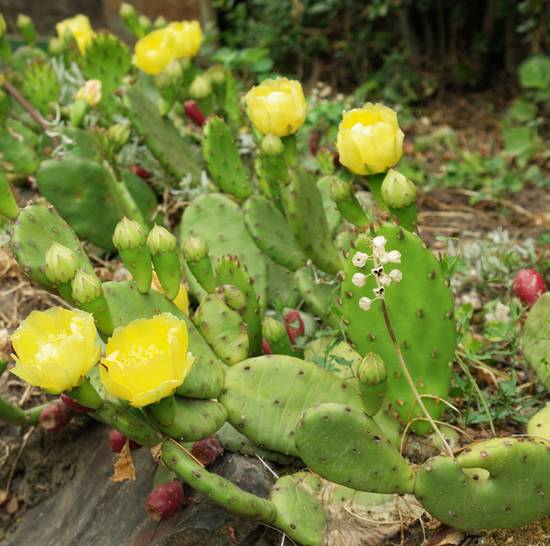
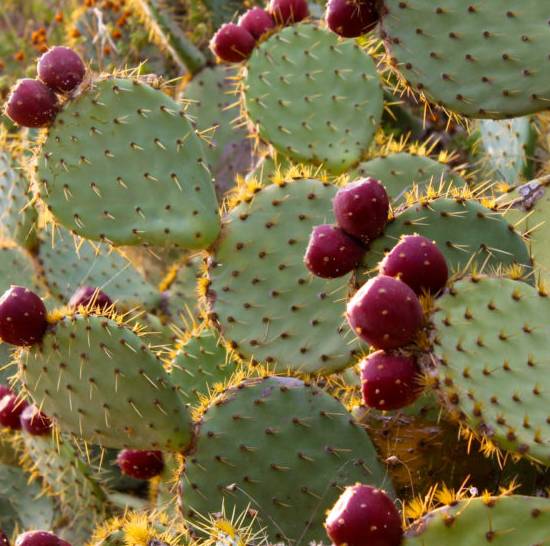
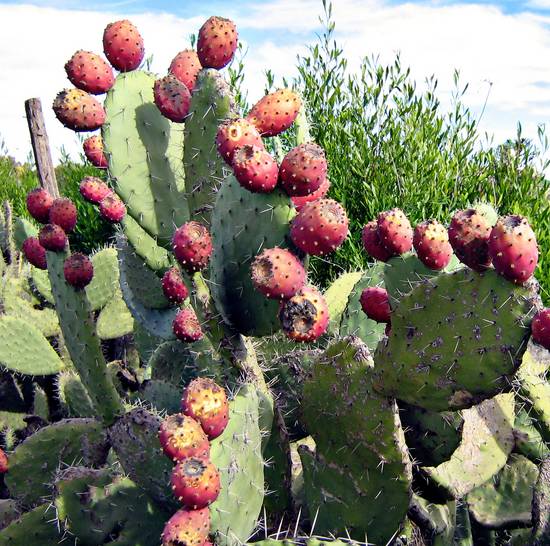
A legendary plant of arid landscapes and Mediterranean regions, Opuntia Ficus Indica, also known as the prickly pear cactus, perfectly embodies the rugged beauty of the cactus world. With its large green pads, spectacular flowers, and delicious fruits, it is both ornamental, edible, and medicinal.
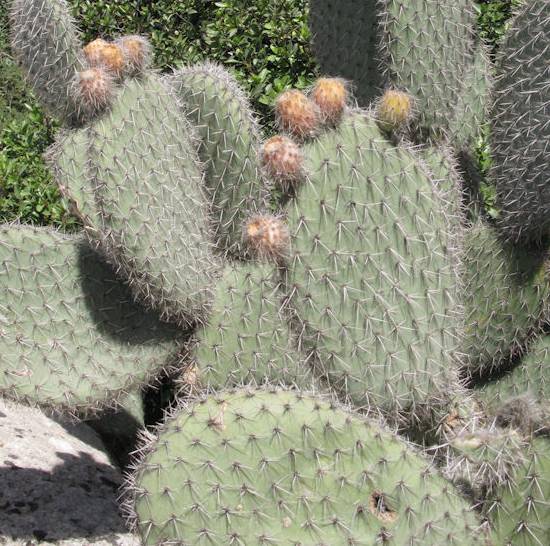
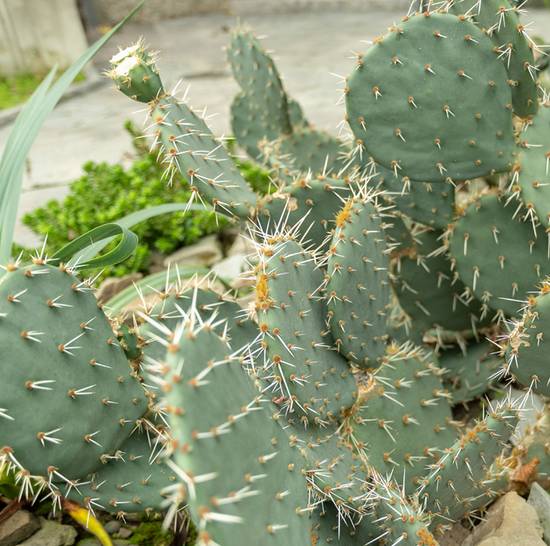
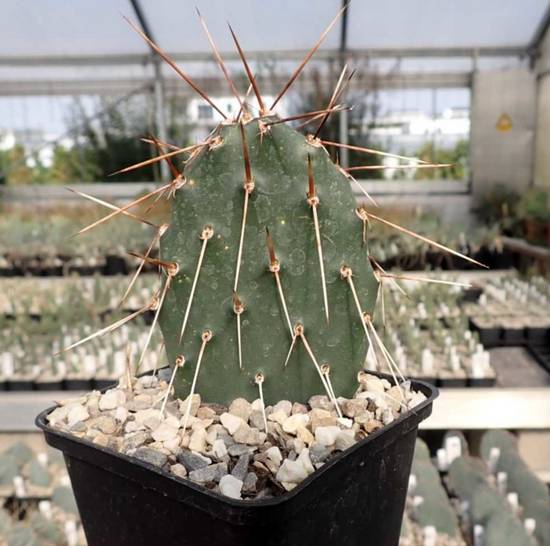
Imposing yet aesthetic, it forms a shrub or small tree with multiple flattened cladodes (commonly called “pads”) stacked upon one another. It can reach 3 to 5 meters in height when grown in the ground. Each pad is covered with tiny spines (glochids) that are very fine but formidable to the touch.
Its appeal goes beyond its silhouette: its fruits, known as prickly pears, are edible and rich in vitamins. Its young pads, called nopalitos, are also consumed in traditional Mexican cuisine.
It is deeply rooted in Mexican culture: it even appears on the Mexican flag, alongside the eagle and the serpent.
☀️ Full light: Requires at least 6 hours of direct sunlight per day for optimal growth and abundant fruiting.
🌤️ Potted cultivation: Indoors, place near a very bright window or ideally outdoors when temperatures allow.
💡 Tip: Strong exposure promotes flowering and fruit production.
🌱 Growing season: Water moderately, allowing soil to dry completely between waterings. In pots: every 15–20 days depending on heat.
🍂 Dormant season: No watering if kept cool indoors.
⚠️ Warning: Excess water can cause root or pad rot.
🌡️ Ideal: 20–35 °C
❄️ Tolerance: Down to -5 °C occasionally if well established in draining soil. In pots, bring indoors below 5 °C.
🏠 Overwintering: Bright, unheated place with completely dry soil.
🌿 In-ground: Prefer poor, sandy, rocky, well-exposed soil.
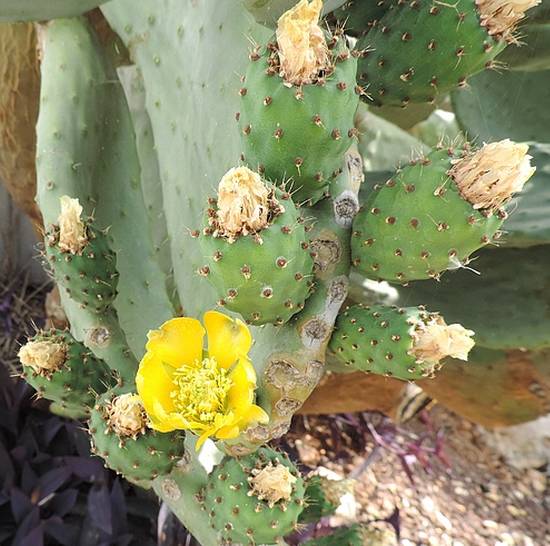
📆 Flowering: May to July depending on region
🌺 Flowers: Bright yellow to orange, sometimes red, cup-shaped at pad tips
🍈 Fruits: Prickly pears (edible once peeled)
🍴 Use: Jam, juice, or fresh — beware of glochids on the skin!