Opuntia Microdasys

Opuntia Microdasys
Opuntia Microdasys
Opuntia Microdasys
Opuntia Microdasys
Opuntia Microdasys

Opuntia Microdasys

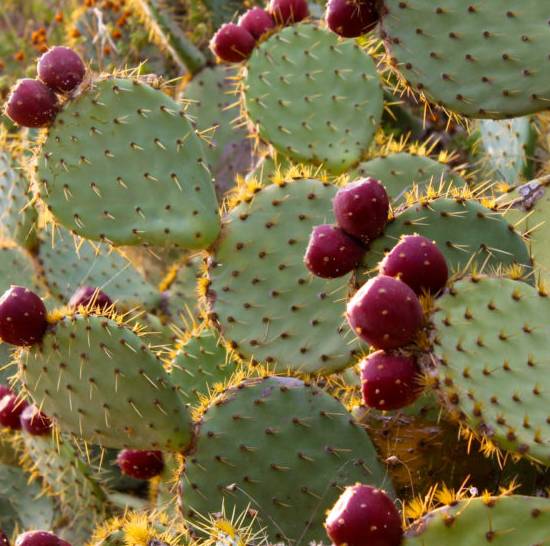
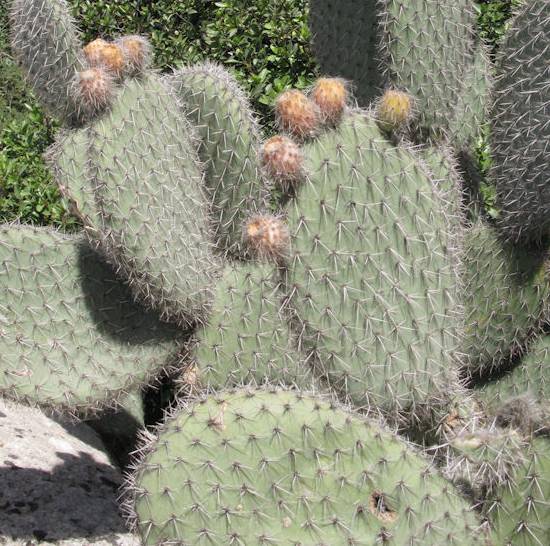
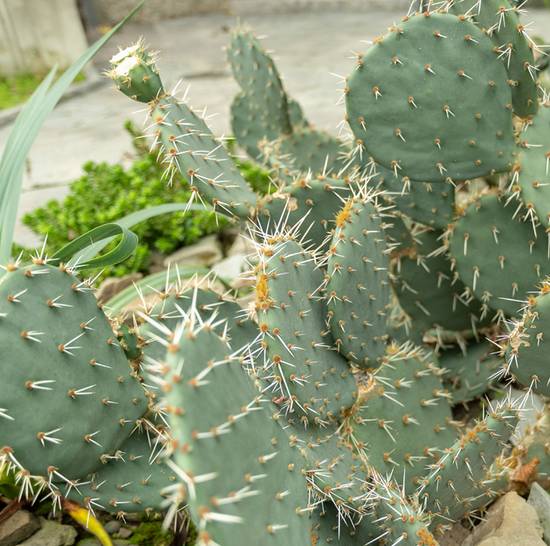
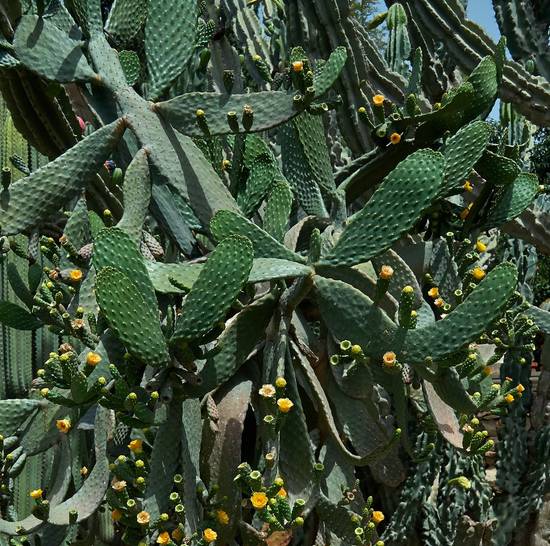
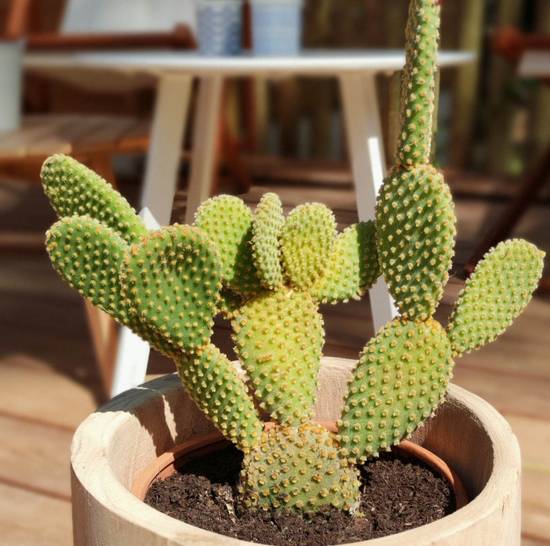
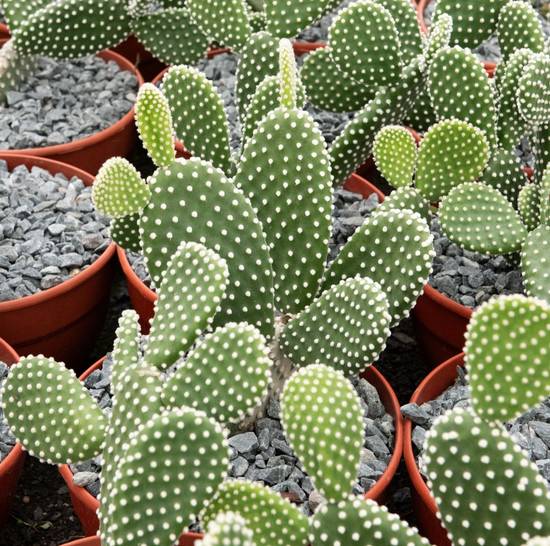
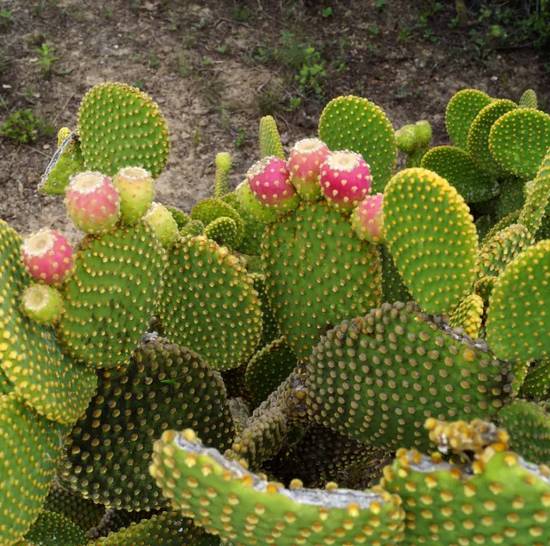
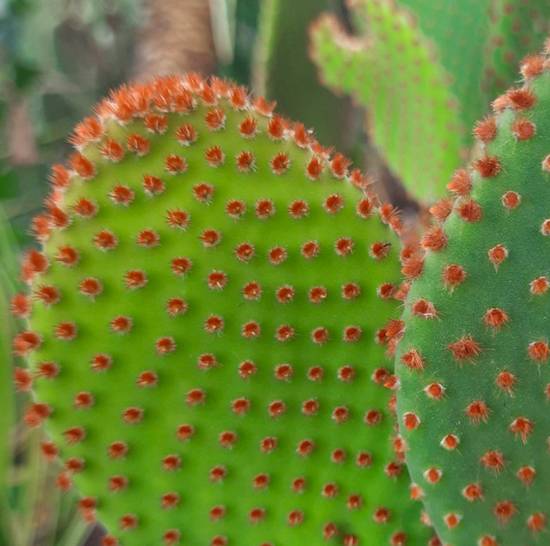
The Opuntia Microdasys, nicknamed the bunny ears cactus or Mickey cactus, is a fascinating plant from the Cactaceae family. Native to northern Mexico, this flat, segmented cactus immediately catches the eye with its graphic appearance, symmetrical pads, and small clusters of golden, white, or reddish glochids covering its segments. This cactus is one of the most popular in succulent collections, both among beginners and enthusiasts. It is easy to grow, requires little water, and offers a unique aesthetic that makes it a very trendy indoor plant.

In addition to its playful appearance, the Opuntia Microdasys is highly drought-resistant, making it an ideal companion for forgetful gardeners. Placed in a designer pot or in a desert-style arrangement, it attracts all eyes. It grows quickly in a well-draining substrate and bathed in light. A must-have for a modern plant decor, minimalist and exotic at the same time. It is also an excellent gift idea for cactus lovers with an original look.

The Opuntia microdasys is native to the arid regions of northern and central Mexico. In its natural habitat, it grows on sandy or rocky soils, exposed to intense sunlight. It is perfectly adapted to dry and hot climates.
To grow well, the Opuntia Microdasys needs plenty of light:

☀️ Direct sunlight: at least 5 to 6 hours per day.

🌤️ Indoors: place it behind a south- or west-facing window. Avoid areas that are too dark, which would slow its growth and make it more fragile.

🚫 Warning: too much shade = stretched pads = less aesthetic.
The Opuntia Microdasys is a cactus very tolerant of drought, but sensitive to excess water:

🌱 Spring / Summer: watering once every 3 weeks is sufficient, letting the substrate dry well between waterings.

🍂 Autumn / Winter: greatly reduce or completely stop watering in winter (especially if temperatures are cool).

⚠️ Excess water = root rot.
The Mickey cactus enjoys warm climates:

🌞 Ideal temperature: between 20°C and 30°C.

❄️ Minimum: it tolerates short periods at 5°C, but no frost.

🏠 Indoor overwintering recommended if you live in a cold region.
Like all cacti, the Opuntia Microdasys needs a very well-draining soil:

💡 Ideal mix: cactus potting soil + coarse sand + pumice or perlite to avoid any water stagnation.
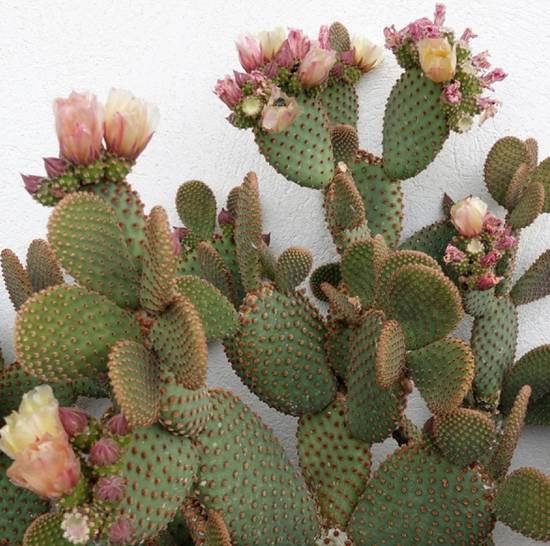
Even though it is rare indoors, the flowering of the Opuntia microdasys is a real pleasure to observe:

🌼 Season: between June and August.

🎨 Color: bright yellow, sometimes slightly orange in the center.

🕑 Duration: only a few days.

💡 It appears on well-mature pads, with strong light and controlled water stress.
FAQ - Opuntia Microdasys

How to recognize excess moisture in Opuntia Microdasys?
The most common signs of excess moisture in Opuntia Microdasys are the appearance of black spots, softened or translucent segments, and sometimes collapse of the plant at the base. This indicates the beginning of root rot.
What are the signs of lack of water in Opuntia Microdasys?
Lack of water appears as pads that wrinkle slightly, become duller and may retract. Proper spaced watering may be enough to correct this safely.
Can the bunny ears cactus be planted outdoors?
Yes, in warm and dry climates, Opuntia Microdasys can be grown in the ground. However, it fears prolonged frost. Below 5°C, pot cultivation with winter protection is preferable.
What type of soil should be used for Opuntia Microdasys?
The ideal substrate is a well-draining cactus soil enriched with pumice or perlite. This prevents water retention and the risk of rot.
Does Opuntia Microdasys flower easily?
Flowering is rare indoors, but possible if the plant is mature, well exposed to sunlight and subjected to slight water stress. Yellow flowers generally appear in summer.
How to propagate Opuntia Microdasys?
This cactus can be propagated by cuttings: detach a pad, let it heal for several days, then plant it in dry substrate. It will root within a few weeks.
Are the glochids of Opuntia Microdasys dangerous?
Yes, these small hairs are very fine but highly irritating. They can penetrate the skin and cause itching or redness. Always handle with gloves.
Is Opuntia Microdasys toxic to animals?
This cactus is not known to be toxic, but its glochids can cause severe irritation in curious animals. Keep it out of reach of children and pets.
Should Opuntia Microdasys be fertilized?
Yes, fertilization in spring is beneficial. Use a special cactus fertilizer once a month during the growing period.
Why is my bunny ears cactus growing taller without producing new pads?
This may be due to lack of light. The cactus seeks the light source, causing elongated growth. Place it in full sun to restore compact growth.