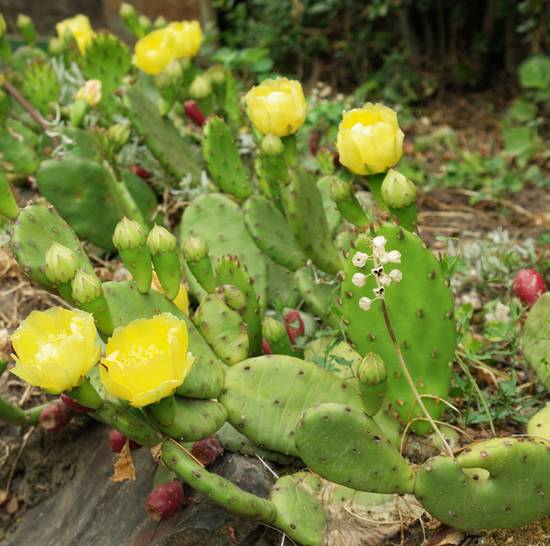
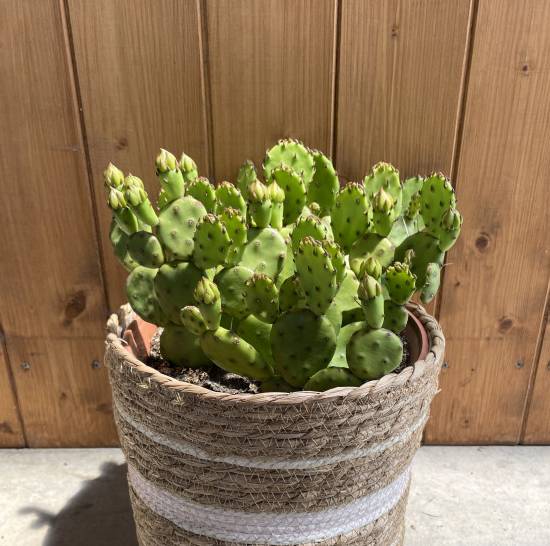
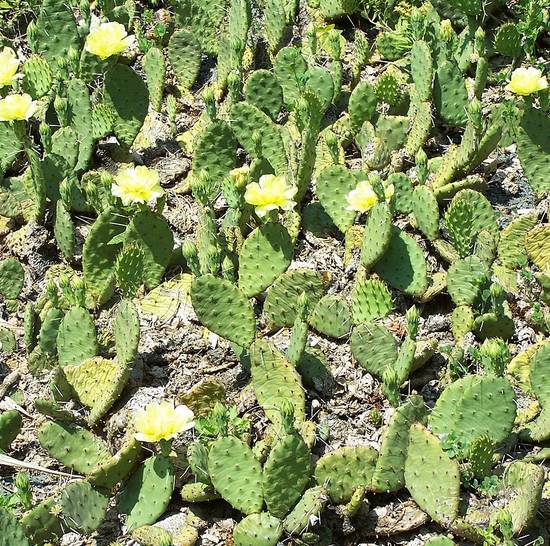
Opuntia Humifusa
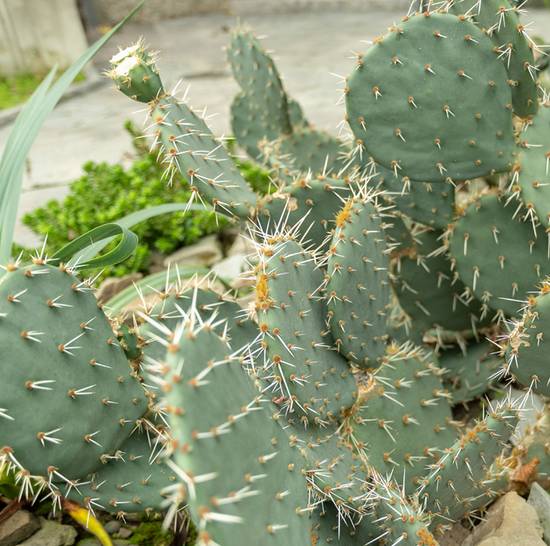
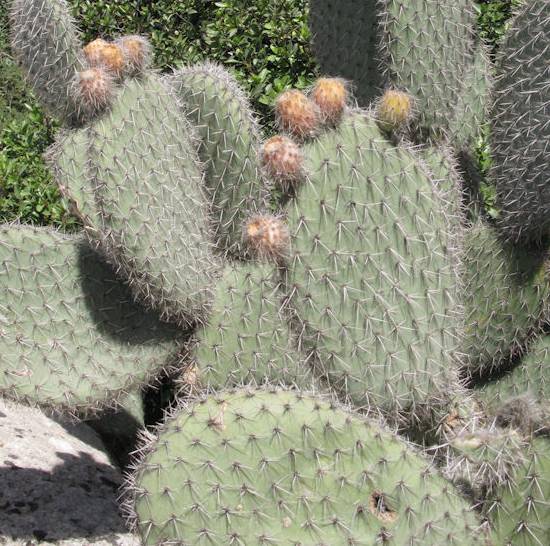
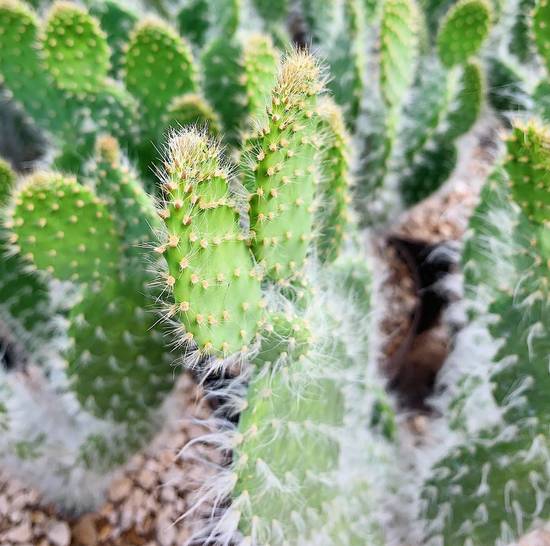
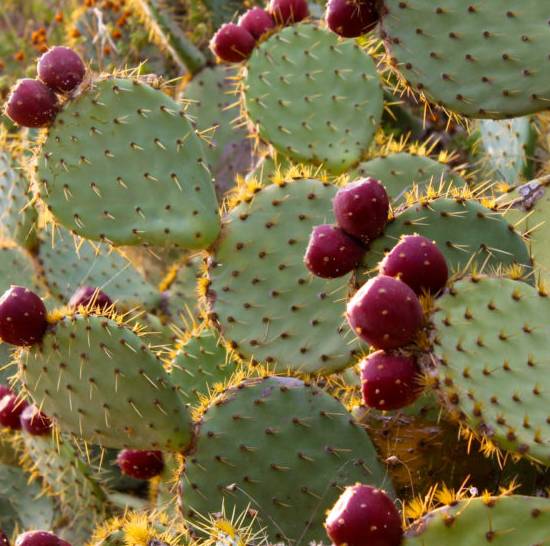
The Opuntia Humifusa is a very hardy North American prickly pear, appreciated for forming low, spreading cushions ideal for dry rock gardens, sunny slopes and shallow containers. Its oval to rounded cladodes display a bright green epidermis that may turn olive late in the season. Areoles bear variable spines depending on strain, and especially glochids that require careful handling. Well established, Opuntia Humifusa densifies through segmentation and creates a graphic groundcover effect.
Its strength lies in endurance: it withstands harsh winters if kept dry and tolerates hot summers easily. The key is avoiding stagnant moisture; the plant prefers a clear “thorough rain then complete drying” rhythm.
Native to eastern and central United States, Opuntia Humifusa grows on rocky outcrops, dunes and dry sandy slopes where water drains rapidly and light is intense.
To stay compact and floriferous, Opuntia Humifusa requires true full sun.
🌞 Ideal: 6–8 h direct sun/day outdoors.
🌤️ Summer: acclimate after winter; filter behind glass if necessary.
🏠 Indoors: very bright south-facing exposure.
🌞 Ideal: 6–8 h direct sun/day outdoors.
🌤️ Summer: acclimate after winter; filter behind glass if necessary.
🏠 Indoors: very bright south-facing exposure.
Adapted to rare rains, Opuntia Humifusa prefers thorough but spaced watering on fully dry mix.
🌱 Spring/Summer: every 3–4 weeks in pots if totally dry; little to none in ground after establishment.
🍂 Autumn/Winter: dry; cold moisture is the main enemy.
⚡ Tip: terracotta pot + mineral drainage layer for rapid drying.
🌱 Spring/Summer: every 3–4 weeks in pots if totally dry; little to none in ground after establishment.
🍂 Autumn/Winter: dry; cold moisture is the main enemy.
⚡ Tip: terracotta pot + mineral drainage layer for rapid drying.
Built for wide amplitudes, Opuntia Humifusa tolerates significant frost when perfectly dry.
🌡️ Ideal: 18–32 °C in warm season.
❄️ Minimum: down to -20 °C dry depending on origin; avoid wet cold soil.
🏠 Rest: bright, dry winter if grown in pots.
🌡️ Ideal: 18–32 °C in warm season.
❄️ Minimum: down to -20 °C dry depending on origin; avoid wet cold soil.
🏠 Rest: bright, dry winter if grown in pots.
To mimic dunes and rocky outcrops, Opuntia Humifusa requires a poor, ultra-draining mix.
🪨 Recommended mix: cactus soil mixed with 60–70% minerals (coarse sand, gravel, perlite) + pozzolana top dressing at the collar.
🪨 Recommended mix: cactus soil mixed with 60–70% minerals (coarse sand, gravel, perlite) + pozzolana top dressing at the collar.
When the cycle is respected, Opuntia Humifusa brightens the rock garden.
🌸 Period: late spring to early summer.
🎨 Colors: bright yellow often with orange/red center; decorative purple fruits.
🕑 Keys: full sun, dry winter rest, very light feeding.
🌸 Period: late spring to early summer.
🎨 Colors: bright yellow often with orange/red center; decorative purple fruits.
🕑 Keys: full sun, dry winter rest, very light feeding.
FAQ - Opuntia Humifusa
Why is my Opuntia Humifusa not flowering?
Winter too wet or lack of sun. Provide a dry rest and full sun, then light applications of cactus fertilizer in spring.
What is the best substrate for Opuntia Humifusa in a pot?
A cactus potting soil mixed 60–70% with minerals, with perlite and a pumice mulch at the crown.
How often should Opuntia Humifusa be watered in summer?
Every 3–4 weeks if the mix is completely dry; in the ground, generally unnecessary after establishment.
Can Opuntia Humifusa tolerate frost?
Yes, down to about -20 °C when dry depending on strains; protect from prolonged cold moisture.
Which fertilizer should be used for Opuntia Humifusa?
A low-nitrogen product at half dose, such as cactus fertilizer or succulent fertilizer during the growing season.
How to repot Opuntia Humifusa without getting pricked?
Use thick gloves and wrap newspaper around the pads, choose a stable pot; wait 7–10 days before watering after repotting.
Why are the pads of my Opuntia Humifusa drooping?
Excess water or lack of light. Space out watering, increase sun exposure and improve drainage with perlite.
Can Opuntia Humifusa be grown in the ground in a humid climate?
Yes, on a gravel mound in full sun, with pumice mulch and protection from winter rain.
Is Opuntia Humifusa suitable for beginners?
Yes, if given full sun, rare watering and well-draining soil; a very diluted liquid cactus fertilizer is sufficient during the growing season.
How to propagate Opuntia Humifusa?
Separate pads in summer: let them callus for 7 days, then plant in a very well-draining mix; minimal watering until rooted.