Opuntia Clavarioides
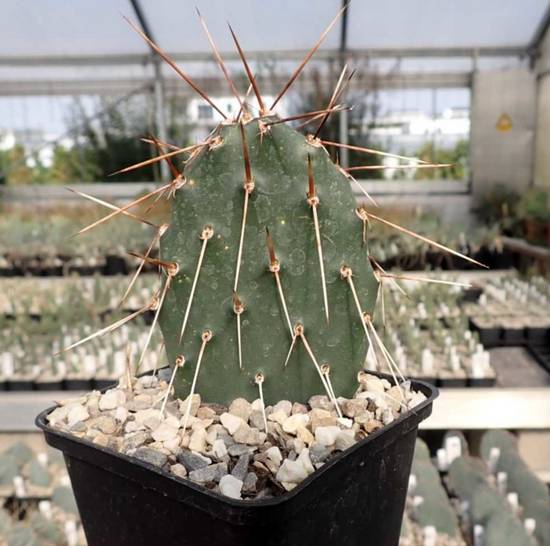
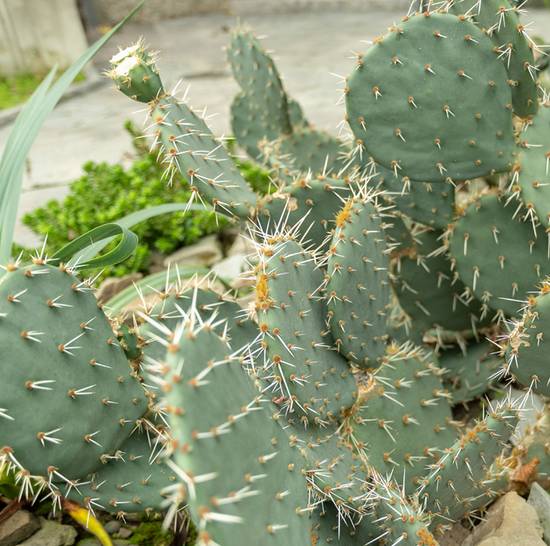
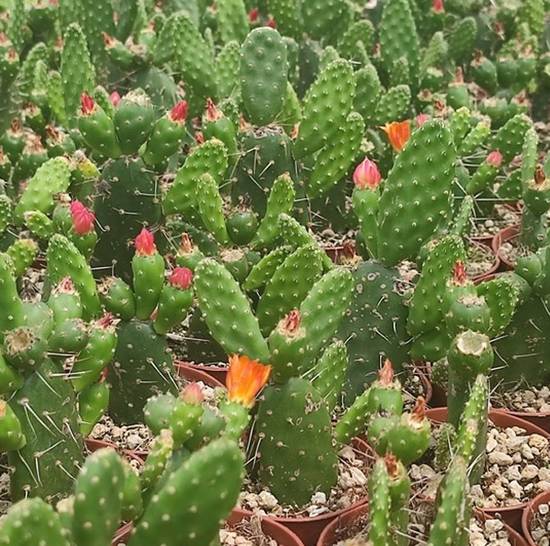
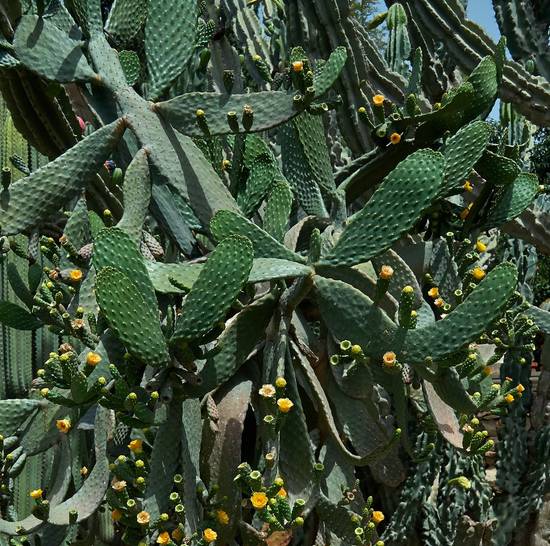
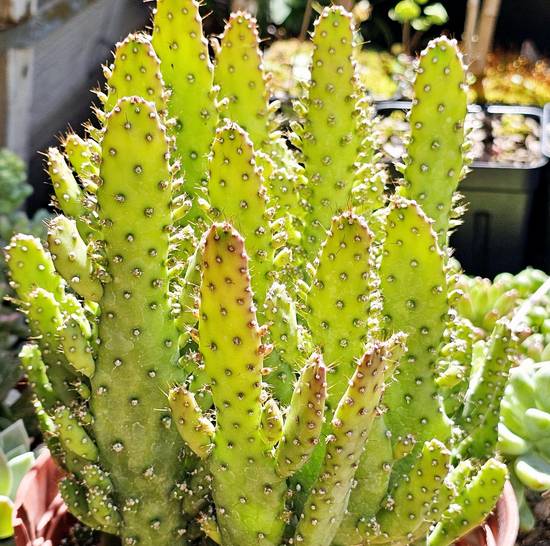
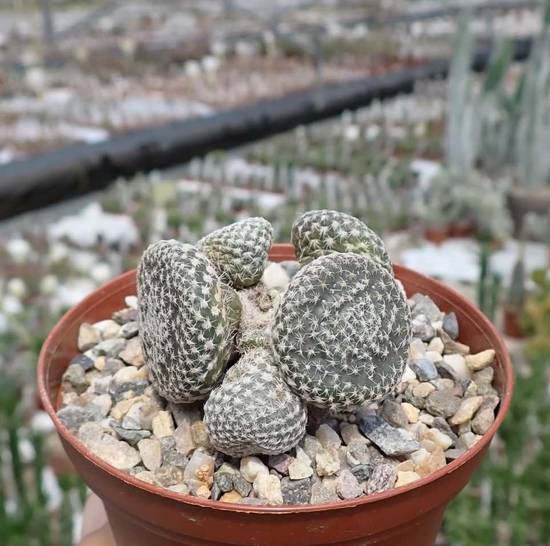
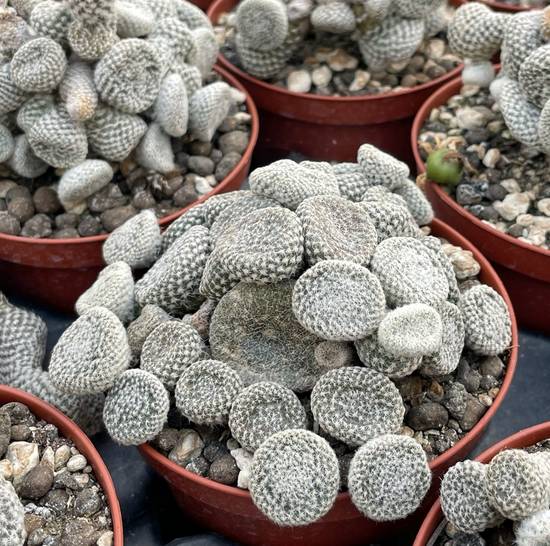
Opuntia Clavarioides is one of the strangest and most fascinating species of the Opuntia genus. Far from the classic pads commonly associated with prickly pears, this species adopts a completely unusual shape, resembling a cluster of fingers or small upright sticks. Its singular appearance makes it both a botanical curiosity and a centerpiece in any collection of unusual cacti.
Its form sometimes evokes colonies of desert corals. It grows in compact cushions made up of short cylindrical segments, bluish-green to gray in color, with rounded tips. It has almost no visible spines, though it may feel slightly rough to the touch. This rare plant appeals both to lovers of curious shapes and to passionate collectors of old cacti.
Despite its strange appearance, Opuntia Clavarioides is relatively easy to grow, provided its specific needs for warmth, light and drainage are respected. In ideal conditions, it can produce beautiful magenta flowers in striking contrast with its understated silhouette.
🌞 Direct sun: Opuntia Clavarioides appreciates full sun exposure, at least 5 to 6 hours per day.
🌤️ Intense summer: If grown in a pot, avoid scorching midday sun without acclimation. Provide filtered light during heat peaks.
🏡 Indoors: Place it near a very bright window, ideally south-facing.
🌱 Growing period (spring-summer): Water about every 3 weeks, allowing the substrate to dry completely between waterings.
🍂 Winter rest: Do not water if temperatures drop below 10°C.
⚠️ Too much water is the main cause of failure with this species. Grow it like an alpine plant: restrained and dry.
🌡️ Ideal range: 20 to 30°C
❄️ Cold resistance: Down to 0°C occasionally, provided the substrate is perfectly dry
🏠 Bring it indoors in winter to a bright, frost-free room if you live in a humid or cold climate.
🪨 Ideal composition: cactus soil (40%) + perlite (30%) + pozzolana (30%)
Add volcanic stones or gravel if needed to further improve drainage.
🌸 Season: Late spring to summer
🎨 Color: Bright magenta to fuchsia pink
🕑 Duration: A few days to one week, in waves
🧼 After flowering, segments may extend slightly. Remove faded flowers to prevent infections.