Euphorbia Meloformis

Euphorbia Meloformis

Euphorbia Meloformis

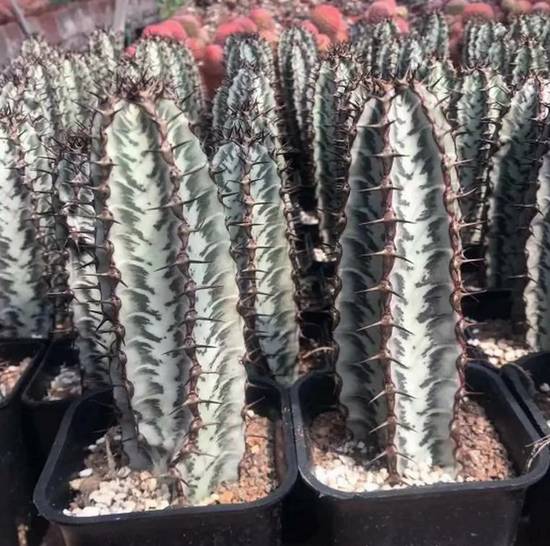
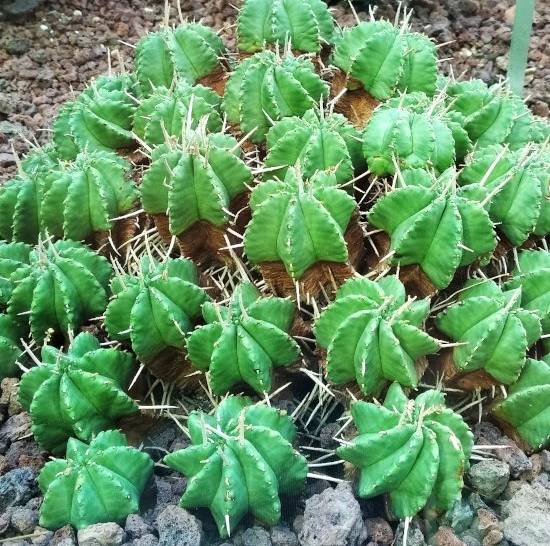
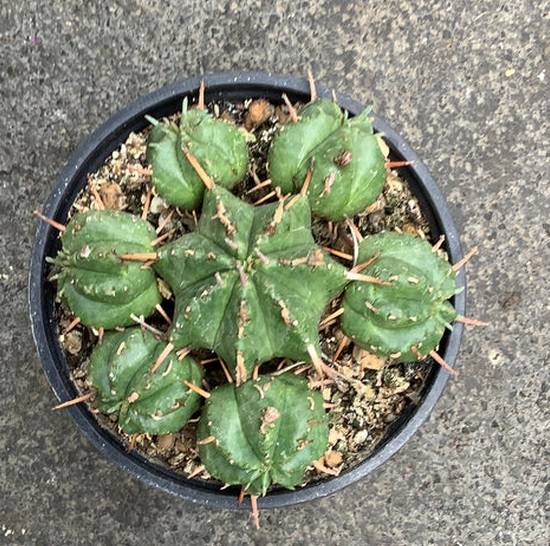
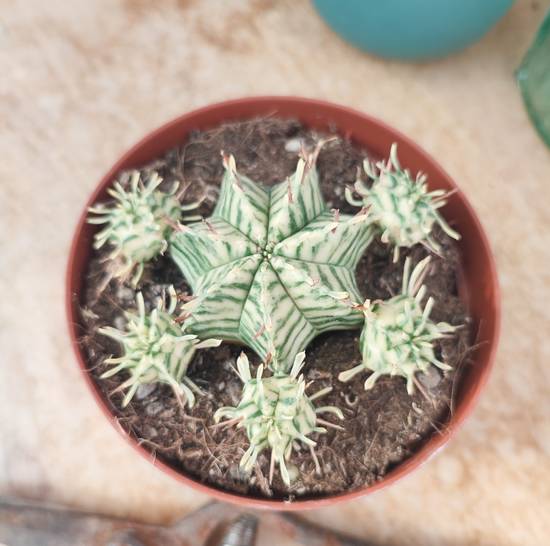
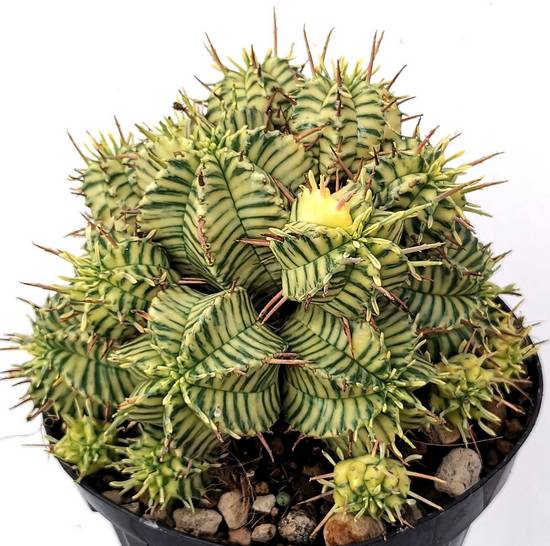
The Euphorbia Meloformis is a striking succulent plant, highly prized by collectors for its original appearance resembling a small sculpted watermelon. Its round, ribbed form, sometimes striped with green and purple tones, makes it a true botanical curiosity.

This member of the large Euphorbiaceae family is often mistaken for a cactus, although it is not one. It is a succulent with an underground caudex and a globular body, which can sometimes produce discreet leaves or lateral offsets. Its growth is slow, but its graphic aesthetic remains consistent throughout the year, making it a perfect plant for pot cultivation, in bright indoor spaces or in a greenhouse.

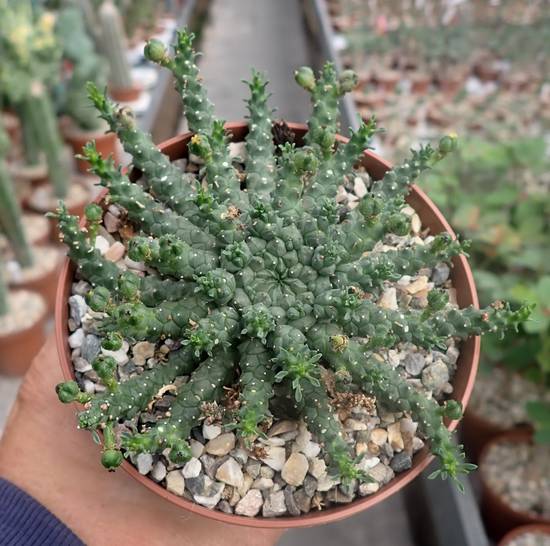
Unlike other euphorbias with vertical growth, the Euphorbia Meloformis remains relatively compact, rarely exceeding 10–15 cm in height. Over time, it can form a small clump through offsets, offering a charming display of juxtaposed spheres, similar to a row of small melons.

The Euphorbia Meloformis is endemic to the Eastern Cape province of South Africa, a semi-arid region where it grows on rocky slopes exposed to the sun, in very mineral soil.
To thrive, the Euphorbia Meloformis requires good sun exposure:

🌞 Full sun or bright partial shade : Ideally 4 to 6 hours of direct sunlight per day.
Like any succulent euphorbia, it fears stagnant moisture:

🌱 Spring / Summer : Water moderately when the substrate is dry deep down.
🌞 Ideal growing temperature : 20 to 30°C

❄️ Minimum tolerance : down to 5°C if the soil is dry.
Well-drained soil is essential:

🪨 Recommended substrate : a mix of cactus potting soil with 50% pumice or pozzolana.
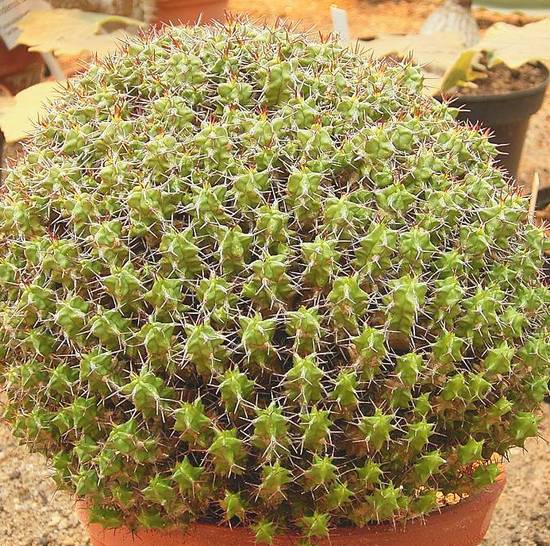
🌼 Appearance : small yellow to greenish flowers.

FAQ - Euphorbia Meloformis

How to recognize excess moisture in Euphorbia Meloformis?
Signs of excess moisture include softening at the base, black spots, and a plant that turns yellow.
What are the signs of underwatering in Euphorbia Meloformis?
Slight wilting or shrinkage of the globular body may indicate a need for water, especially during the growing period.
Is Euphorbia Meloformis toxic?
Yes, like all euphorbias, it contains a white latex that is irritating to the skin and mucous membranes. Handle with care.
Can Euphorbia Meloformis be grown outdoors?
Yes, in a mild and dry climate. In France, it is better to bring it indoors in winter as soon as temperatures drop below 10°C.
How often should Euphorbia Meloformis be watered?
In summer, every 15 to 20 days. In winter, almost not at all, unless the substrate is extremely dry.
What is the best substrate for Euphorbia Meloformis?
A mix of cactus potting soil and pumice or pozzolana is ideal.
Should Euphorbia Meloformis be repotted often?
No, repotting every 3 years is sufficient, especially when the roots begin to completely fill the pot.
How to stimulate the flowering of Euphorbia Meloformis?
A dry winter rest period and strong sunlight in spring encourage the appearance of cyathia.
Does Euphorbia Meloformis tolerate drafts?
It prefers a stable atmosphere. Cold drafts can stress it and slow its growth.
Can Euphorbia Meloformis be fertilized?
Yes, with a special cactus fertilizer every 4 weeks during the growing season.