Echeveria Serengeti
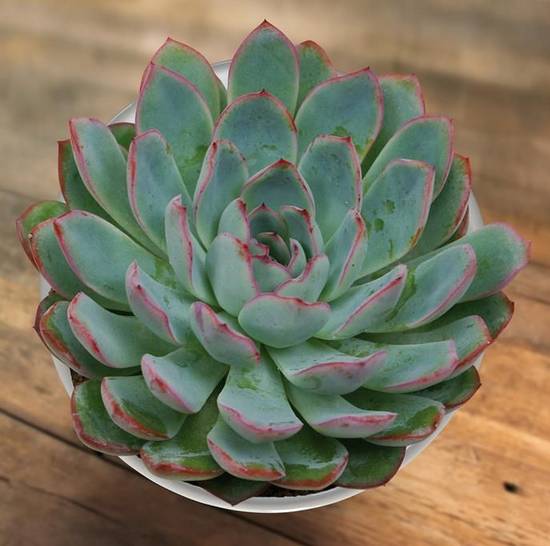
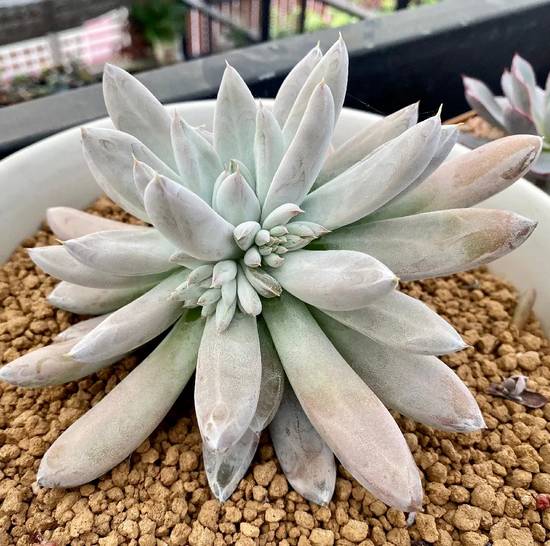
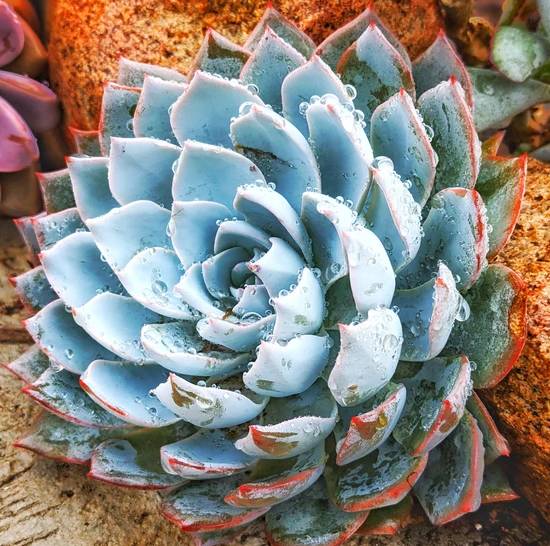
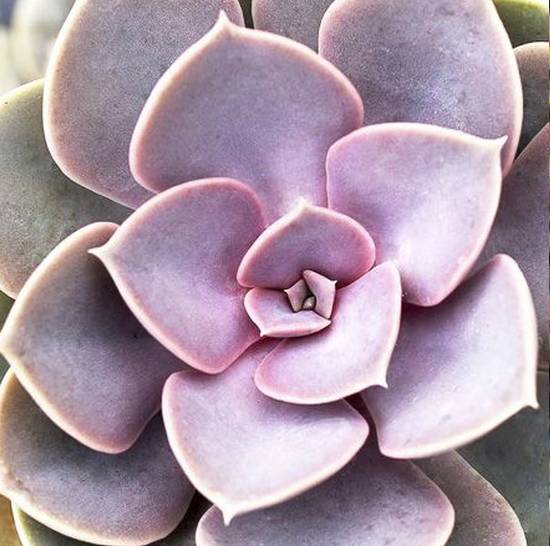
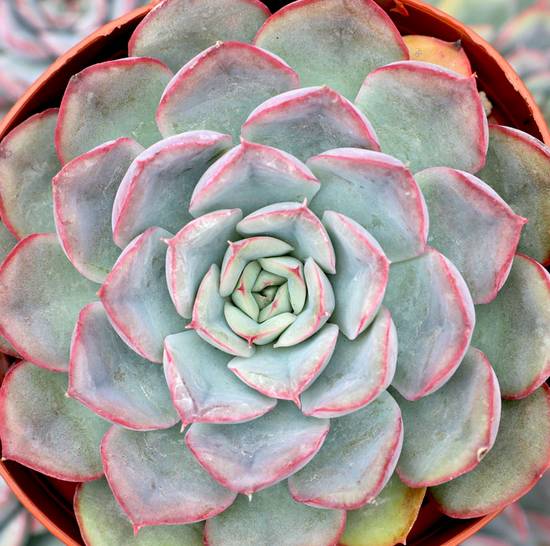
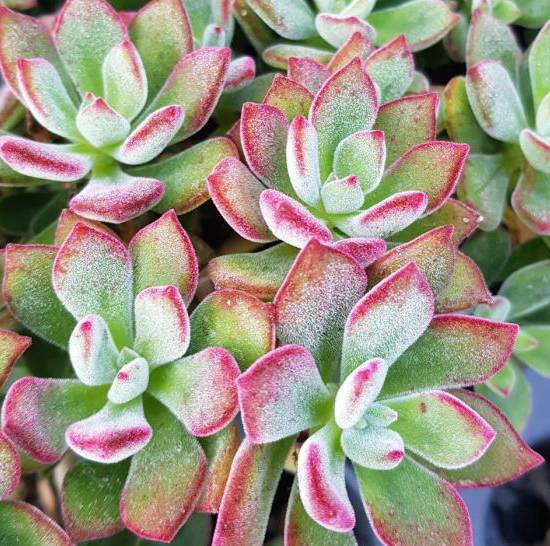
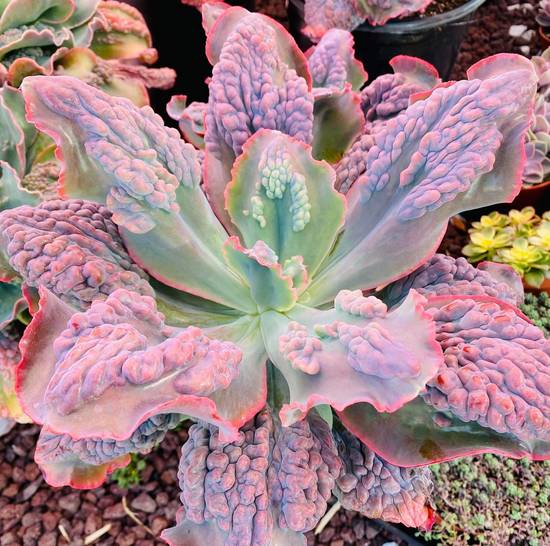
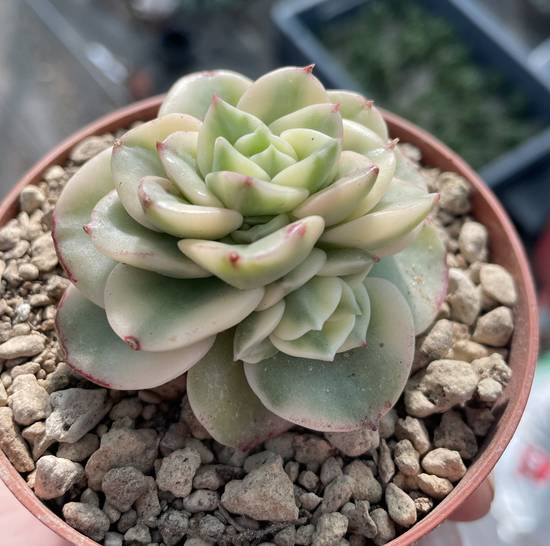
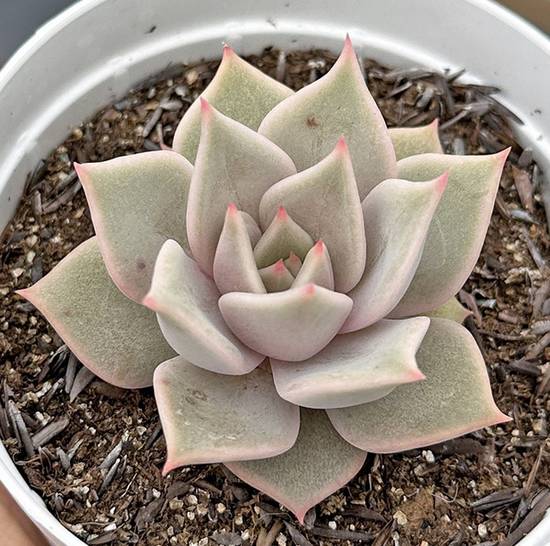
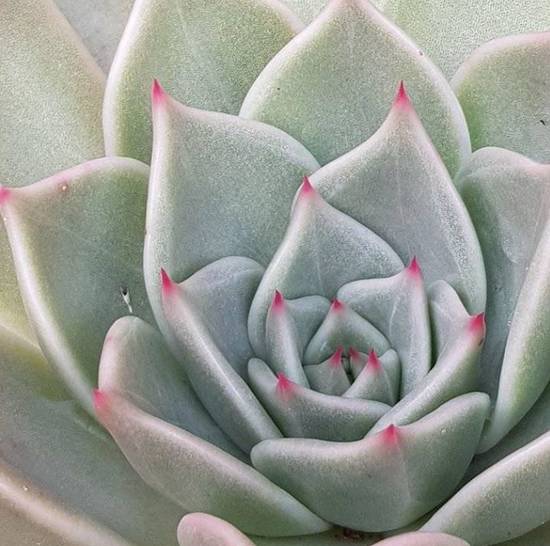
Echeveria Serengeti is a true botanical masterpiece, combining subtle colors with geometric structure. Its perfectly formed rosette, in shades ranging from olive green to coppery pink, evokes the wild and shifting landscapes of the Serengeti, from which it takes its poetic name.
Each leaf is fleshy, slightly curved, and covered with a fine farina that gives it a matte, powdery appearance. In full sun, the foliage develops warm tones, while in shade it remains softer and more pastel. Echeveria Serengeti is not only beautiful: it is also resilient and easy to grow, whether in pots or in dry rock gardens.
Its growth remains compact, with a dense rosette that does not spread disorderly. It is therefore ideal for lovers of neat compositions or to enhance an already well-established collection. Robust and elegant, it embodies the balance between aesthetics and ease of care.
It does not grow in the wild, but its characteristics evoke the arid and rocky conditions of semi-desert areas where its ancestors thrive.
🌞 Optimal light: Direct sun 4 to 6 hours per day. This is the secret to developing its most beautiful shades.
🌤️ In summer: Avoid scorching sun during the hottest hours; light shading may be beneficial.
⚠️ Too much shade will make it pale green and stretched.
🌱 Spring / Summer: Water moderately every 10 to 15 days, when the substrate is perfectly dry.
🍂 Autumn / Winter: Water very sparingly, or not at all if the plant is dormant.
💡 Absolutely avoid stagnant water in the rosette.
🌡️ Ideal temperature: between 20 and 28°C.
❄️ Minimum temperatures: down to 5°C occasionally, but only in dry soil.
🏠 In winter: Overwinter indoors in bright light if temperatures drop below 10°C.
🪨 Recommended substrate: cactus soil or succulent substrate mixed with perlite to lighten and pozzolana to promote drainage
🌸 Period: Spring to early summer.
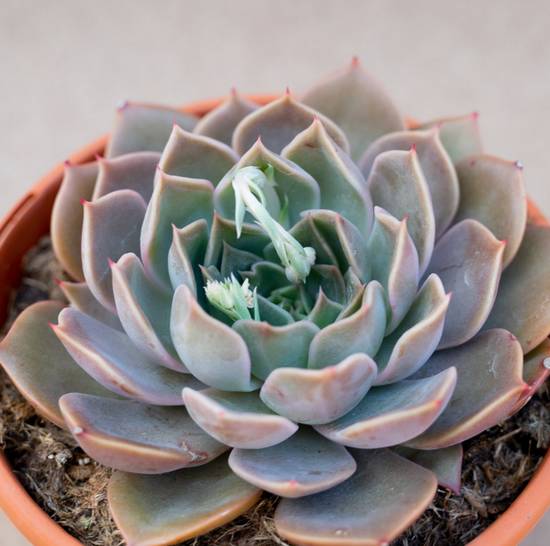
🎨 Appearance: Pink-orange bell-shaped flowers borne on a long floral stem.
🕑 Duration: 2 to 3 weeks depending on conditions.
✂️ Cut the flower stalk after blooming to strengthen the rosette.