Cleistocactus Morawetzianus
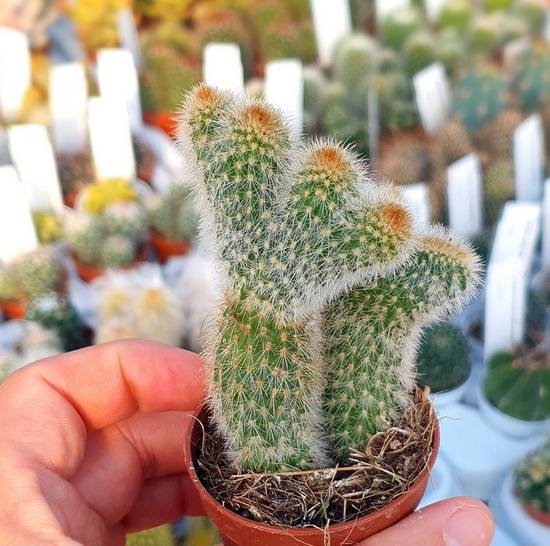
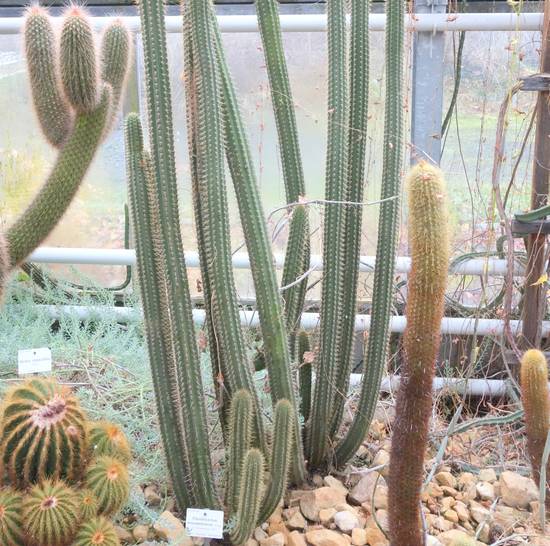
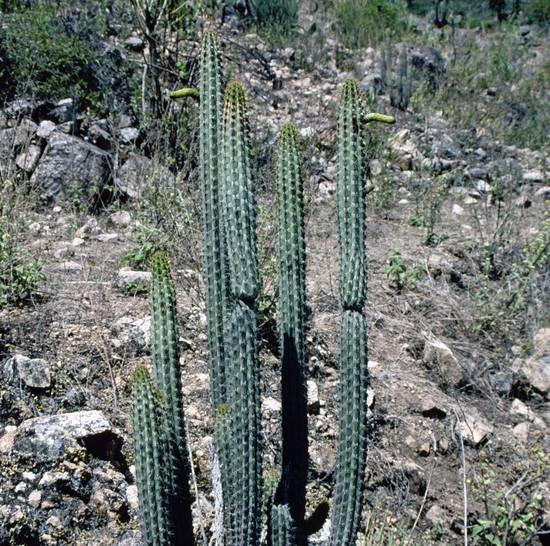
Cleistocactus Morawetzianus is an elegant columnar cactus native to the Peruvian Andes, admired for its long slender stems covered with a cloak of fine, silky spines. It embodies the wild beauty of high-altitude landscapes, where it grows in impressive colonies. Its upright habit and graceful silhouette make it a prized ornamental cactus, suitable for both dry gardens and pot cultivation.
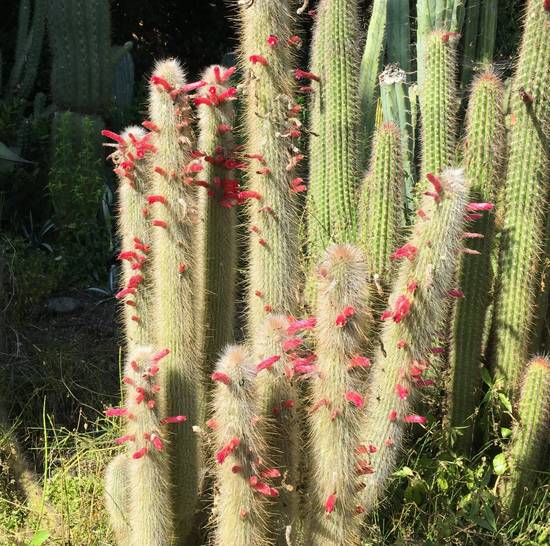
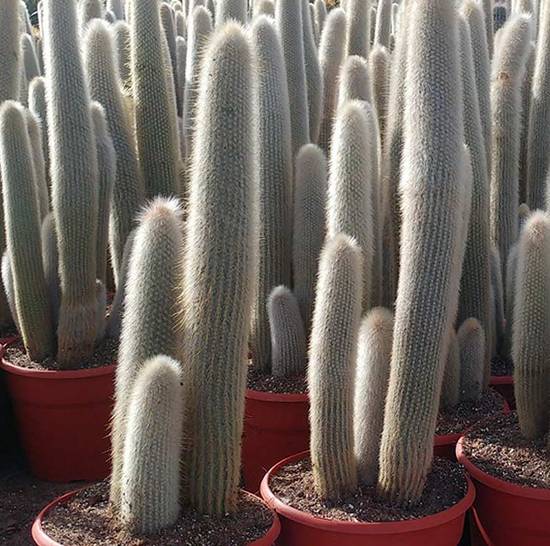
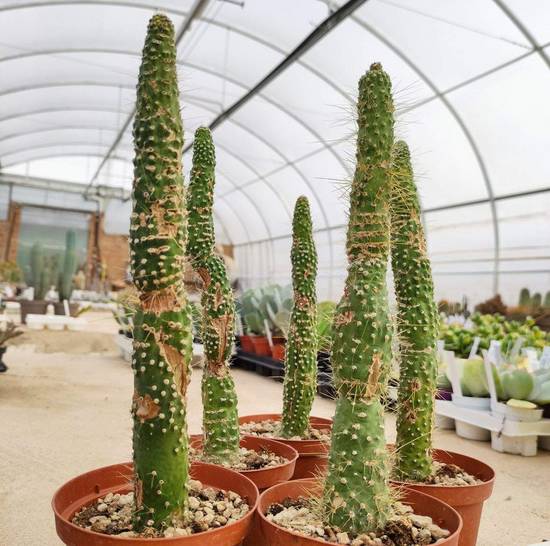
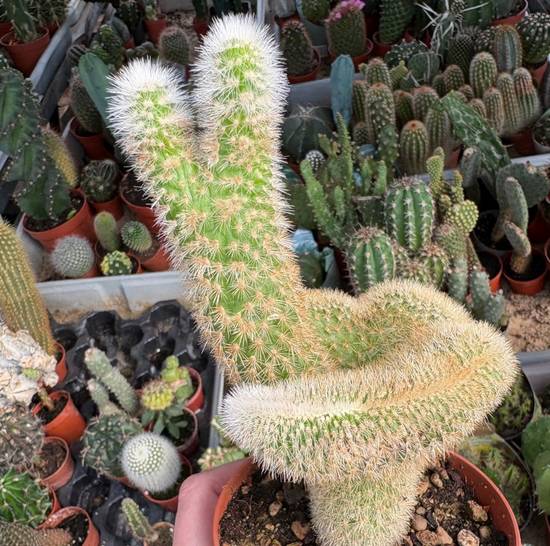
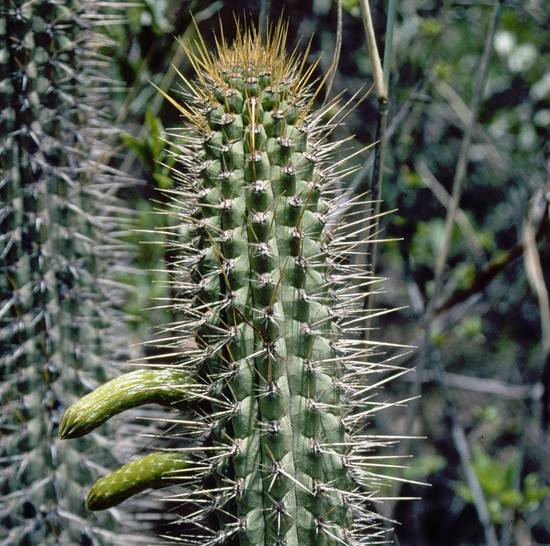
Its cylindrical stems, which can exceed 2 meters in open ground, range from bluish-green to gray-green and are marked by numerous regular ribs. The closely spaced areoles bear a dense array of fine golden to white spines, giving the plant an almost velvety appearance from a distance. This dense covering protects Cleistocactus Morawetzianus from intense sun and temperature variations in its native habitat.
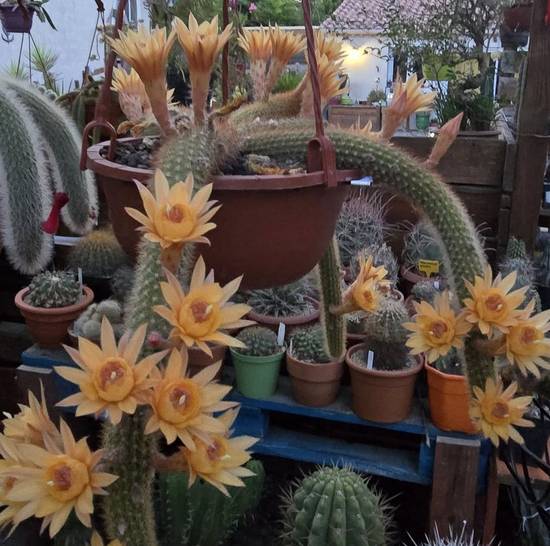
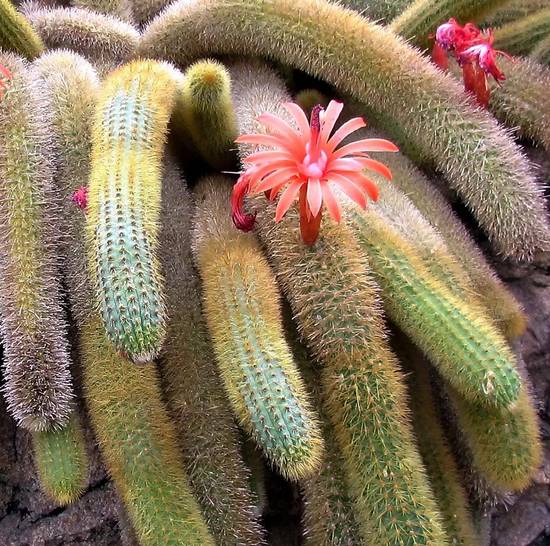
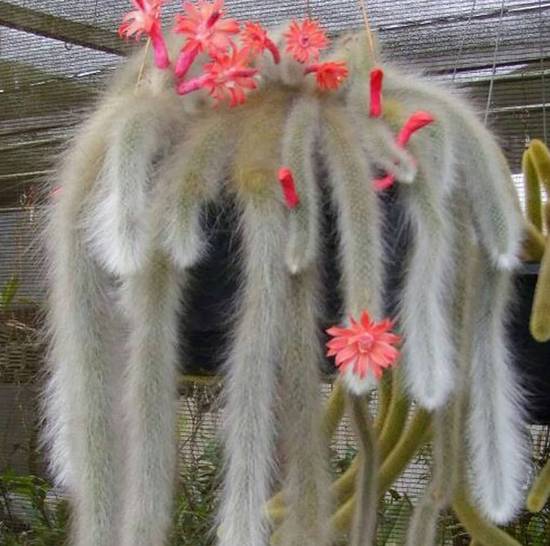
In spring and summer, it produces superb tubular red-orange flowers that stand out beautifully against the pale background of its spines. These flowers, typical of the Cleistocactus genus, do not open fully and are adapted to pollination by hummingbirds in the wild.
🌞 Ideal exposure: full sun or at least 6 hours of direct light per day.
🌤️ In very hot climates: provide light shade during the hottest hours to prevent excessive drying of young shoots.
💡 Good exposure promotes harmonious growth and abundant flowering.
💧 Spring / summer: water every 15 to 20 days, allowing the substrate to dry completely between waterings.
🍂 Autumn / winter: greatly reduce or stop watering if temperatures are cool (below 10°C).
⚠️ Absolutely avoid stagnant moisture, which causes root rot.
🌡️ Ideal: 18 to 28°C during the growing season.
❄️ Minimum: down to -5°C when dry, but in pots it is preferable to protect it below 5°C.
🏠 Bright and dry overwintering stimulates future flowering.
🪨 Recommended mix: 40% cactus soil + 30% perlite + 30% pozzolana
This mix promotes perfect drainage and limits the risk of root diseases.
🌸 Period: spring and summer.
🎨 Color: bright red-orange, sometimes tending toward pink.
🕑 Duration: each flower lasts a few days, but several may appear simultaneously.
💡 Optimal exposure and moderate water stress encourage flowering.