Cleistocactus Jujuyensis
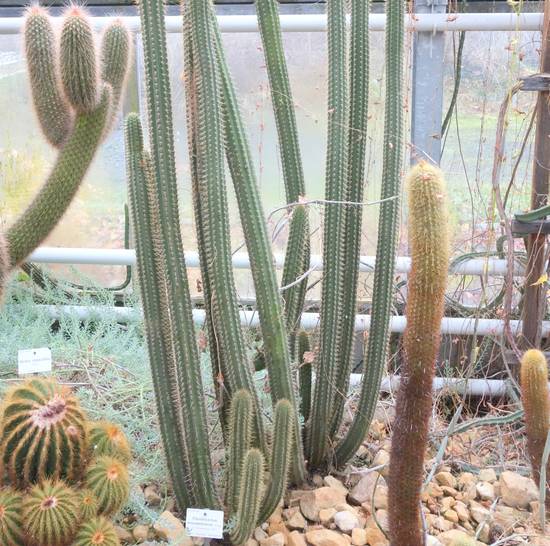
The Cleistocactus Jujuyensis is a slender, elongated, often branching columnar cactus native to the highlands of Argentina. Highly prized for its elegant silhouette and rapid vertical growth, it appeals both to dry-garden enthusiasts and collectors of South American cacti.
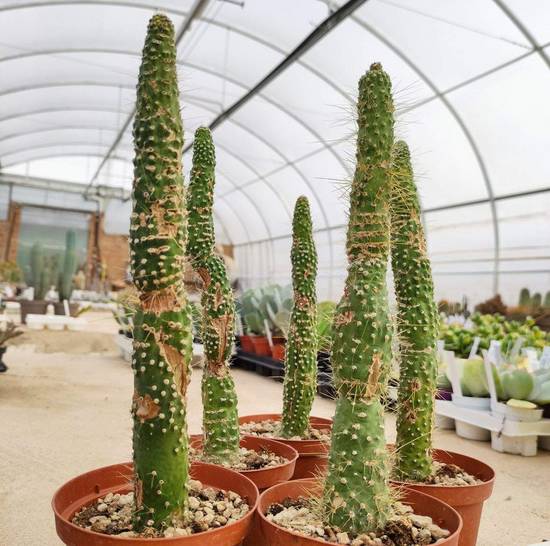
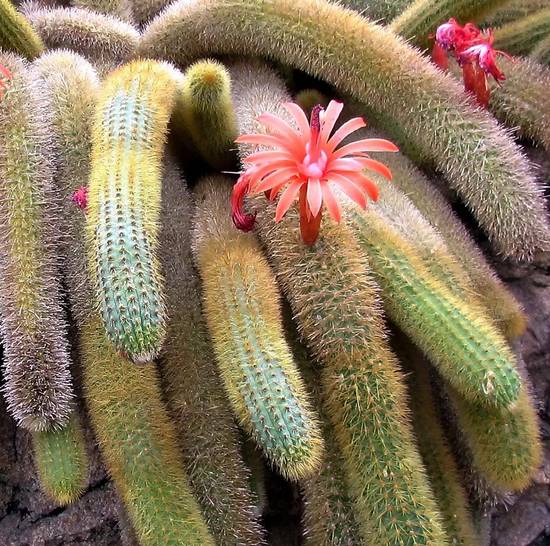
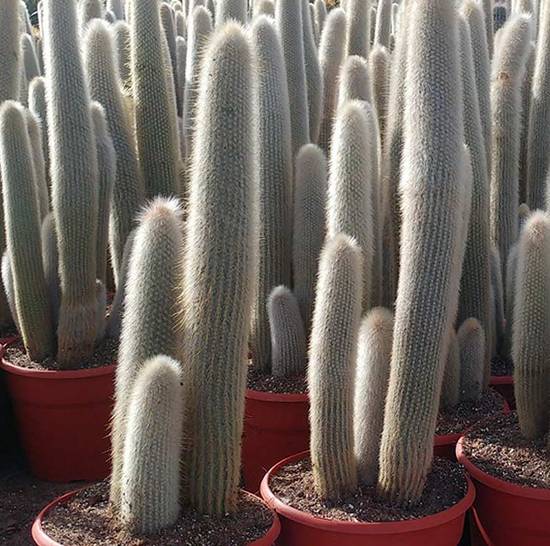
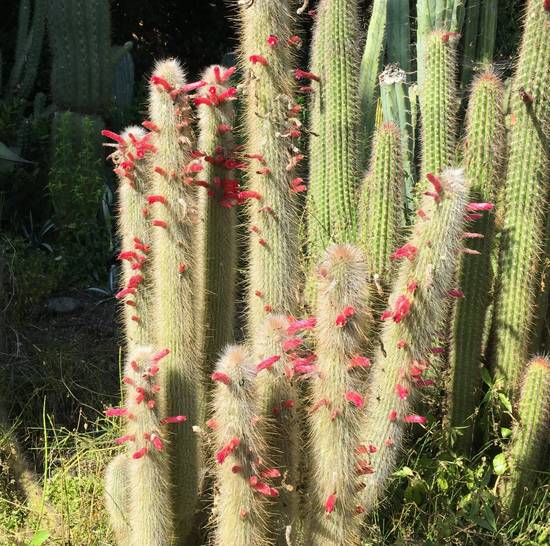
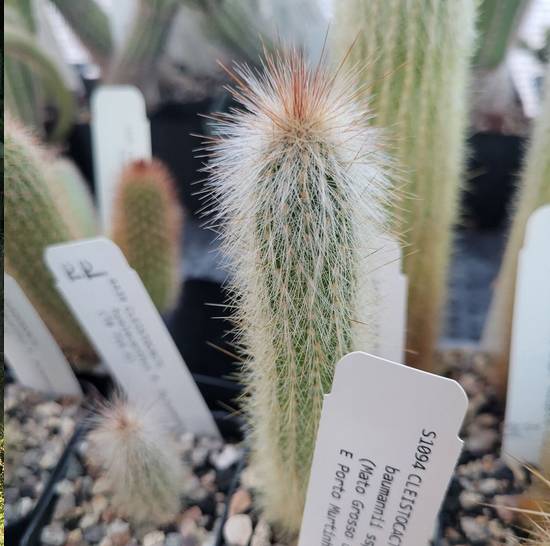
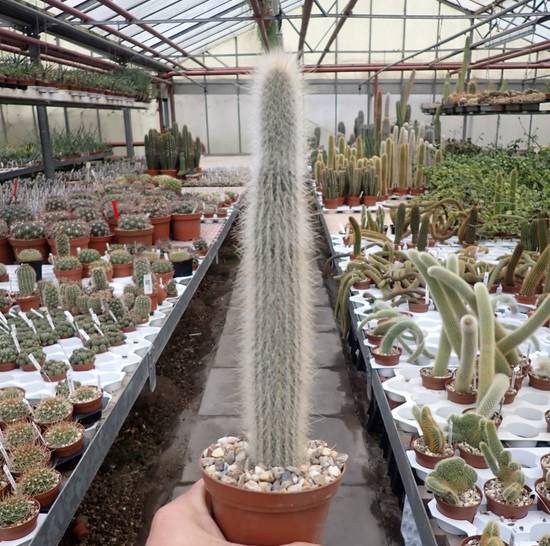
Its stem, green to dark green, can reach up to 1.5 meters tall in a pot, and much more in the ground. It is covered with numerous areoles bearing soft, fine spines, yellow-gold to brownish in color. These spines give it a fuzzy appearance from a distance while remaining relatively harmless to the touch.
With age, the Cleistocactus Jujuyensis develops several basal branches, forming small, very aesthetic vertical clumps. It is a hardy, easy-to-grow cactus that only requires minimal care to thrive and produce its magnificent tubular flowers.
This adaptation gives it great resistance to drought and to significant temperature differences between day and night.
🌞 Direct sunlight: It tolerates full sun very well and needs it to develop harmoniously.
🌤️ Transition: If purchased indoors, gradually acclimate it outdoors to avoid sunburn.
💡 Tip: A south or south-east exposure is ideal. Light promotes not only vertical growth but also flowering.
🌱 Spring / Summer: Water about every 2 to 3 weeks depending on temperature. Always wait until the substrate is completely dry.
🍂 Autumn / Winter: Strongly reduce or completely stop watering once temperatures drop below 12 °C.
⚠️ Warning: Excess moisture can cause collar rot. Too little water is better than too much.
🌞 Ideal temperature: 20°C to 30°C
❄️ Cold resistance: down to -5 °C occasionally if the soil is perfectly dry
🏠 Overwintering: Indoors in an unheated but bright space, or in a cold greenhouse.
🪨 Recommended substrate: 50% cactus potting mix, 25% pumice, 25% pozzolana.
💡 An unglazed terracotta pot promotes better root aeration.
🌼 Season: Spring or summer, depending on exposure.
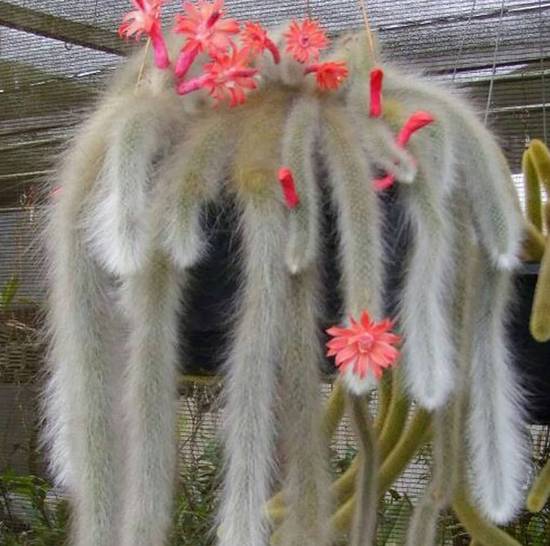
🎨 Color: Bright red to coral pink.
🕑 Duration: A few days, but several buds may open successively.
🐝 Flowers are pollinated by hummingbirds and insects in their natural habitat.