Cleistocactus Morawetzianus Cristata
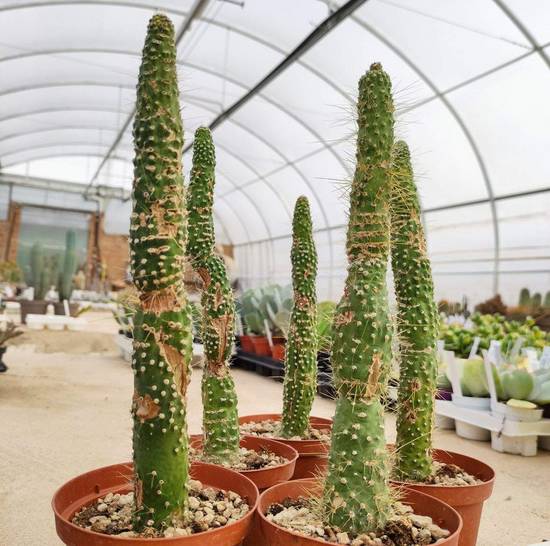
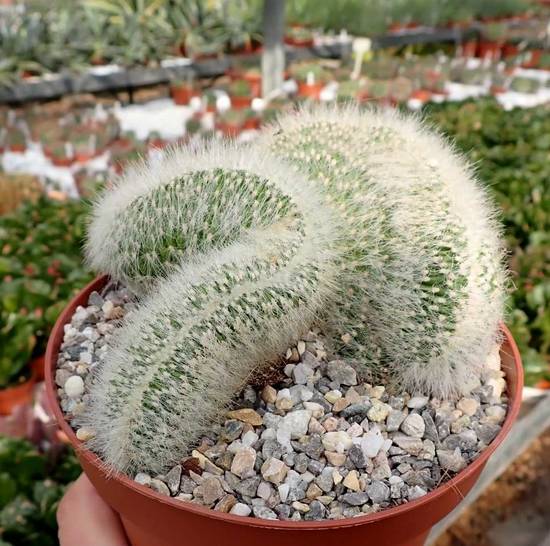
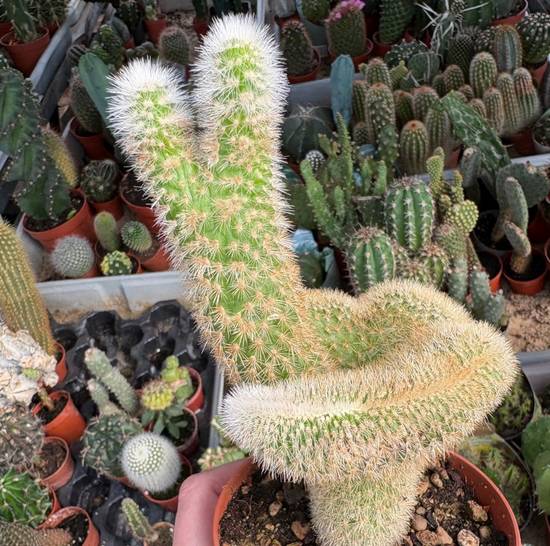
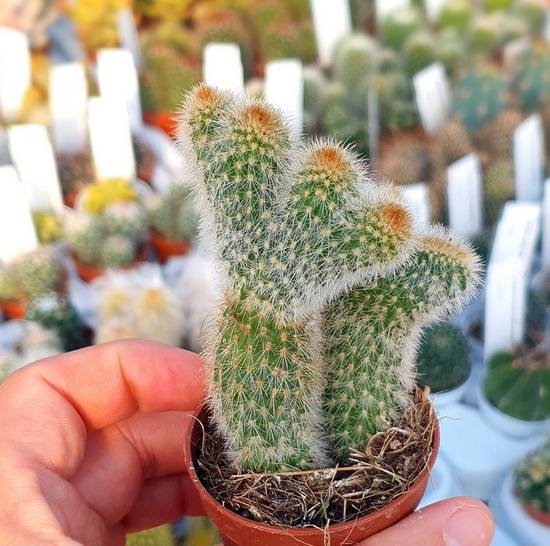
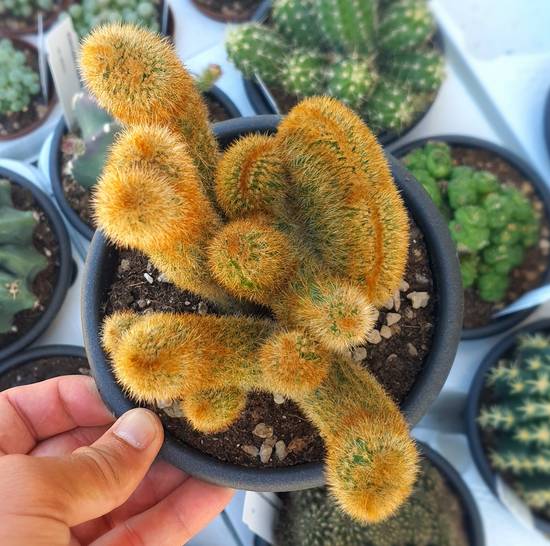
Cleistocactus Morawetzianus Cristata is a fascinating and rare form of Cleistocactus Morawetzianus, where growth no longer occurs in straight stems but in spectacular undulating crests. This natural mutation, known as “cresting,” transforms the usual vertical silhouette into a living sculpture with irregular curves. A true collector’s piece, it immediately draws attention with its unique shapes and silky spines.
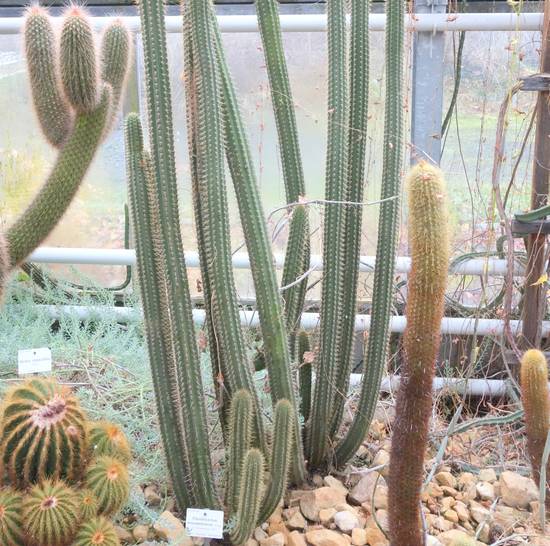
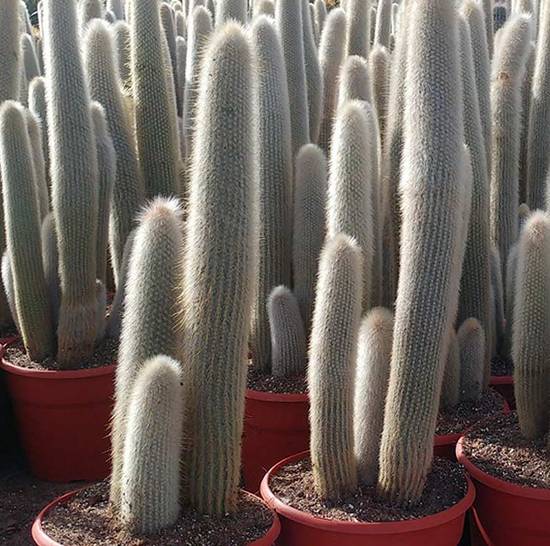
Native to the Andean regions of Peru, it originates from a species accustomed to growing at altitude in a dry and sunny climate. Its crested form remains compact and dense, making it particularly suitable for pot cultivation or cactus arrangements. The bluish-green epidermis, covered with a fine coat of golden to white spines, gives Cleistocactus Morawetzianus Cristata an almost silvery appearance.
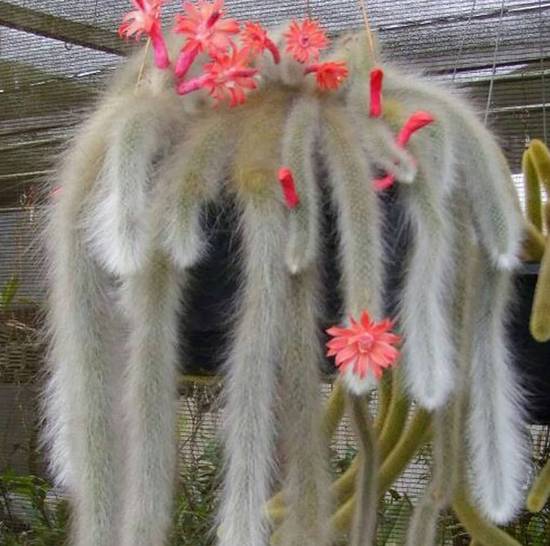
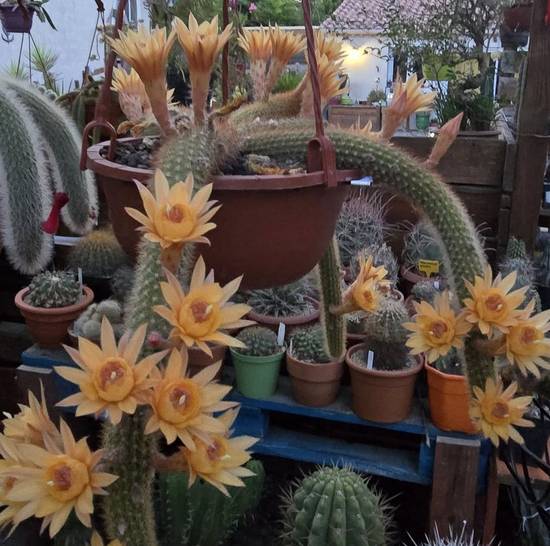
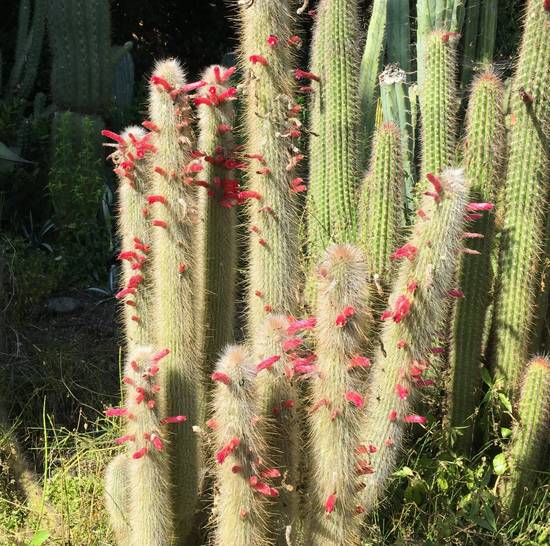
This variety is mainly grown for its aesthetics, but it can also produce, when mature, small red-orange tubular flowers typical of the genus. These flowers contrast beautifully with the crested habit and add an extra touch of originality.
🌞 Ideal exposure: full sun or direct light for several hours per day.
🌤️ In very hot climates: light protection during the hottest hours to avoid excessive stress on young tissues.
💡 Good exposure strengthens spine density and enhances silvery tones.
💧 Spring / summer: water every 15 to 20 days, only when the substrate is perfectly dry.
🍂 Autumn / winter: greatly reduce or stop completely if temperatures drop below 10°C.
⚠️ Excess water is the main cause of loss for this variety.
🌡️ Ideal: 18 to 28°C during the growing period.
❄️ Minimum: down to -5°C when dry, but prolonged frost should be avoided.
🏠 In winter, a bright and cool location is ideal to encourage flowering the following spring.
🪨 Recommended mix: 40% cactus soil + 30% perlite + 30% pozzolana
This mix mimics its native soil and prevents excess moisture.
🌸 Period: late spring to summer.
🎨 Color: bright red-orange.
🕑 Duration: a few days per flower, but several may bloom successively.
💡 Flowering is more likely when the plant is mature, well exposed, and has benefited from a dry winter rest.