Cleistocactus Jujuyensis Cristata
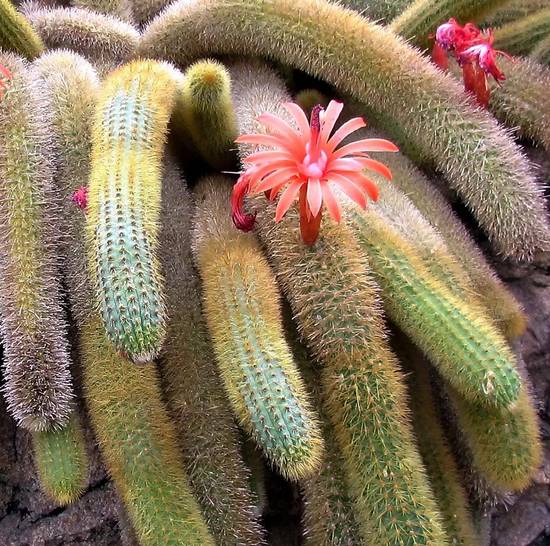
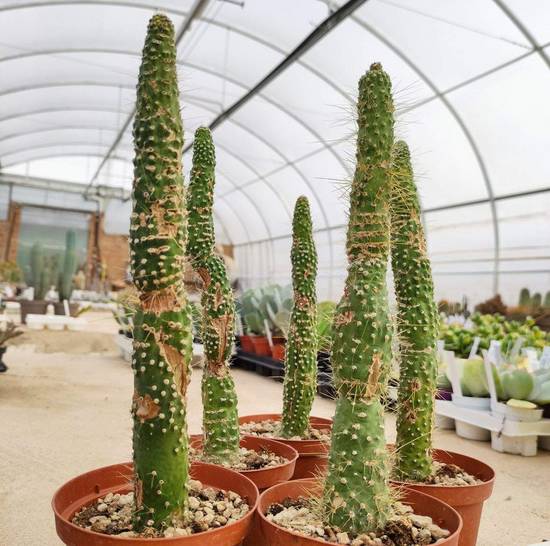
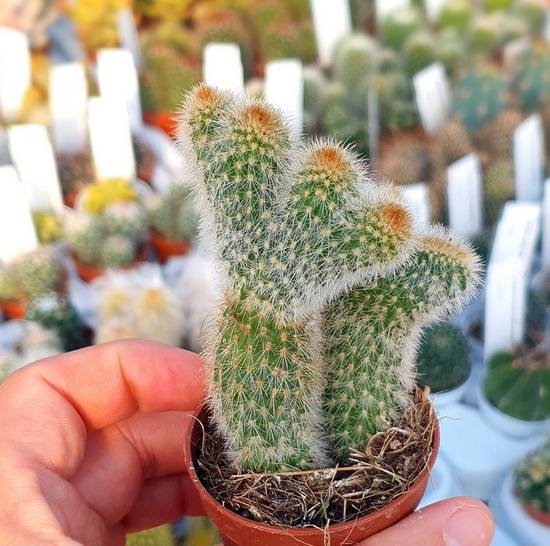
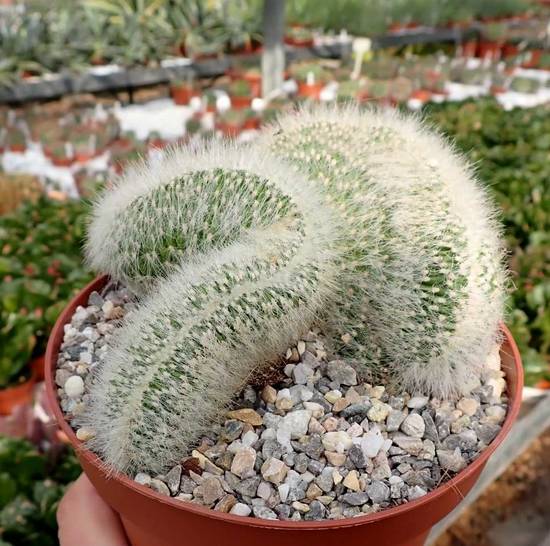
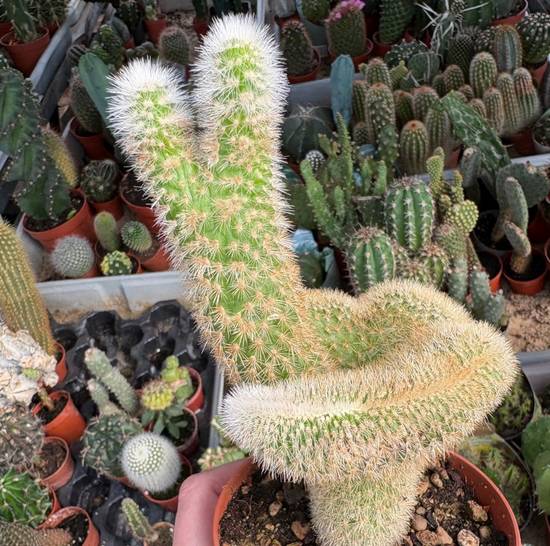
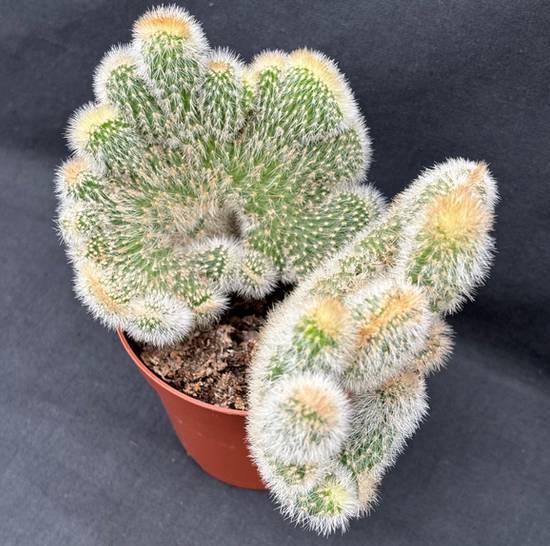
The Cleistocactus Jujuyensis Cristata is a fascinating and uncommon form resulting from a growth mutation of the Cleistocactus Jujuyensis classic. Instead of developing straight, cylindrical stems, it forms sinuous and undulating crests, offering a spectacular visual display that sometimes resembles a natural sculpture.
This collector cactus draws attention with its unique crested habit, its winding ridges covered with fine golden to copper-colored spines, and its almost woolly texture on new growth. Each specimen is completely unique: no two Cleistocactus Jujuyensis Cristata are alike.
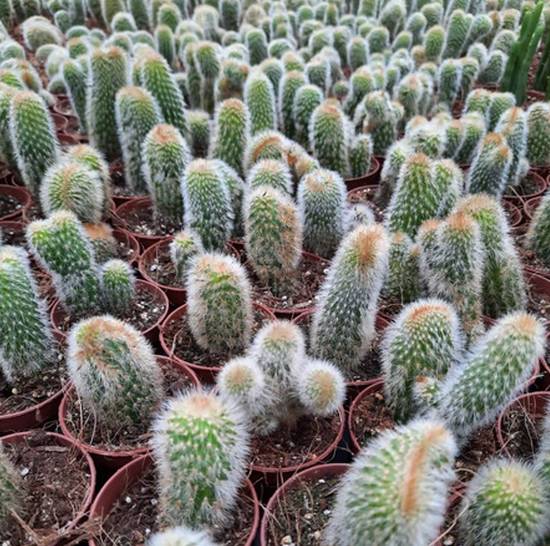
The Cleistocactus Jujuyensis grows naturally in northwestern Argentina, particularly in the mountainous region of Jujuy. It develops on rocky slopes between 1500 and 3000 meters in altitude, exposed to a sunny, dry and windy climate.
This crested form, genetically unstable, is almost never found in nature. It is the result of horticultural selections or spontaneous mutations, sometimes triggered by stress at an early growth stage.
This crested form, genetically unstable, is almost never found in nature. It is the result of horticultural selections or spontaneous mutations, sometimes triggered by stress at an early growth stage.
The Cleistocactus Jujuyensis Cristata loves light but requires some protection:
🌞 Ideal exposure: full sun or very bright light indoors.
🌤️ In summer: avoid direct midday sun, especially on sensitive young growth.
🏡 Tip: a veranda or a south-facing windowsill is perfect.
🌞 Ideal exposure: full sun or very bright light indoors.
🌤️ In summer: avoid direct midday sun, especially on sensitive young growth.
🏡 Tip: a veranda or a south-facing windowsill is perfect.
Like all crested forms, this cactus is sensitive to excess moisture, especially in the crests:
🌱 Spring / summer: moderate watering every 15–20 days, only when the substrate is completely dry.
🍂 Autumn / winter: almost no watering. A very light monthly watering may be sufficient indoors.
⚠️ Warning: water stagnating in the folds of the crests can cause internal rot.
🌱 Spring / summer: moderate watering every 15–20 days, only when the substrate is completely dry.
🍂 Autumn / winter: almost no watering. A very light monthly watering may be sufficient indoors.
⚠️ Warning: water stagnating in the folds of the crests can cause internal rot.
The Cleistocactus Jujuyensis Cristata is hardy in dry and warm climates:
🌡️ Optimal temperature: between 20°C and 30°C.
❄️ Minimum tolerated: down to 0°C in dry soil. In pots, avoid going below 5°C.
🏠 Overwintering: bring indoors to a bright location when temperatures drop below 8°C.
🌡️ Optimal temperature: between 20°C and 30°C.
❄️ Minimum tolerated: down to 0°C in dry soil. In pots, avoid going below 5°C.
🏠 Overwintering: bring indoors to a bright location when temperatures drop below 8°C.
To prevent moisture accumulation in the hollow parts of the crests:
🪨 Ultra-draining substrate: 50% cactus potting soil, 30% pozzolana, 20% perlite or coarse sand.
💡 Tip: do not compact the substrate too much to allow proper aeration.
🪨 Ultra-draining substrate: 50% cactus potting soil, 30% pozzolana, 20% perlite or coarse sand.
💡 Tip: do not compact the substrate too much to allow proper aeration.
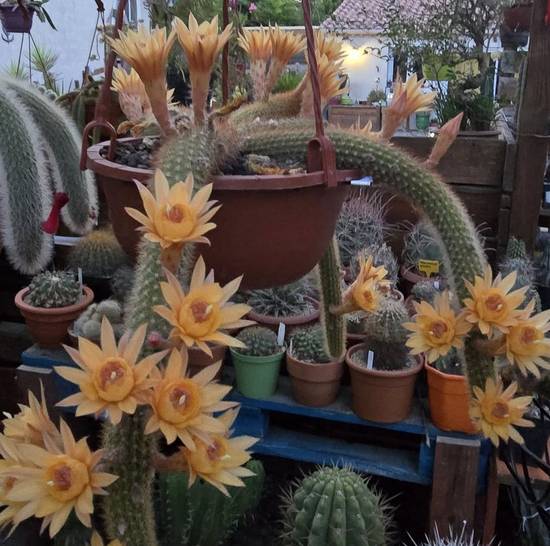
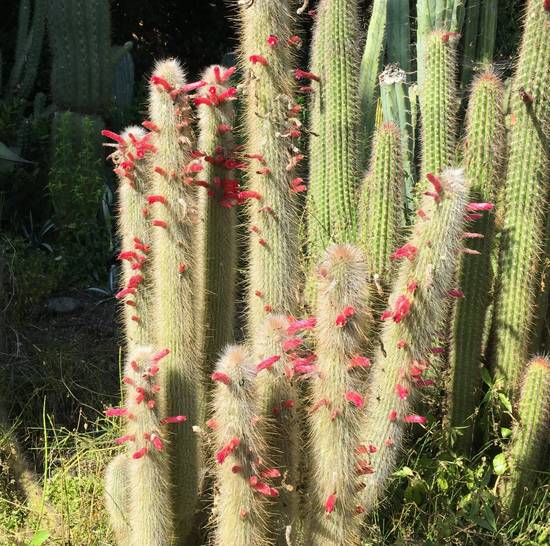
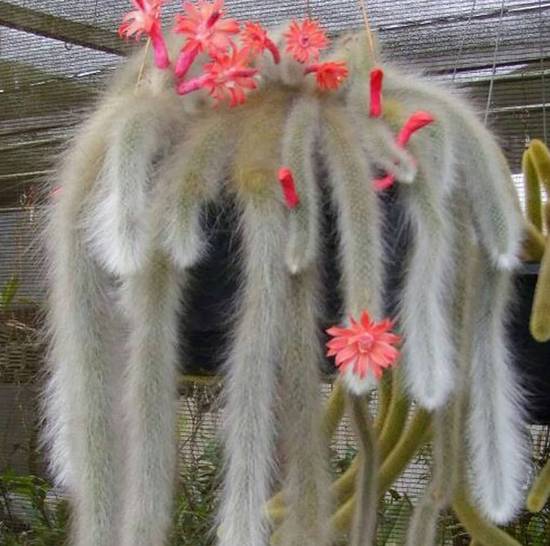
The Cleistocactus Jujuyensis Cristata flowers rarely, but may produce small tubular flowers typical of the genus:
🌺 Season: usually in summer.
🎨 Color: orange-red to bright pink.
🕑 Duration: a few days.
🌱 Conditions: strong sunlight, a mature plant and slight water stress are required to trigger flowering.
🌺 Season: usually in summer.
🎨 Color: orange-red to bright pink.
🕑 Duration: a few days.
🌱 Conditions: strong sunlight, a mature plant and slight water stress are required to trigger flowering.
FAQ - Cleistocactus Jujuyensis Cristata
What substrate should be used for Cleistocactus Jujuyensis Cristata?
A very well-draining substrate is essential. A mix of cactus potting soil, pozzolana, and coarse sand is recommended to prevent water retention in the crests.
Can Cleistocactus Jujuyensis Cristata be left outdoors in winter?
No, especially not in pots. It is best to bring the plant indoors as soon as temperatures drop below 8°C.
Does Cleistocactus Jujuyensis Cristata grow quickly?
No. The crested form grows more slowly than the standard Cleistocactus, mainly due to the irregular structure of its tissues.
Should Cleistocactus Jujuyensis Cristata be pruned?
Never! Pruning can damage the crest and cause non-crested regrowth.
What fertilizer should be used for Cleistocactus Jujuyensis Cristata?
A very light application of a specific cactus fertilizer, such as Undergreen Jungle Fever, once a month in spring and summer is sufficient.
How can rot in Cleistocactus Jujuyensis Cristata be recognized?
The crests become soft, discolored, or even blacken. In this case, cut the affected part and repot in healthy substrate.
Is this plant suitable for beginners?
Not really. It requires good control of watering and a carefully managed environment.
Can Cleistocactus Jujuyensis Cristata be propagated?
Only by taking cuttings from crested segments, but it is delicate. Success is not guaranteed.
How can Cleistocactus Jujuyensis Cristata be distinguished from other crested forms?
By the color of the areoles, the density of the copper-colored spines, and the crest growth pattern.
Why is my Cleistocactus Jujuyensis Cristata becoming "normal"?
Sometimes non-crested shoots appear. They must be removed to preserve the crested appearance.