Aloé Vera

Aloé Vera
Aloé Vera
Aloé Vera
Aloé Vera

Aloé Vera

The Aloe Vera is undoubtedly one of the most iconic succulent plants in the world, known both for its decorative appeal and its medicinal properties. Easy to care for, aesthetic and useful, it has conquered balconies, living rooms and gardens of plant lovers and beginners alike.

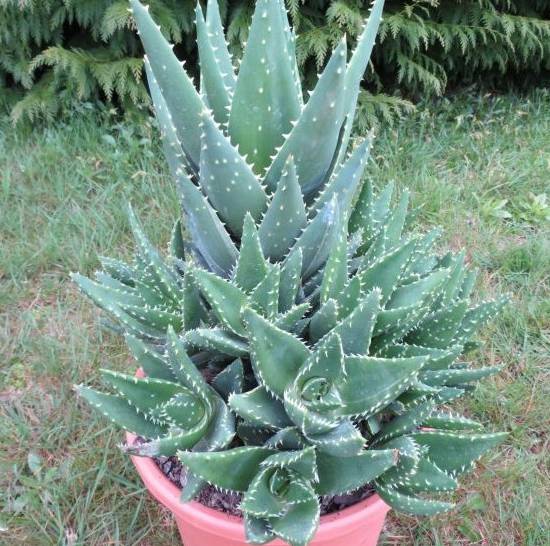
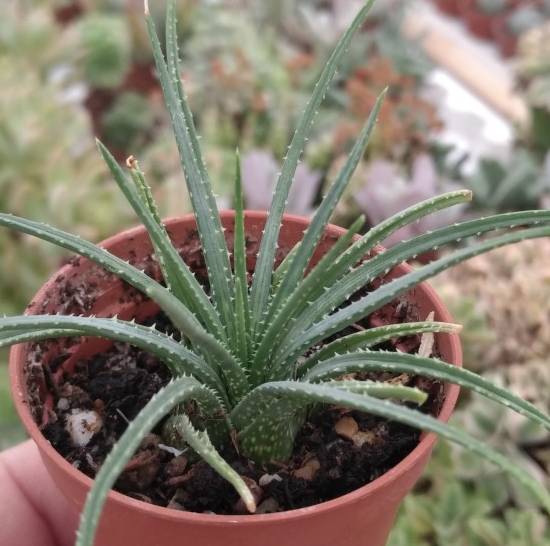
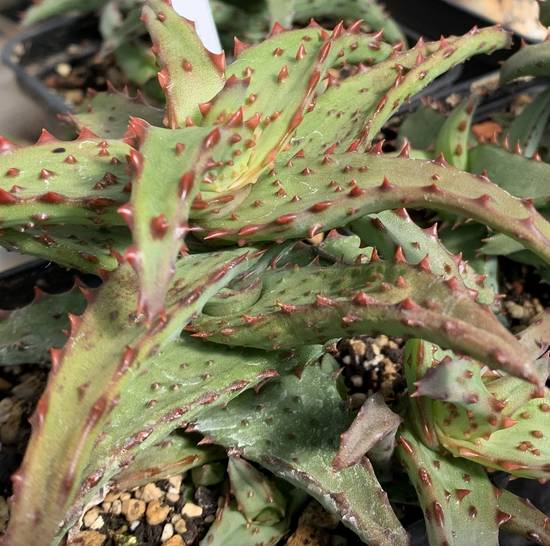
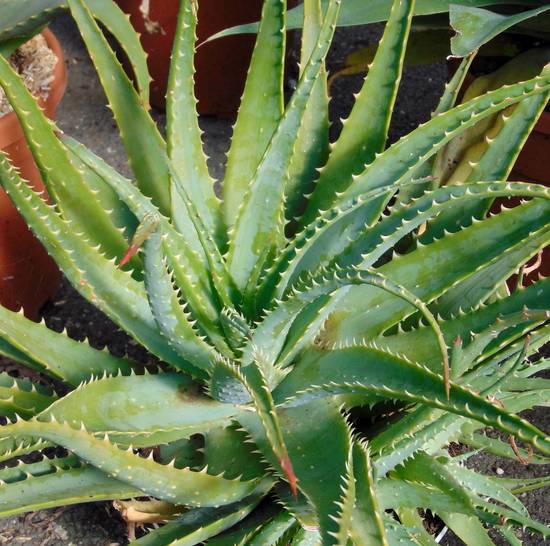
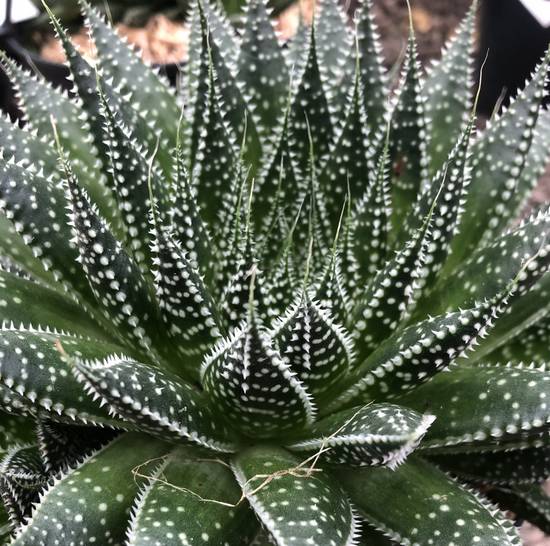
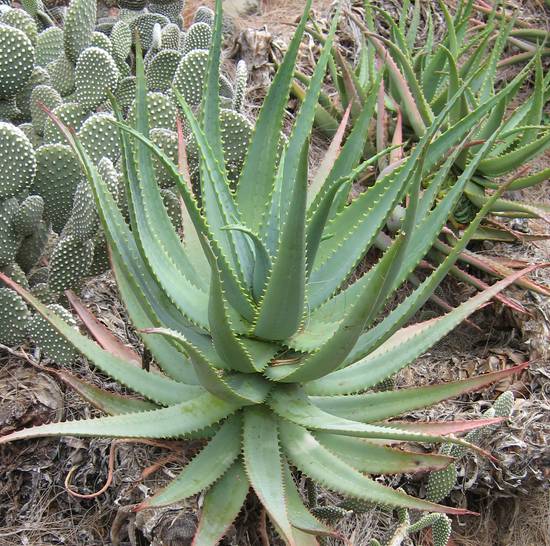
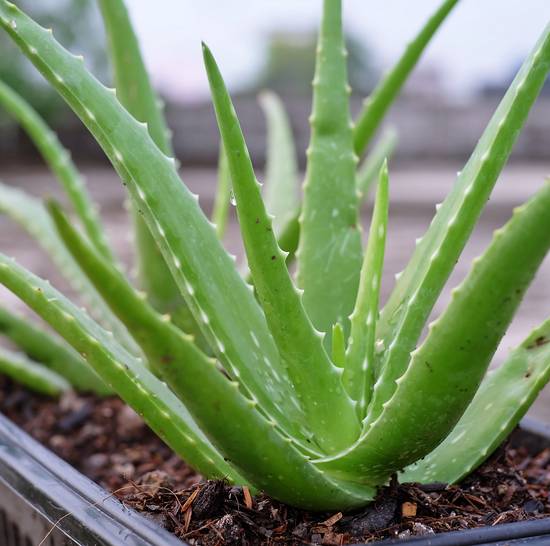
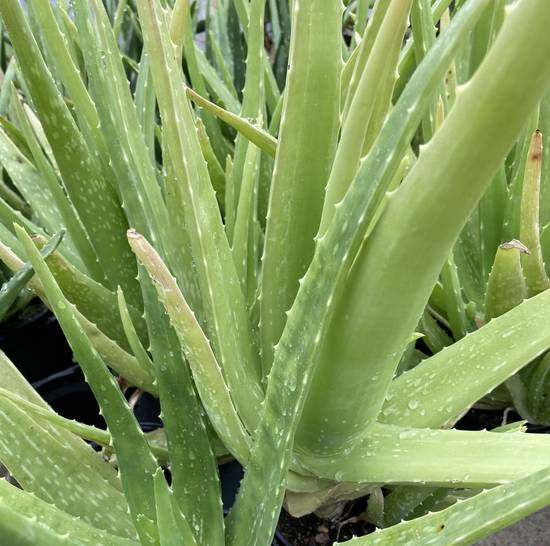
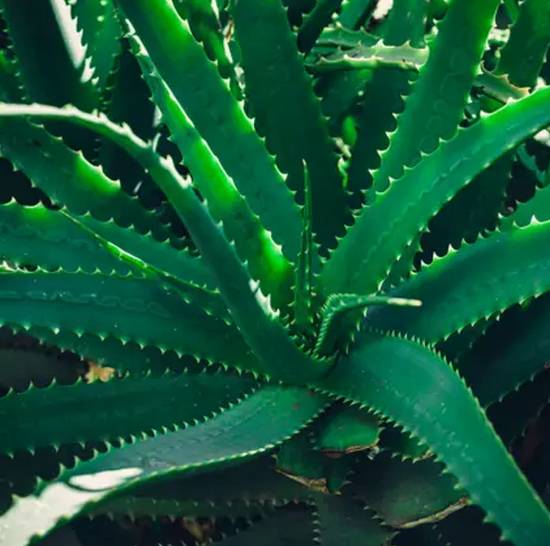
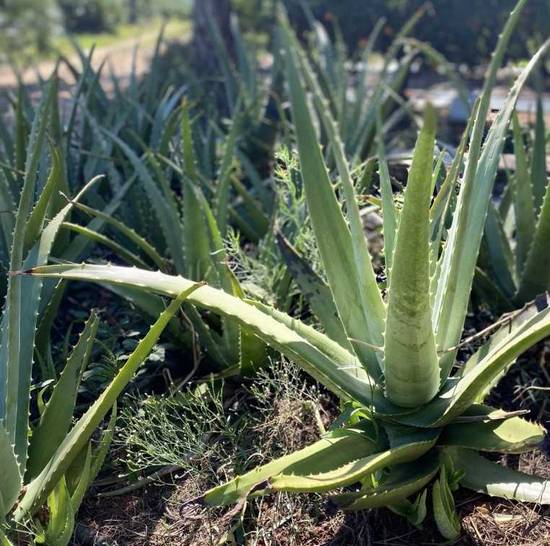
Its thick, fleshy leaves arranged in a rosette range from soft green to bluish green, sometimes speckled with small white spots depending on the age of the plant. They contain a transparent gel highly valued for its moisturizing, healing and soothing properties.

Native to the arid regions of North Africa and the Arabian Peninsula, Aloe Vera has now adapted to many regions around the world. It thrives in hot, dry climates but also grows very well indoors, as long as light is abundant.

The Aloe Vera is native to the desert areas of North Africa, the Arabian Peninsula and probably the Canary Islands. It is now found throughout the Mediterranean region, in Asia and as far as South America.
To thrive, Aloe Vera needs plenty of light:

🌞 Indoors: Place it near a south- or west-facing window for optimal sunlight.

🌤️ Outdoors: It enjoys direct sunlight, but be careful of sunburn during intense summer heat. Light afternoon shade can be beneficial.
Aloe Vera is a succulent plant that stores water in its leaves, so watering must be moderate:

🌱 Spring / Summer: Water every 2 to 3 weeks when the soil is completely dry. Water thoroughly but without excess.

🍂 Autumn / Winter: Water once a month or less. Excess moisture in winter can cause rot.

⚠️ Use a very well-draining mix: cactus soil mixed with pumice and pumice stone.
Aloe Vera loves warmth:

🌞 Optimal temperature: between 18°C and 30°C.

❄️ Minimum temperature: Tolerates down to 5°C but does not tolerate frost. In winter, bring it indoors as soon as temperatures drop.
A well-draining substrate is the key to keeping Aloe Vera healthy:

🪨 Ideal mix: cactus soil + 30% pumice stone or pumice.
Flowering of Aloe Vera is quite rare indoors, but possible with sufficient light:

🌼 Season: Spring or summer

🎨 Flowers: Light yellow to orange, bell-shaped, borne on an upright flower stalk.
FAQ - Aloé Vera

How do I know if my Aloe Vera needs water?
An Aloe Vera that lacks water shows leaves that become thin, curled, and soft. This means the plant is using its reserves. Water moderately and adjust according to the season. Always use good cactus potting soil to ensure proper drainage.
How to recognize excess moisture in Aloe Vera?
The leaves of your Aloe Vera become translucent, soft, or even brown at the base? This is a sign of excess water. Stop watering and repot in a more draining substrate with pozzolana or pumice.
What is the ideal exposure for Aloe Vera indoors?
Aloe Vera appreciates bright light. Place it near a sunny window. A south- or west-facing orientation is ideal. Too little light can slow its growth and dull the color of its leaves.
What type of fertilizer should be used for Aloe Vera?
Use a liquid cactus fertilizer once a month during the growing period (spring/summer). This stimulates leaf development and possibly flowering.
Can Aloe Vera be placed outdoors?
Yes, Aloe Vera can spend the summer outdoors in a warm, sunny, and sheltered location. Bring it indoors as soon as temperatures drop below 10°C.
Can Aloe Vera gel be harvested?
Yes, you can harvest gel from the oldest leaves of Aloe Vera. Cut a leaf cleanly, extract the gel, and apply it to the skin. For frequent use, plan for good annual repotting with cactus potting soil.
Is Aloe Vera toxic to animals?
Yes, unfortunately, Aloe Vera is toxic to cats and dogs if they ingest the yellow latex found under the leaf skin. Keep your plant out of reach.
Which pot should be chosen for Aloe Vera?
Choose a terracotta pot with a drainage hole. This allows water to evaporate more quickly and prevents stagnation. Combine with pozzolana at the bottom of the pot to improve drainage.
How to repot an Aloe Vera?
Repot every 2–3 years, in spring. Use a slightly larger container, good cactus potting soil, and add pumice. Do not water immediately after repotting; wait 5–7 days.
What is the lifespan of an Aloe Vera?
With proper care, an Aloe Vera can live more than 10 years. It regularly produces offsets that you can replant to propagate the plant.