Aloé Castilloniae

Aloé Castilloniae
Aloé Castilloniae
Aloé Castilloniae

Aloé Castilloniae

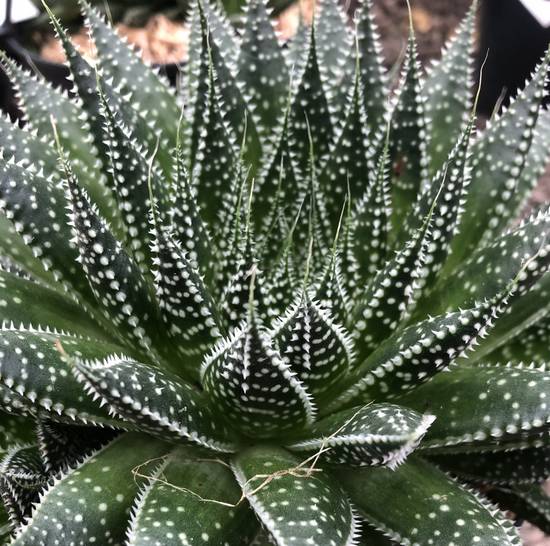
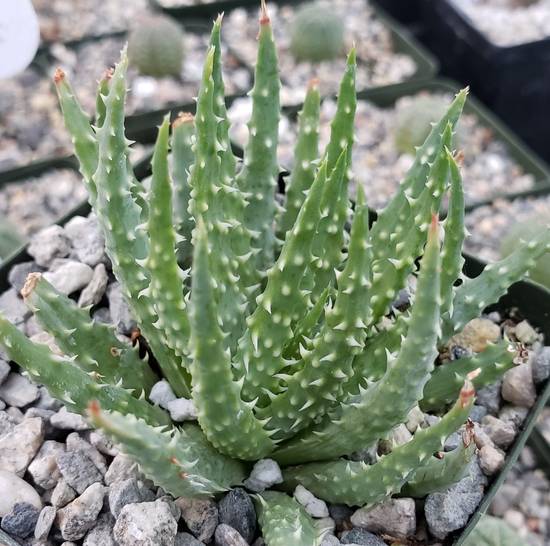
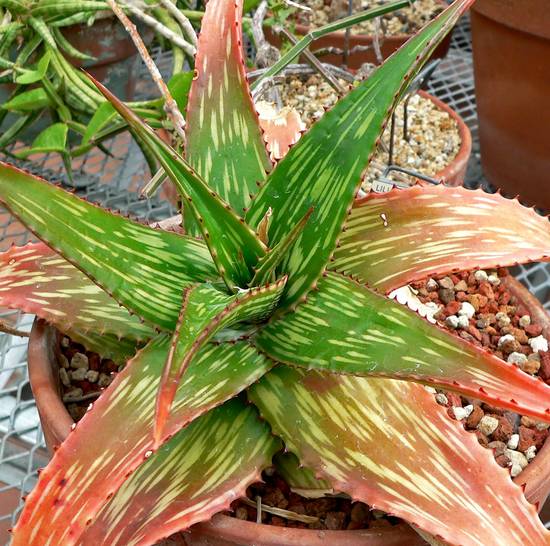
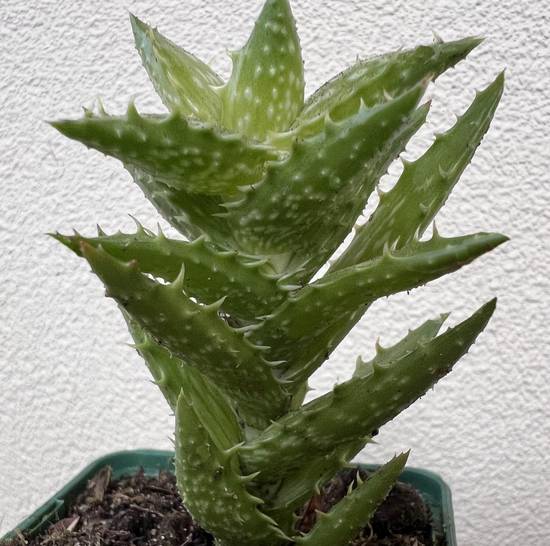
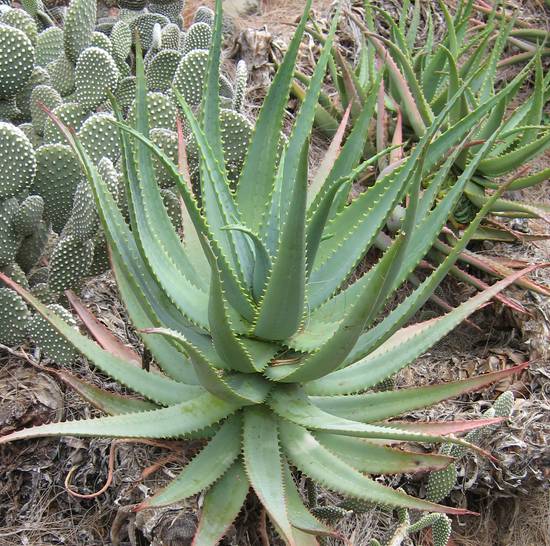
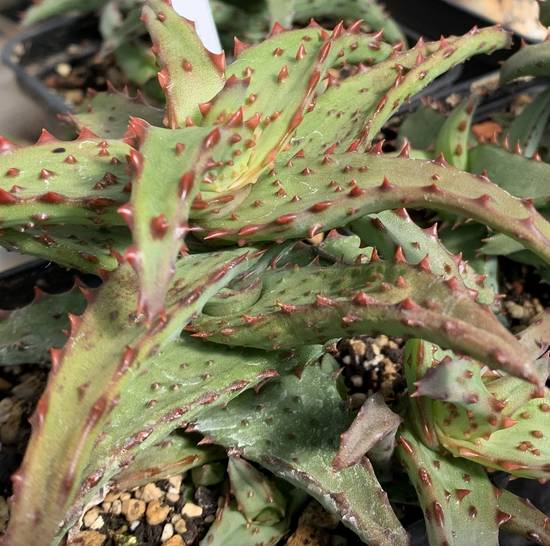
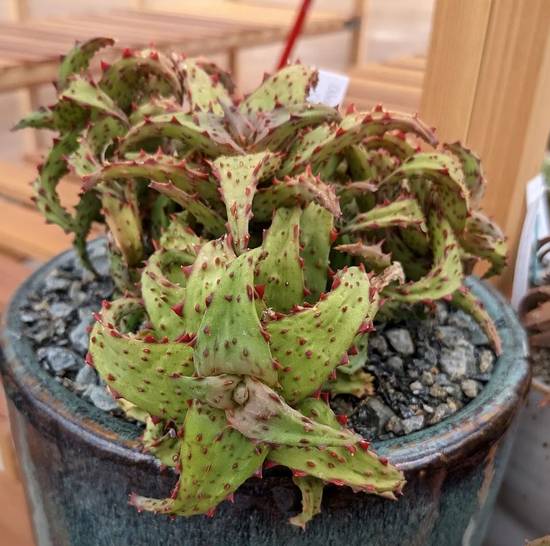
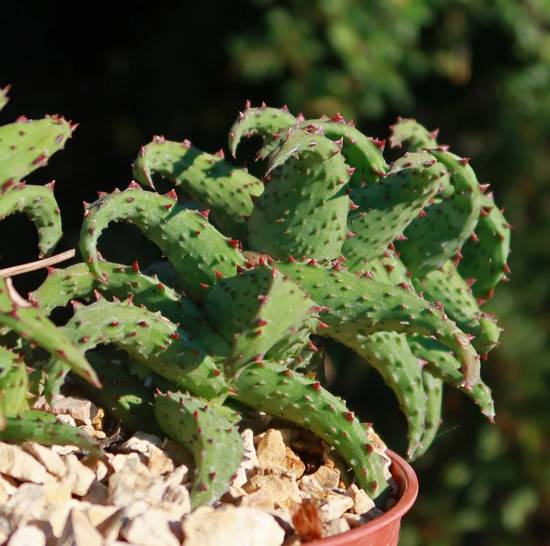
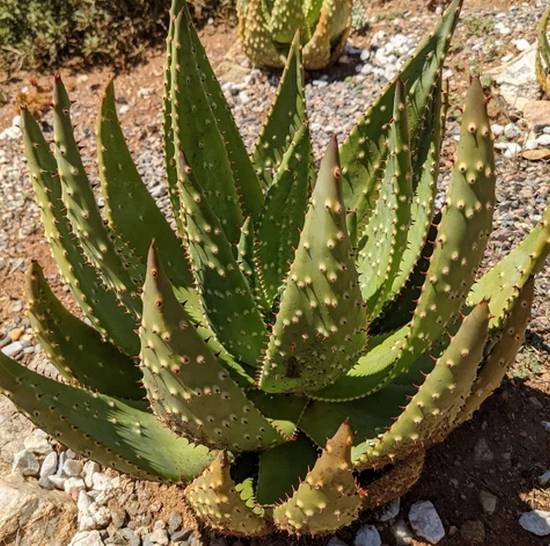
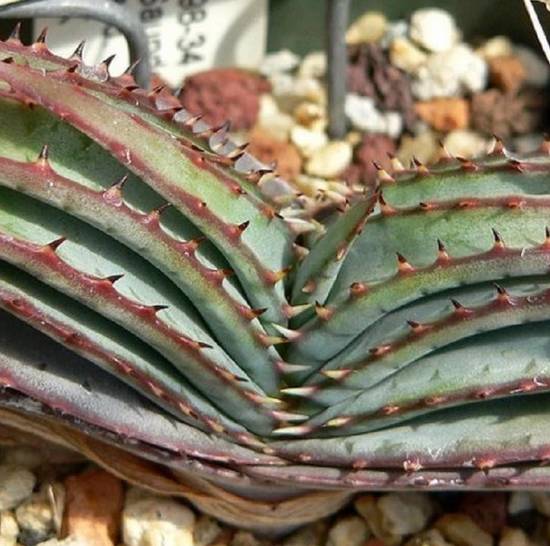
The Aloe Castilloniae is a small botanical gem native to southern Africa, highly appreciated by succulent enthusiasts for its discreet, creeping habit and finely patterned foliage. Unlike more classic aloes with a massive silhouette, it adopts a spreading form with low rosettes composed of narrow, rigid leaves edged with fine translucent teeth. Its leaves are light green to bluish green and may take on pink or purplish hues when exposed to light or water stress, enhancing its decorative appeal.

With its gradual development into small clumps, Aloe Castilloniae is ideal for surface cultivation, in wide shallow pots or along rockery edges. Its slow but steady growth makes it an easy plant to manage, perfect for those seeking a graphic touch without excessive maintenance. It is also valued for its rarity, once little known and now sought after by collectors.

Aloe Castilloniae is native to rocky and semi-desert areas of southern Mozambique and the Limpopo province in South Africa. It naturally grows on mineral soils, often between rocks where it benefits from reflected light and extreme drainage. Its adaptability to arid environments makes it a robust species.
To successfully grow Aloe Castilloniae, bright exposure is essential.

🌞 Outdoors : Place it facing south or southeast, in a very sunny location. It tolerates strong direct light, which enhances its beautiful red tones.

🌤️ Indoors : It will need a very bright window, ideally south-facing. Lack of light will cause unsightly stem elongation (etiolation).
Aloe Castilloniae is not very demanding in water, but proper watering rhythm is essential.

💧 Spring - Summer : Water once every 2 to 3 weeks, when the substrate is completely dry throughout.

❄️ Autumn - Winter : Drastically reduce watering, or stop completely if temperatures fall below 10 °C.
Adapted to arid climates, Aloe Castilloniae tolerates heat and temperature fluctuations well.

🌡️ Ideal : Between 18 °C and 28 °C.

❄️ Minimum : Can tolerate brief periods at 0 °C provided the substrate is perfectly dry, but it is recommended to bring it indoors once temperatures drop below 5 °C.
A proper substrate is key to ensuring healthy growth for Aloe Castilloniae.

🪨 Recommended mix : 50% succulent substrate, 25% perlite for aeration, and 25% pozzolana to guarantee drainage and stability.
Although discreet, the flowering of Aloe Castilloniae is always a pleasant bonus for enthusiasts.

🌸 Period : In spring or early summer.

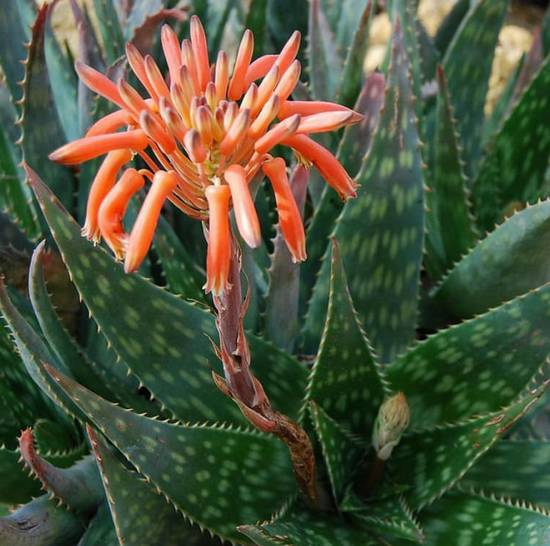
🎨 Flowers : Small, tubular, orange to red, borne on slender upright flower stalks above the rosette.

💡 Flowering is possible in pots, provided the plant benefits from excellent light and controlled water stress.
FAQ - Aloé Castilloniae

What is the ideal exposure for Aloe Castilloniae?
Aloe Castilloniae prefers very bright exposure. Outdoors, full sun is ideal, while indoors it should be placed near a well-exposed window. Good light intensifies leaf color.
What substrate should be used for Aloe Castilloniae?
Choose a very well-draining substrate made of cactus soil, perlite, and pumice. This mix supports healthy root development.
How should Aloe Castilloniae be watered properly?
During the growing season, water only when the soil is dry several centimeters deep. In winter, reduce watering to a strict minimum to prevent rot.
What temperature range suits Aloe Castilloniae?
It thrives between 18 and 28°C. It can tolerate a few degrees below 5°C if kept dry, but it is better to protect it as autumn begins.
Can Aloe Castilloniae live indoors?
Yes, provided it receives very bright light. It can be grown indoors as long as it gets at least 5 to 6 hours of direct sunlight per day.
Can Aloe Castilloniae be fertilized?
Yes, during the growing season you can apply a succulent fertilizer once a month. Avoid fertilizing in winter.
How can you recognize overwatering in Aloe Castilloniae?
Soft, translucent, or blackened leaves generally indicate overwatering. This can lead to root rot if drainage is insufficient.
Does Aloe Castilloniae produce offsets?
Yes, it tends to spread by forming secondary rosettes around the mother plant, making it an excellent ground-cover plant.
What is the mature size of Aloe Castilloniae?
It reaches 8 to 12 cm in height but can spread horizontally over several dozen centimeters thanks to its creeping stems.
Does Aloe Castilloniae bloom easily?
Under optimal conditions, yes. With plenty of light and controlled watering, it can bloom in spring with small orange flowers on slender stalks.