Aloe Comosa
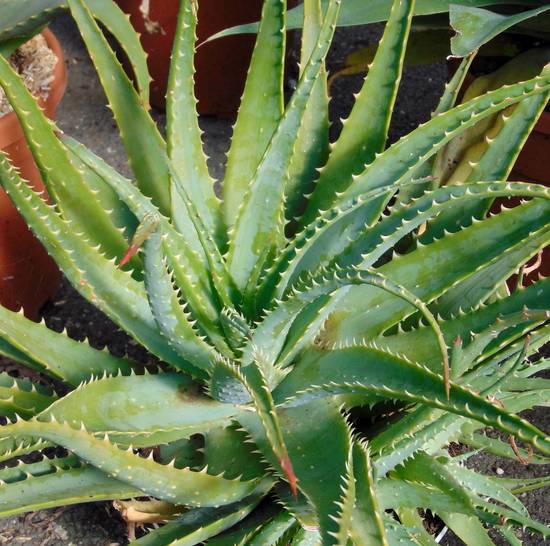
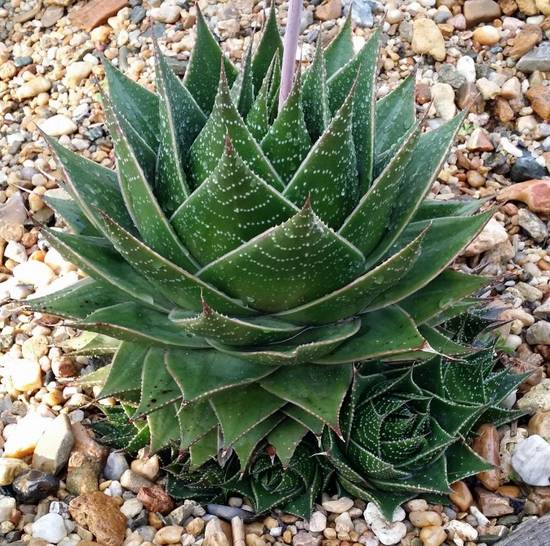
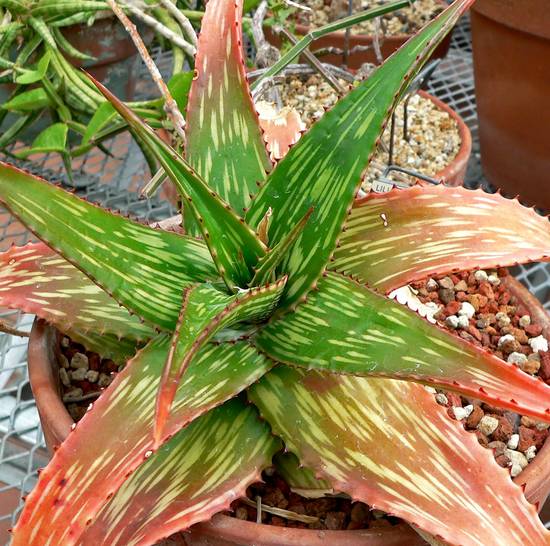
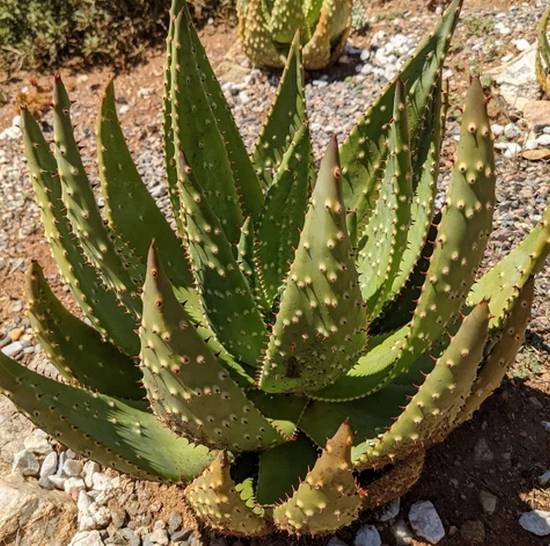
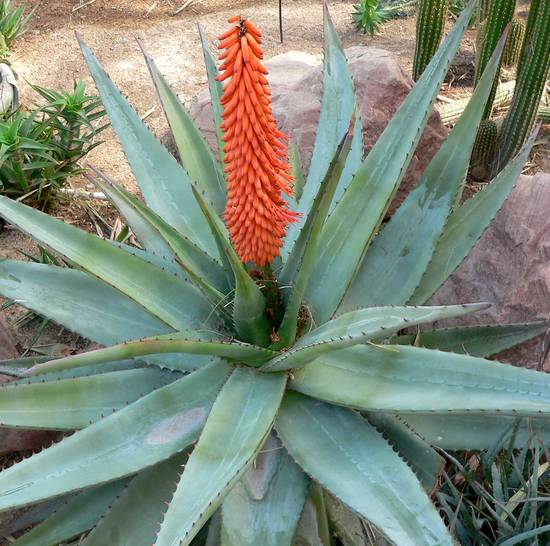
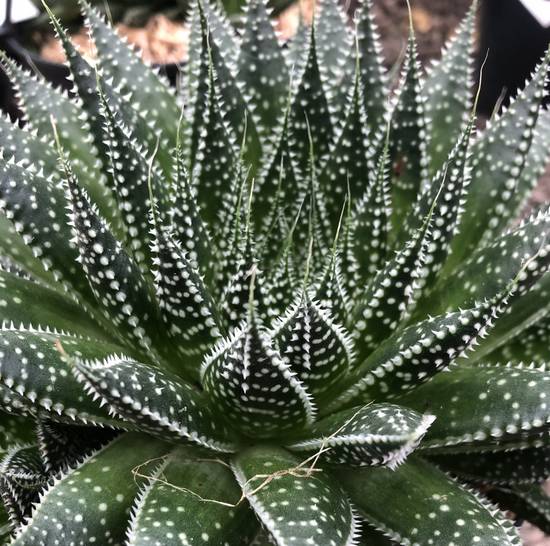
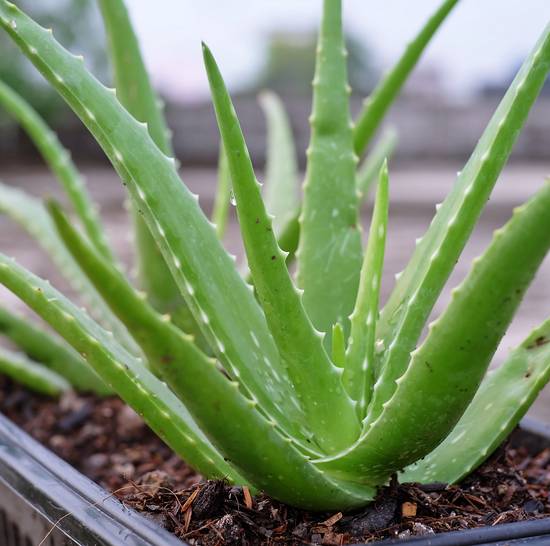
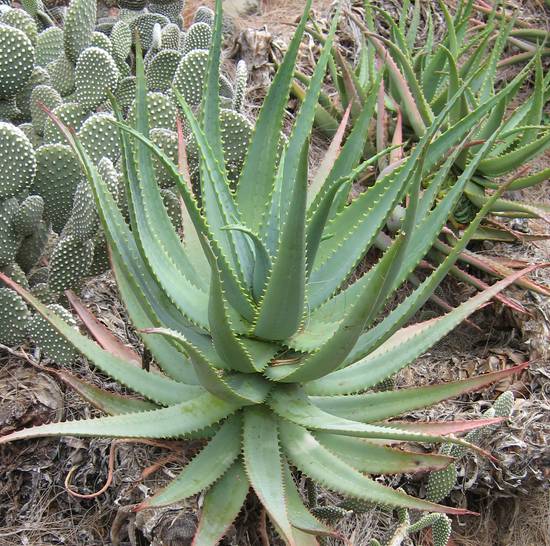
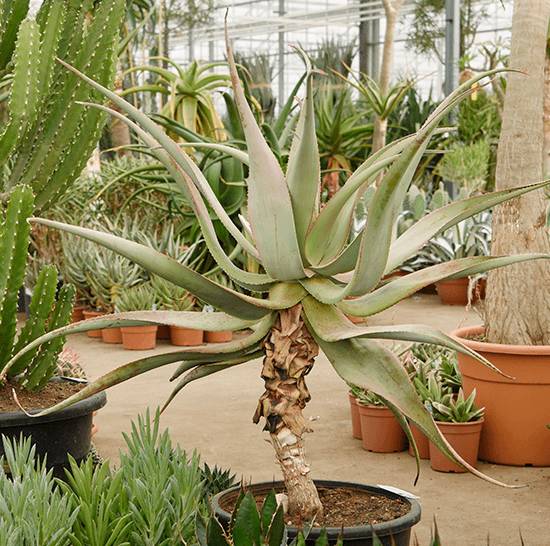
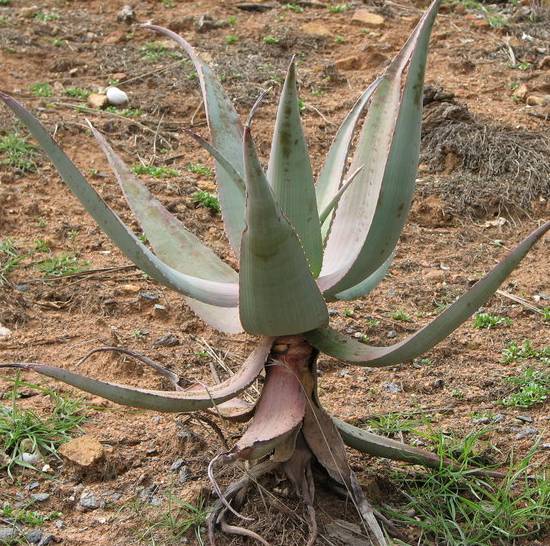
Aloe Comosa is an impressive and rare plant, often considered one of the most majestic species of the Aloe genus. With its robust silhouette and tree-like habit, it can reach several meters in height in its natural habitat, becoming a true plant pillar. Its thick, fleshy leaves armed with regular teeth along the edges gather in a large terminal rosette, giving this aloe the appearance of a living sculpture.
This plant attracts attention with its green color sometimes tinged with grayish shades, enhanced by a fine bloom that protects the leaves from intense sun. As it ages, Aloe Comosa develops a sturdy trunk covered with old leaf bases, distinguishing it from dwarf or compact aloes. It embodies resilience and strength, perfectly adapted to arid conditions.
Highly decorative, this species is sought after by collectors but also finds its place in dry gardens, rockeries or large pots. Hardy and low-maintenance, it requires simple conditions: plenty of light, well-draining substrate and moderate watering.
🌞 Full sun: Ideally 6 hours of direct light per day.
🌤️ Bright light: Indoors, place in front of a south- or west-facing window.
⚠️ Tip: Insufficient exposure leads to etiolation and reduced vigor.
🌱 Spring / summer: Water every 2 to 3 weeks, allowing substrate to dry out.
🍂 Autumn / winter: Water very little, about once per month.
⚡ Tip: Mix soil with perlite or pozzolana to improve drainage and prevent excess water.
🌞 Ideal: Between 20 °C and 30 °C.
❄️ Threshold: Tolerates minimum temperatures of 5 °C but fears frost.
🏠 Tip: In cold regions, grow in pots and bring indoors in winter.
🪨 Recommended substrate: Mix of cactus soil and coarse sand.
💡 Fertilizer: Monthly liquid succulent fertilizer during growth supports vigor and prepares for flowering.
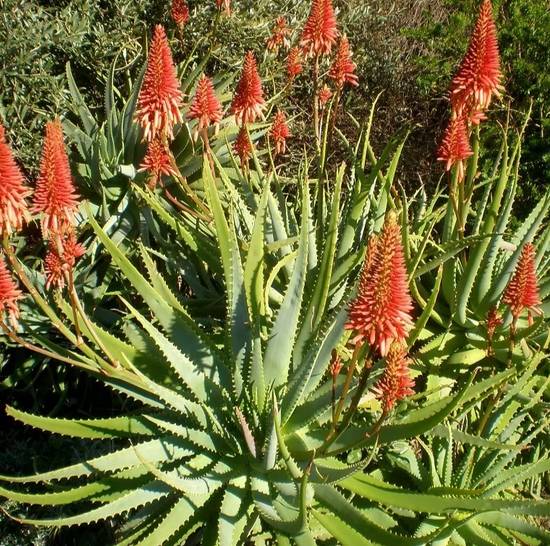
🌸 Period: Summer.
🎨 Color: Tall upright flower stalks with red to orange tubular flowers.
🕑 Duration: Several weeks, often attracting pollinators such as birds and bees.