Aloe Saponaria
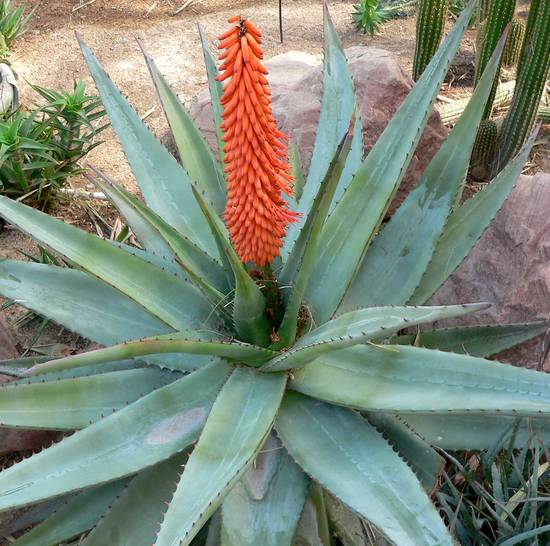
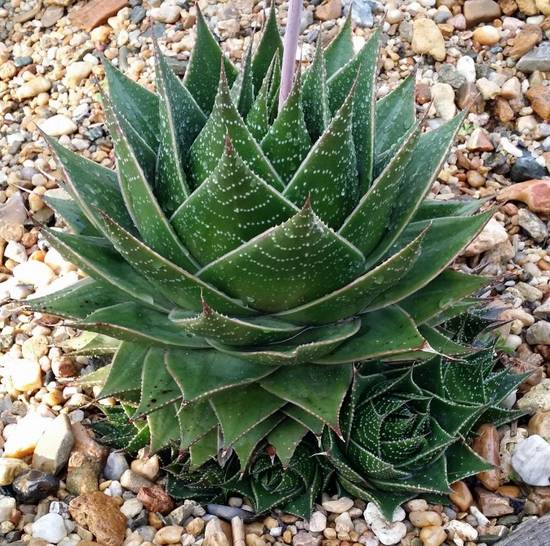
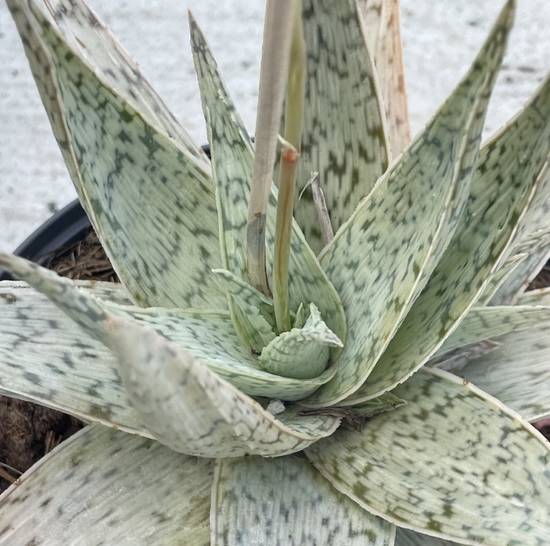
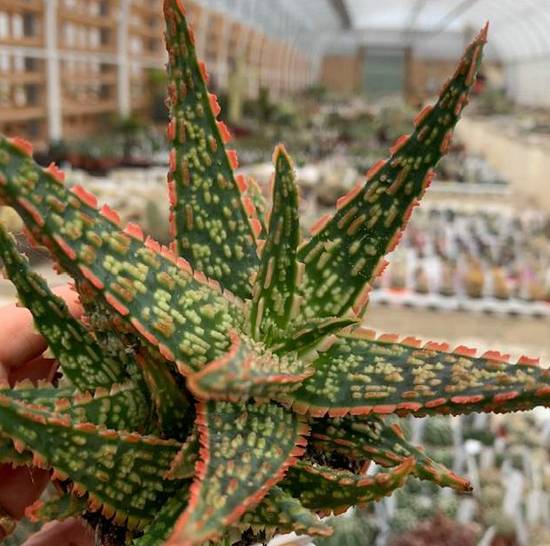
Aloe Saponaria, sometimes called “soap aloe,” is a succulent native to southern Africa, known for its fleshy leaves marked with small white spots. Its name comes from its saponin properties: the sap of its leaves produces a soap-like foam when rubbed with water, which explains its traditional use by local populations.
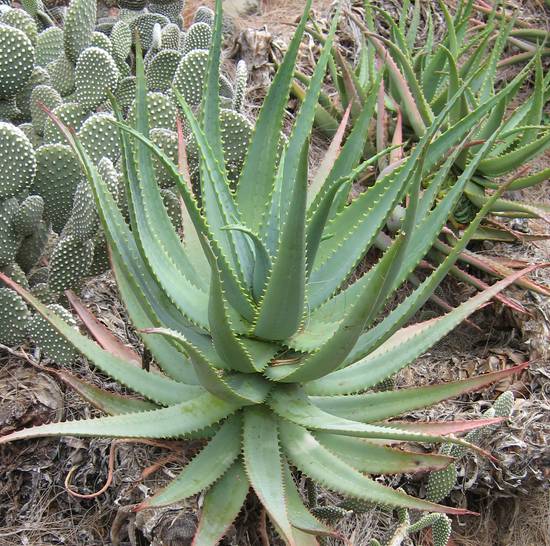
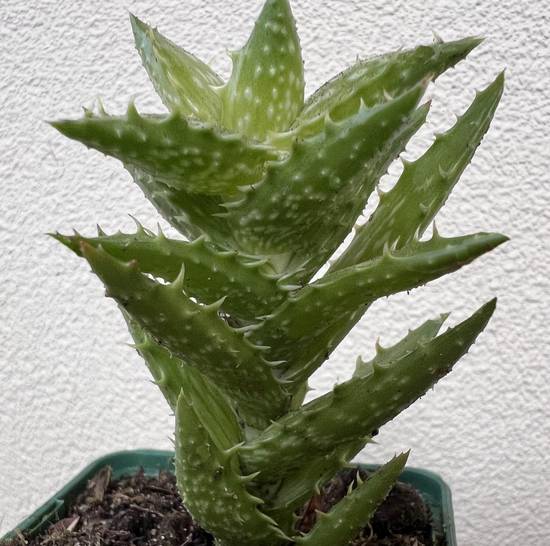
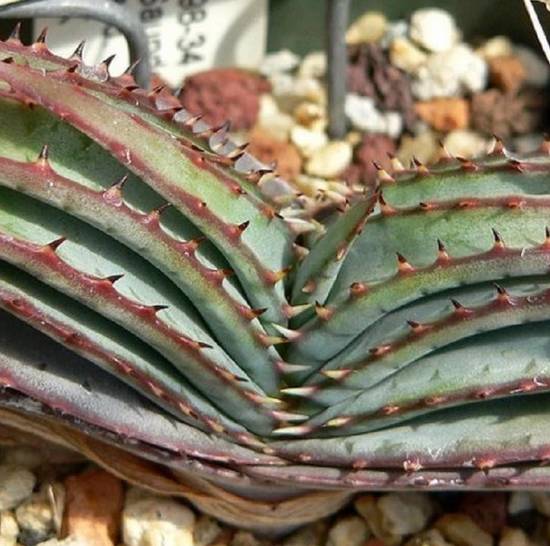
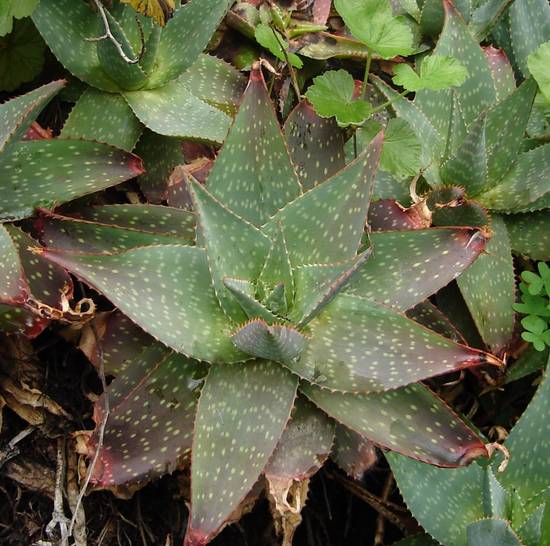
This aloe forms attractive flattened rosettes composed of thick, triangular leaves arranged in a spiral. Their color ranges from bright green to bluish-green, becoming more reddish when exposed to intense sunlight. The small white teeth along the leaf margins further enhance its ornamental appeal.
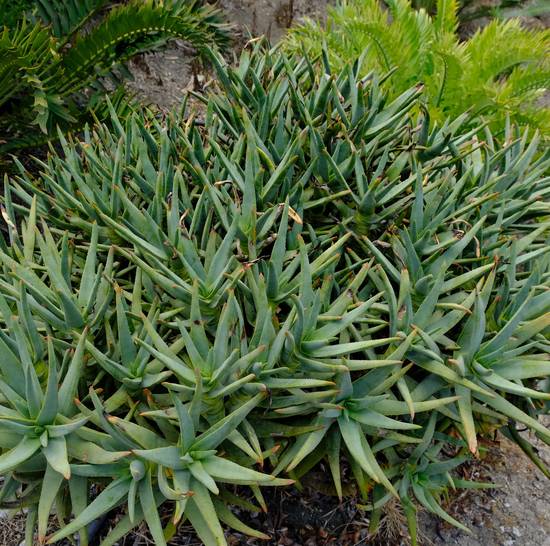
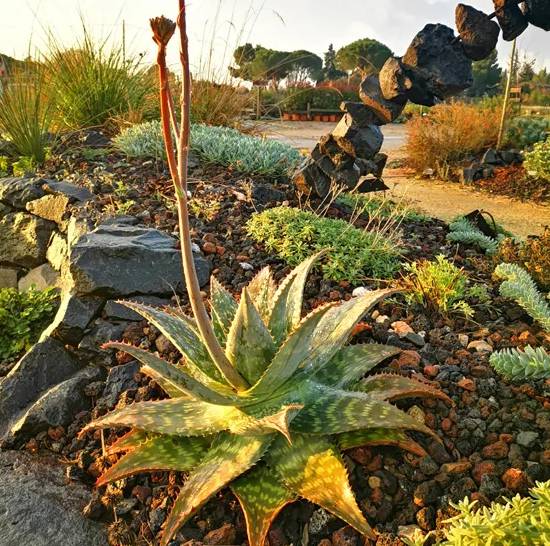
Over time, Aloe Saponaria produces numerous offsets, forming compact clumps that gradually spread. This colonial growth makes it ideal for covering rock gardens or enhancing dry beds. In pots, it creates a dense and graphic plant that quickly draws attention.
🌞 Full sun: At least 6 hours of direct light per day to stimulate flowering and intensify reddish tones.
🌤️ Indirect light: Indoors, place near a south- or west-facing window.
⚠️ Tip: Avoid sudden exposure after shade to prevent leaf burn.
🌱 Spring / summer: Water every 2 to 3 weeks, allowing soil to dry between waterings.
🍂 Autumn / winter: Reduce significantly; monthly watering is sufficient.
⚡ Tip: Use a mix containing perlite or pozzolana for perfect drainage.
🌞 Ideal: Between 20 °C and 30 °C.
❄️ Threshold: Can briefly tolerate 5 °C but fears frost.
🏠 Pot culture: In cold regions, bring indoors to a bright, cool room in winter.
🪨 Draining: Mix special cactus substrate with coarse sand.
💡 Tip: Fertilizer for succulents during the growing season promotes generous flowering.
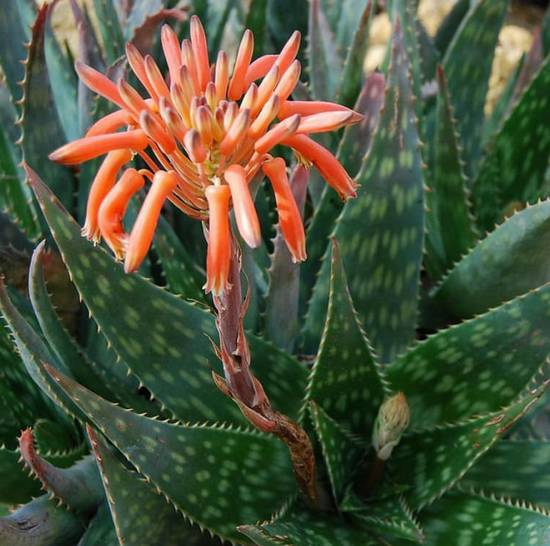
🌸 Period: Summer.
🎨 Colors: Bright red to orange.
🕑 Duration: Several weeks, depending on plant vigor.
💡 Feature: Nectar-rich flowers attract local wildlife, making it beneficial for biodiversity.