Aloe Vito
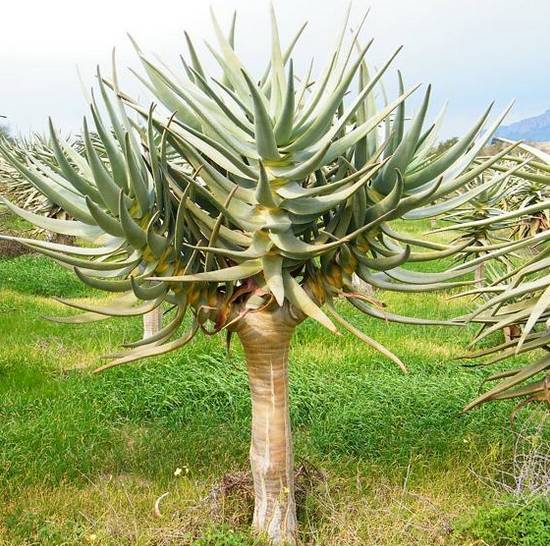
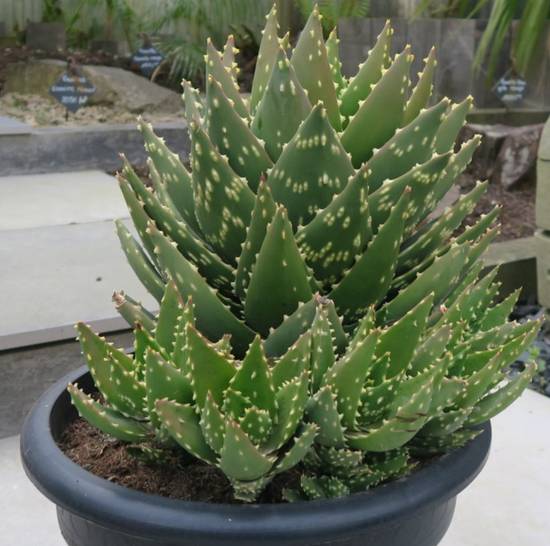
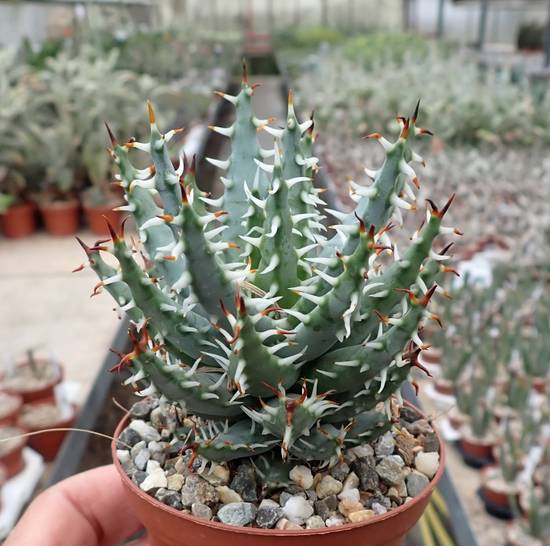
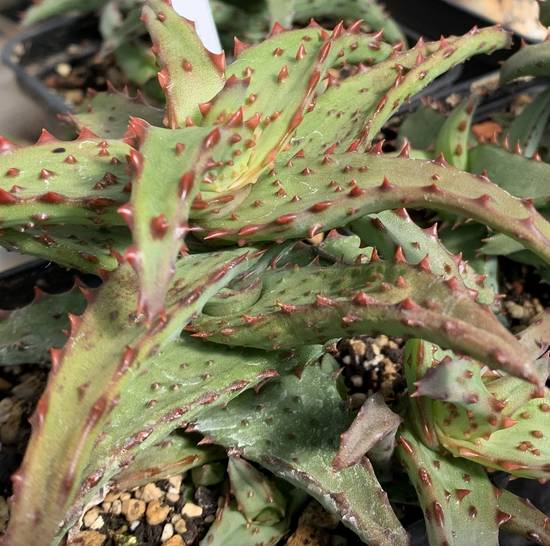
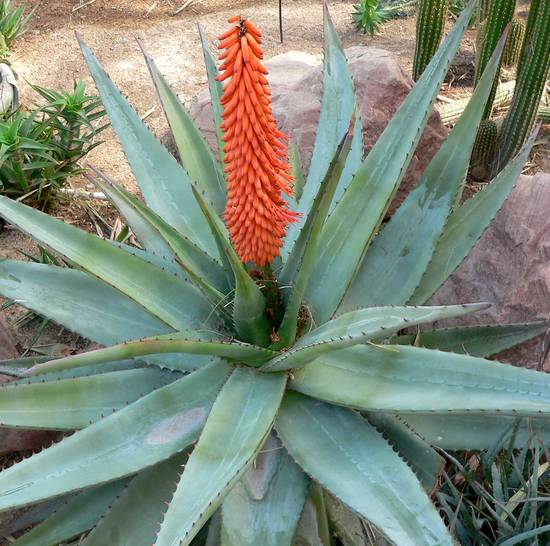
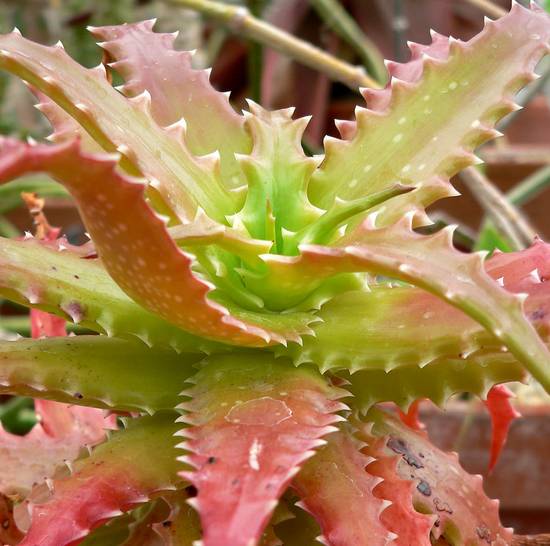
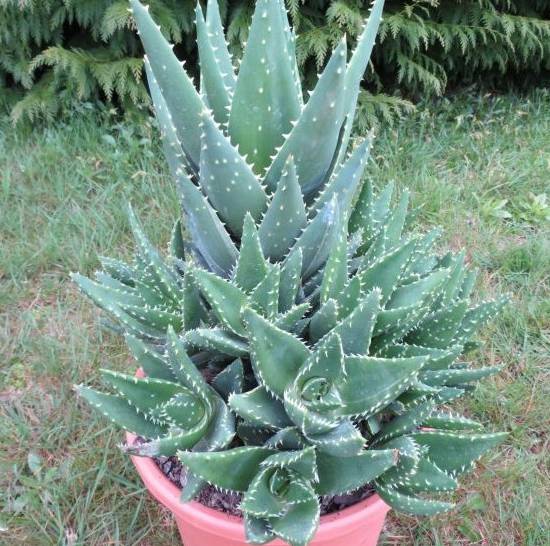
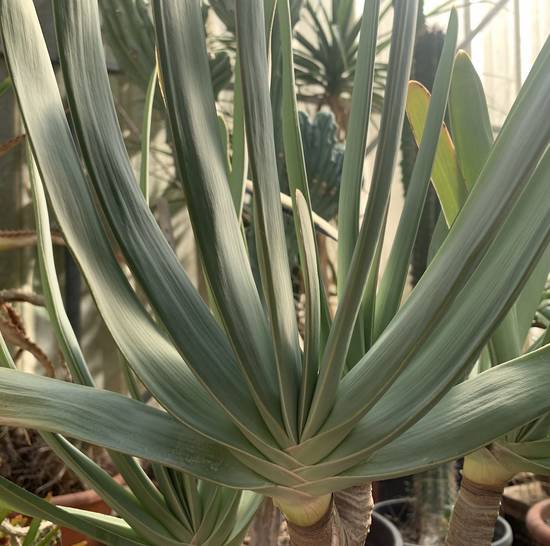
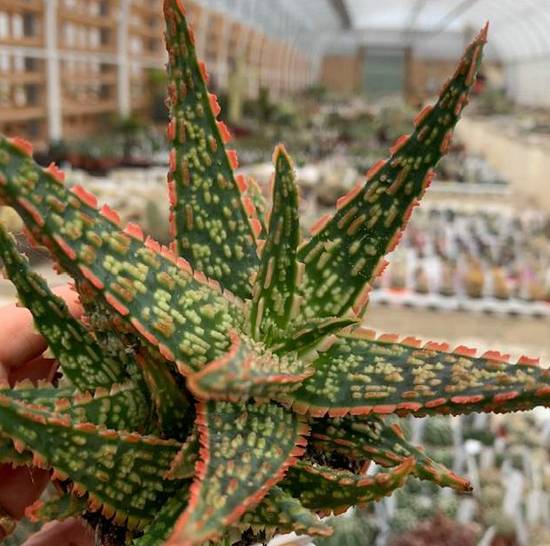
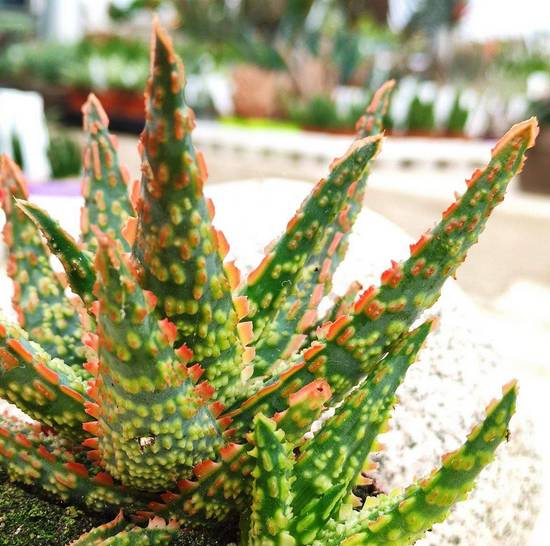
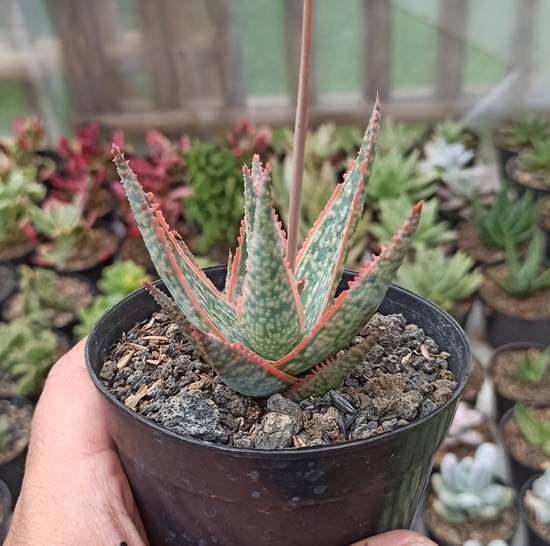
Aloe Vito is an ornamental succulent appreciated for its compact and graphic silhouette. Its fleshy leaves, arranged in a dense rosette, display deep green shades sometimes marked with light marbling, creating an elegant natural contrast. Their smooth, slightly glossy surface highlights the finely toothed margins that add subtle relief. This harmonious appearance makes Aloe Vito an ideal plant for modern interiors, succulent arrangements and dry gardens.
With relatively slow growth, it keeps its compact shape for a long time, making it a popular choice for small spaces. In a pot, Aloe Vito immediately draws attention thanks to its simple yet refined aesthetic. It is especially appreciated by collectors and enthusiasts seeking an original and easy-care aloe variety.
In its natural inspiration setting, Aloe Vito grows under conditions that mimic the savannas and rocky areas of southern Africa: abundant light, rare rainfall and well-drained mineral soil. These origins explain its robustness and adaptability in home cultivation.
🌞 Bright light: ideally place near a south- or east-facing window where it receives at least 5 to 6 hours of light per day.
🌤️ Filtered sun: outdoors, it tolerates full sun but appreciates slight protection during the hottest summer hours to prevent burns.
⚠️ Lack of light: too much shade causes stretching, with longer and less colorful leaves.
🌱 Spring / summer: water approximately every 10 to 15 days, allowing the substrate to dry completely between applications.
🍂 Autumn / winter: greatly reduce watering, sometimes to a simple monthly moistening.
⚡ Golden rule: it is better to forget one watering than to overwater. Excess water is the main cause of root rot.
🌞 Ideal temperature: between 18 °C and 28 °C, perfectly suited to temperate interiors.
❄️ Minimum threshold: can briefly tolerate down to 5 °C, but must be protected from frost.
🏠 Wintering: in cold regions, bring indoors as soon as temperatures drop below 10 °C, in a bright and cool space.
🪨 Draining substrate: use a special succulent mix such as cactus and succulent substrate or specialized soil.
💡 Growing tip: enriching the mix with 30 to 40% coarse sand, perlite or pozzolana significantly improves drainage and limits risks linked to excess water.
🌸 Season: generally in spring or summer, depending on growing conditions.
🎨 Color: tubular flowers display bright red to orange tones, forming a beautiful contrast with the dark green foliage.
🕑 Duration: flower stalks persist for several weeks, offering an exotic touch.
💡 Tip: to encourage flowering, allow Aloe Vito a winter rest period with very little water and provide succulent fertilizer in spring.