Aloe Suprafoliata
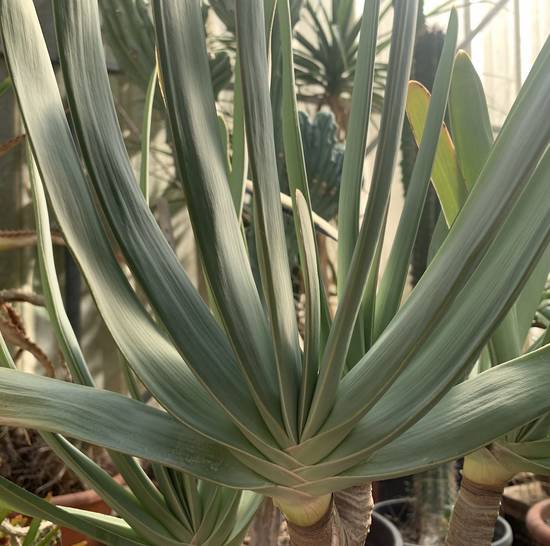
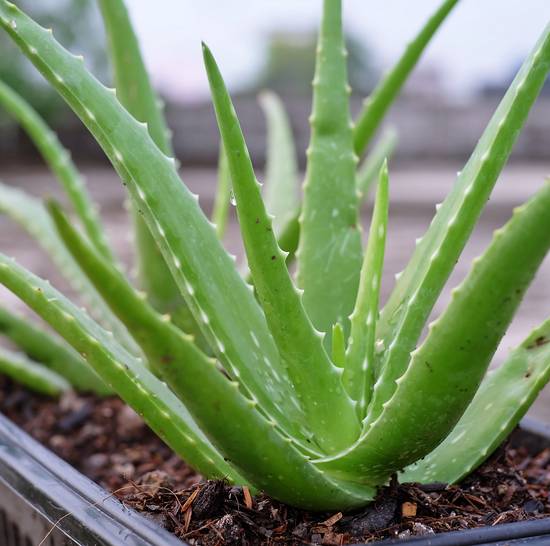
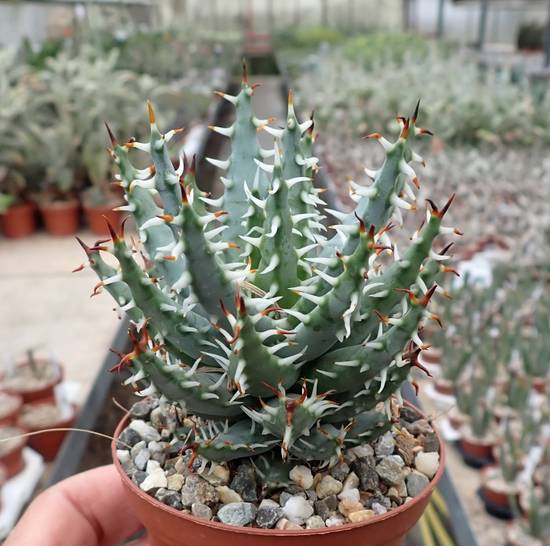
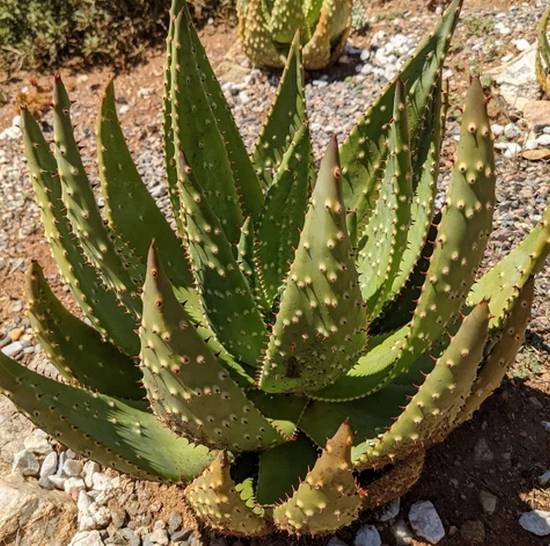
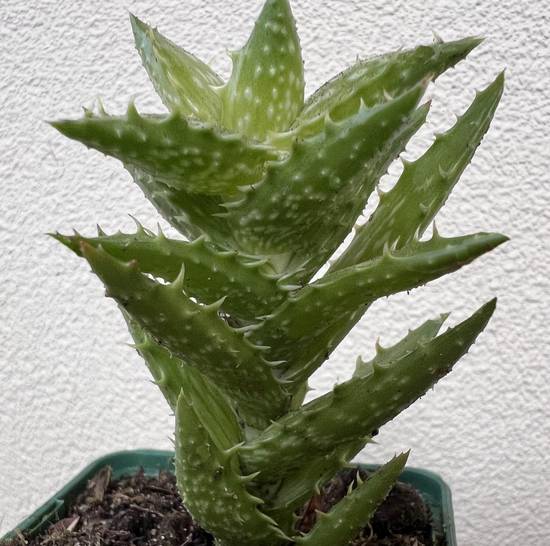
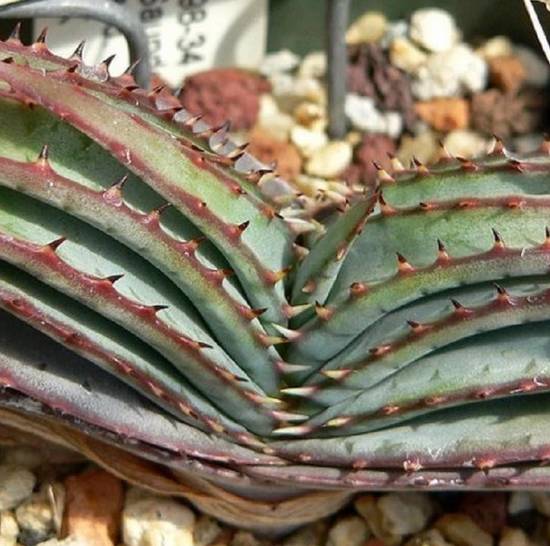
Aloe Suprafoliata is a South African succulent with a distinctive appearance, renowned for its unique leaf arrangement. Unlike most aloes that display a classic rosette, this species first forms two opposite rows of juvenile leaves arranged in a fan shape. This particular habit has earned it the English nickname “Book Aloe,” as its leaves appear to open like the pages of a book.
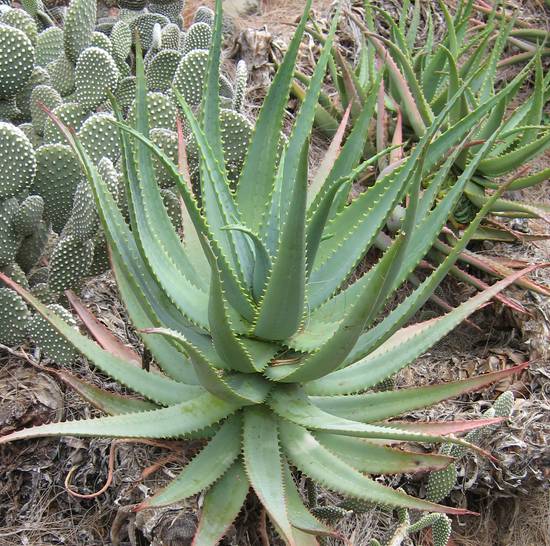
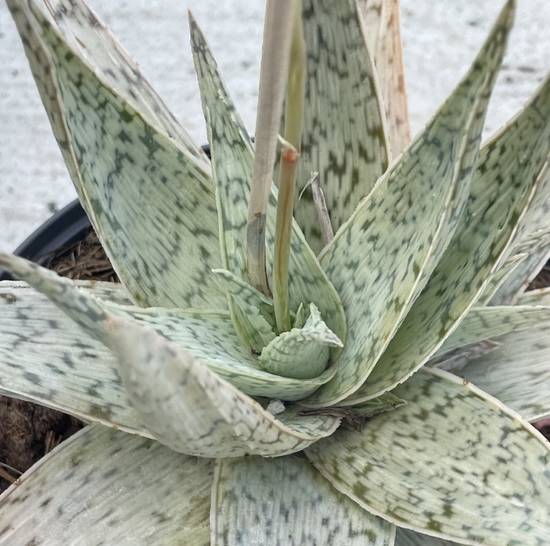
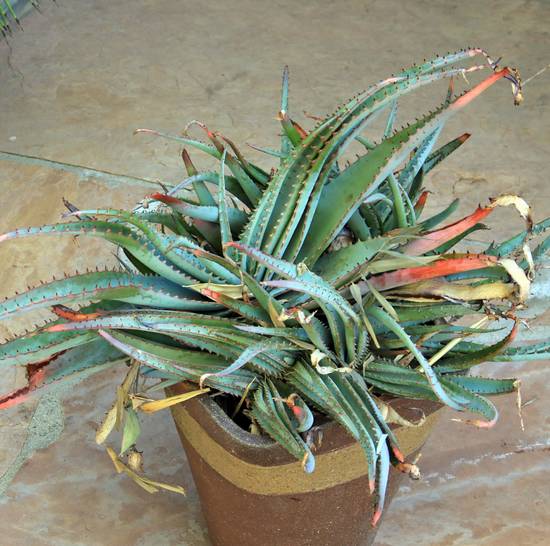
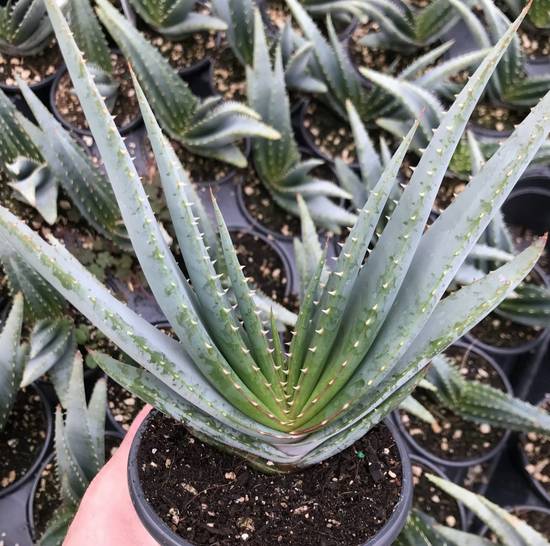
With age, Aloe Suprafoliata develops into a more traditional rosette while retaining a sculptural silhouette that immediately catches the eye. Its long, rigid, slightly recurved leaves display bluish-green to silvery-gray tones, sometimes tinged with red or purple when exposed to strong sunlight. The finely toothed margins enhance its graphic and decorative appeal.
In the wild, Aloe Suprafoliata grows on rocky hillsides and open areas, often exposed to intense sunlight and poor soils. This adaptation gives it strong resistance to extreme conditions, particularly prolonged drought.
Aloe Suprafoliata needs light to fully express its beauty:
🌞 Direct sun: 5 to 6 hours per day are ideal to intensify the reddish tones of its leaves.
🌤️ Bright indirect light: Suitable indoors, but avoid overly shaded areas.
⚠️ Lack of light: The plant becomes etiolated and loses its vibrant colors.
🌞 Direct sun: 5 to 6 hours per day are ideal to intensify the reddish tones of its leaves.
🌤️ Bright indirect light: Suitable indoors, but avoid overly shaded areas.
⚠️ Lack of light: The plant becomes etiolated and loses its vibrant colors.
Like all Aloes, Aloe Suprafoliata should be watered sparingly:
🌱 Spring / summer: Water every 2 to 3 weeks, allowing the substrate to dry completely.
🍂 Autumn / winter: Greatly reduce watering as it enters relative dormancy.
⚡ Tip: Use a well-draining mix with perlite or pozzolana to prevent water stagnation.
🌱 Spring / summer: Water every 2 to 3 weeks, allowing the substrate to dry completely.
🍂 Autumn / winter: Greatly reduce watering as it enters relative dormancy.
⚡ Tip: Use a well-draining mix with perlite or pozzolana to prevent water stagnation.
Aloe Suprafoliata appreciates warmth:
🌞 Ideal: Between 20 °C and 30 °C.
❄️ Minimum: Can tolerate 5 °C briefly but must never be exposed to frost.
🏠 Pot culture: In cold regions, bring it into a greenhouse or bright conservatory in winter.
🌞 Ideal: Between 20 °C and 30 °C.
❄️ Minimum: Can tolerate 5 °C briefly but must never be exposed to frost.
🏠 Pot culture: In cold regions, bring it into a greenhouse or bright conservatory in winter.
Well-draining soil is essential for Aloe Suprafoliata:
🪨 Recommended substrate: A mix of succulent soil with 40% minerals (perlite or pozzolana).
💡 Tip: Occasional liquid succulent fertilizer promotes growth and flowering.
🪨 Recommended substrate: A mix of succulent soil with 40% minerals (perlite or pozzolana).
💡 Tip: Occasional liquid succulent fertilizer promotes growth and flowering.
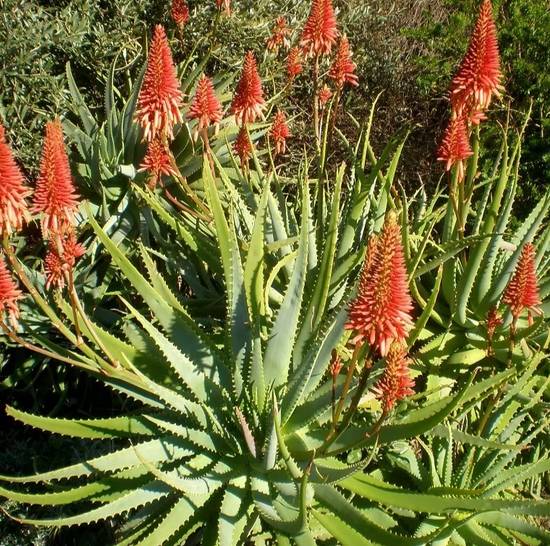
The flowering of Aloe Suprafoliata is spectacular:
🌸 Period: Winter to early spring.
🎨 Color: Bright red to orange tubular flowers.
🕑 Duration: 2 to 3 weeks.
💡 Advantage: Nectar-rich flowers attract birds and pollinating insects.
🌸 Period: Winter to early spring.
🎨 Color: Bright red to orange tubular flowers.
🕑 Duration: 2 to 3 weeks.
💡 Advantage: Nectar-rich flowers attract birds and pollinating insects.
FAQ - Aloe Suprafoliata
Is Aloe Suprafoliata suitable for beginners?
Yes, this aloe is ideal for beginners because it is drought-resistant and tolerant of occasional neglect. As long as it is grown in a well-draining substrate with good exposure, it thrives easily.
What is the most remarkable feature of Aloe Suprafoliata?
Its juvenile fan-shaped leaf arrangement is unique. This rare structure attracts collectors and clearly distinguishes it from other aloe species.
Is Aloe Suprafoliata toxic?
Like many aloes, it can be mildly toxic if ingested by pets. It is recommended to keep it out of reach of cats and dogs.
How to propagate Aloe Suprafoliata?
It is mainly propagated by seed, as offsets are rare. Use a light and well-draining cactus potting soil to optimize germination.
Does Aloe Suprafoliata tolerate full sun?
Yes, it loves direct sun, which intensifies its reddish tones. However, if grown indoors, acclimate it gradually to avoid leaf burn.
What is the lifespan of Aloe Suprafoliata?
It is a perennial plant that can live for several decades if properly cared for. Repotting every 3 to 4 years in a suitable substrate ensures longevity.
Can Aloe Suprafoliata bloom indoors?
Yes, if placed in a very bright room with a proper winter rest period. A light application of succulent fertilizer can help stimulate blooming.
Should Aloe Suprafoliata be pruned?
No pruning is required. Simply remove dry or damaged leaves at the base to maintain a clean appearance.
What is the symbolism of Aloe Suprafoliata?
It is associated with uniqueness and elegance due to its distinctive shape and striking flowers.
Can Aloe Suprafoliata be grown in a pot on a terrace?
Yes, it is an excellent option in colder regions when grown in a pot. A mix of pumice and potting soil allows easy drainage and makes it simple to move indoors during winter.