Aloé Plicatilis

Aloé Plicatilis
Aloé Plicatilis
Aloé Plicatilis

Aloé Plicatilis

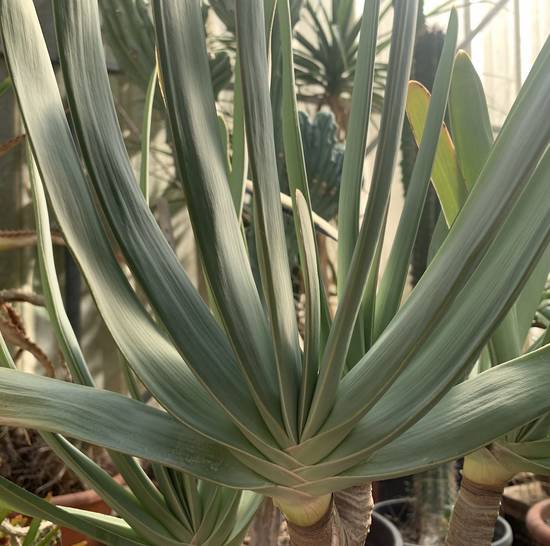
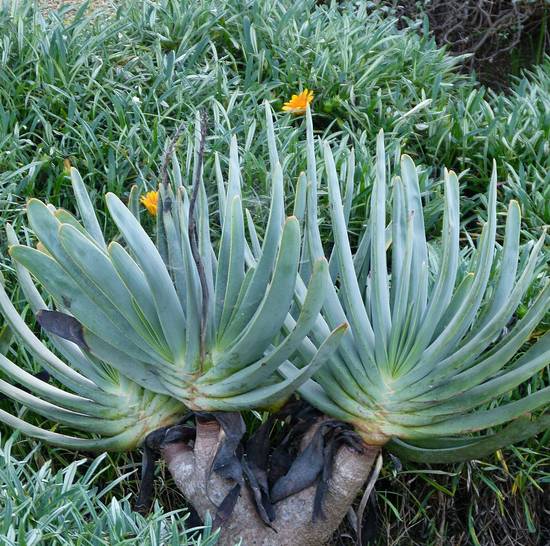
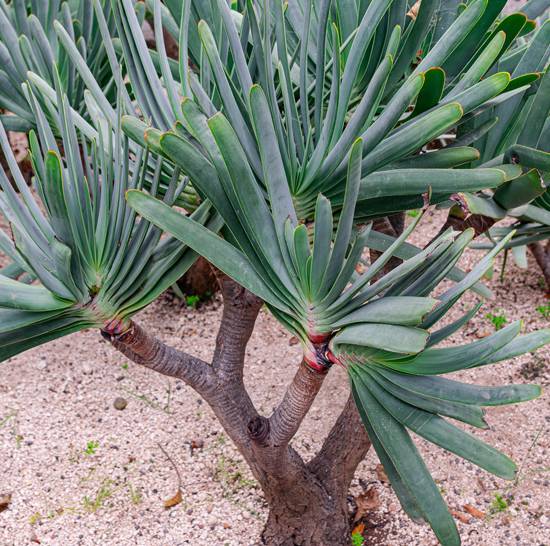
The Aloe Plicatilis is a fascinating and uncommon species within the Aloe genus. Unlike most aloes with rosette-shaped leaves, this plant develops a tree-like habit with thick branches bearing leaves arranged in a fan shape, hence its name “plicatilis” (from the Latin meaning “folded”). This fan-shaped foliage gives the plant a unique and highly graphic appearance, reminiscent of modern plant sculptures.

Each stem of Aloe Plicatilis rises vertically before dividing, forming a shrub with multiple branches. The leaves, long and flat, are a soft bluish green and edged with tiny flexible teeth, almost harmless. Over time, the woody base of the plant takes on the appearance of a gnarled trunk, reinforcing its miniature tree look. In open ground, it can reach 3 to 5 meters in height, but it remains more compact in pots, making it an excellent subject for sunny terraces or balconies.

In addition to its remarkable aesthetic, Aloe Plicatilis is also valued for its robustness and drought tolerance, provided it benefits from a well-draining substrate and abundant light.

Aloe Plicatilis is native to the mountainous regions of southwestern South Africa, particularly in the Western Cape mountains. It grows between 700 and 1,500 meters above sea level, on exposed rocky slopes, often in areas subject to winter rainfall.
To thrive fully, Aloe Plicatilis must receive bright light throughout the year.

🌞 Outdoors : Place it in full sun or light partial shade in very hot regions.

🏡 Indoors : Install it close to a south- or west-facing window.
Aloe Plicatilis has moderate water needs but does not tolerate excess moisture.

💧 Spring / Summer : Water abundantly but only when the substrate is completely dry.

❄️ Autumn / Winter : Greatly space watering, or stop depending on ambient humidity.
Aloe Plicatilis is well adapted to mild climates and tolerates some temperature variations.

🌡️ Ideal temperature : Between 18 °C and 28 °C.

❄️ Cold tolerance : Down to -2 °C if kept dry, but it must be protected in case of prolonged frost.
To ensure the good health of Aloe Plicatilis, it is essential to provide a perfectly draining substrate.

🪨 Choose a mix composed of succulent substrate, with added perlite to improve aeration and pozzolana to strengthen the mineral structure of the soil.
Aloe Plicatilis offers elegant and vivid flowering when well established.

🌸 Period : Generally at the end of winter or early spring.

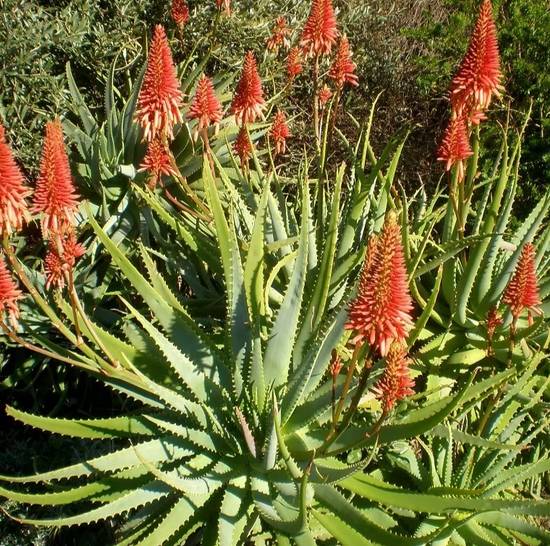
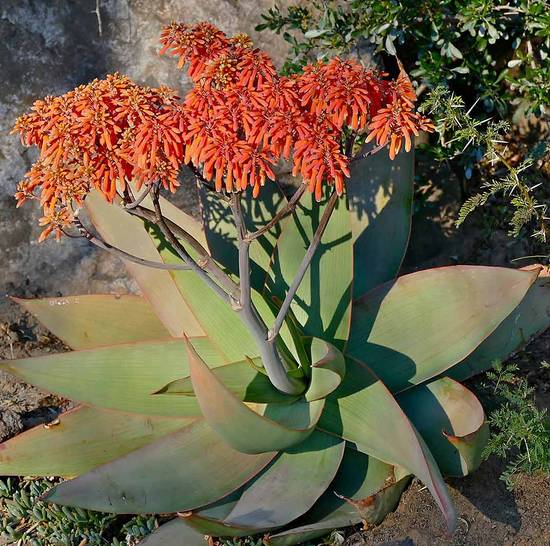
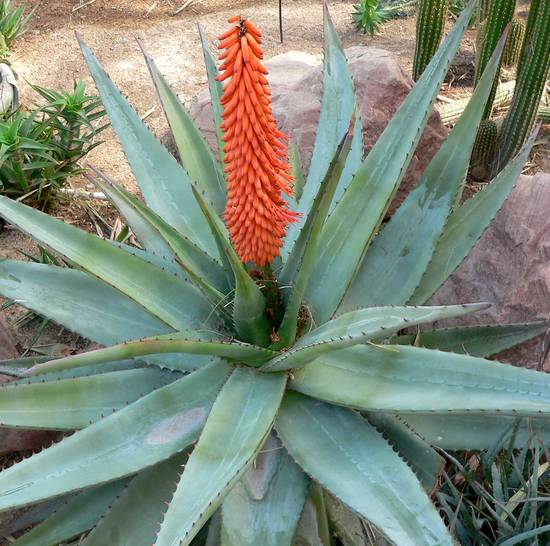
🎨 Flowers : Red-orange tubular flowers arranged in clusters at the top of the stems, attracting bees and nectar-feeding birds.

🌿 Note : Flowering is more frequent outdoors or on mature specimens.
FAQ - Aloé Plicatilis

What is the ideal substrate for Aloe Plicatilis?
A good substrate is essential to avoid excess moisture. Use a mix of succulent soil, perlite, and pumice for perfect drainage.
How should Aloe Plicatilis be watered properly?
Wait until the soil is completely dry before watering. In summer, watering every two weeks is enough. In winter, reduce watering to a minimum to prevent rot.
What exposure suits Aloe Plicatilis best?
Place it in full sun, especially if grown outdoors. Indoors, it needs a very bright spot near a south-facing window.
Can Aloe Plicatilis be grown in a pot?
Yes, this is even recommended in cold regions. Choose a deep, stable pot with drainage holes to support its upright growth.
What temperatures can Aloe Plicatilis tolerate?
It tolerates brief frost down to -2°C if kept dry, but must be protected from severe cold. In winter, bring it into a bright, frost-free space.
What is unique about the leaves of Aloe Plicatilis?
Its leaves are flat, arranged in a fan shape, and bluish-green. This unique structure gives it a highly architectural appearance.
Does Aloe Plicatilis bloom easily in a pot?
Flowering is possible, but it depends on the plant’s age, light exposure, and winter rest period. Flowers usually appear at the end of winter.
How can flowering be stimulated in Aloe Plicatilis?
Provide a dry winter rest period, strong light exposure, and apply a cactus fertilizer in spring. This encourages flowering.
Can Aloe Plicatilis be propagated?
Propagation is difficult as it does not produce offsets. Stem cuttings are possible but slow. The most reliable method remains sowing seeds.
How can you tell if Aloe Plicatilis has too much or too little water?
Soft, translucent leaves indicate overwatering. If they fold, become thin, or lose their bluish tint, the plant is likely lacking moisture.