Aloé Mitriformis

Aloé Mitriformis
Aloé Mitriformis
Aloé Mitriformis

Aloé Mitriformis

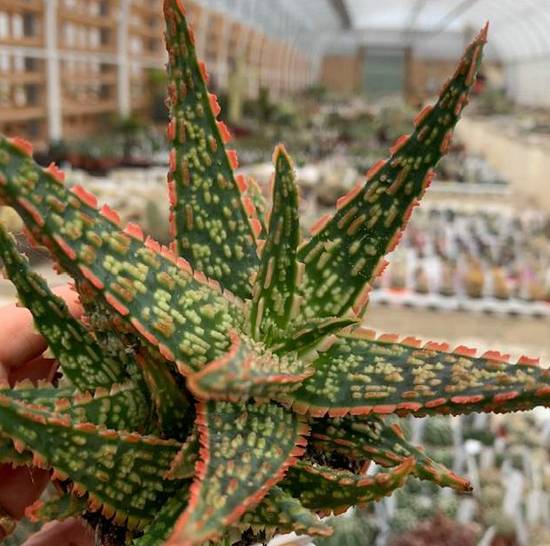
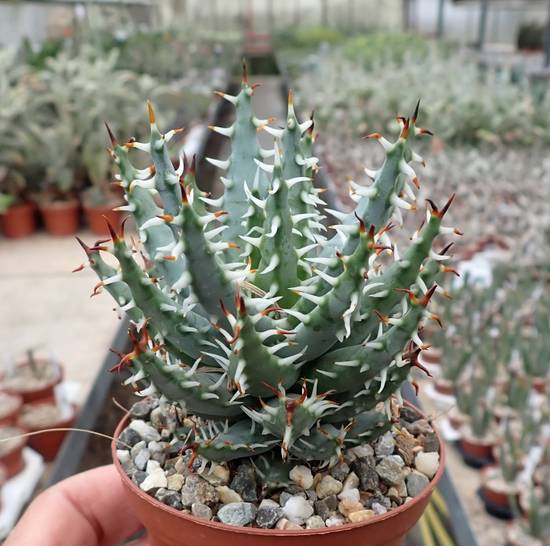
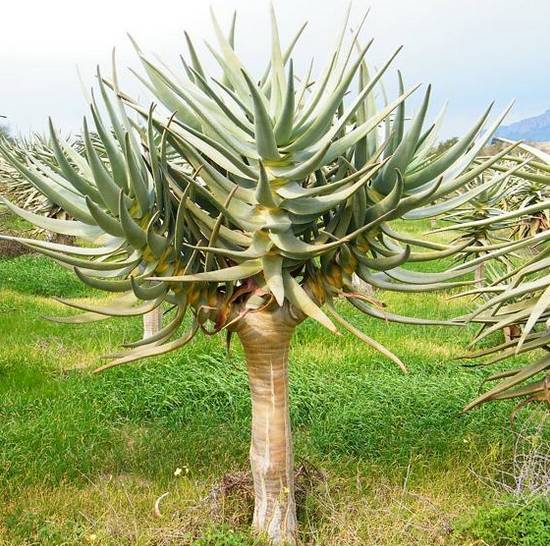
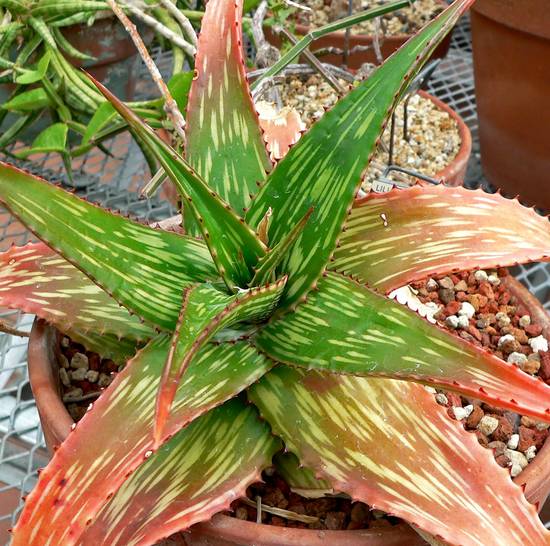
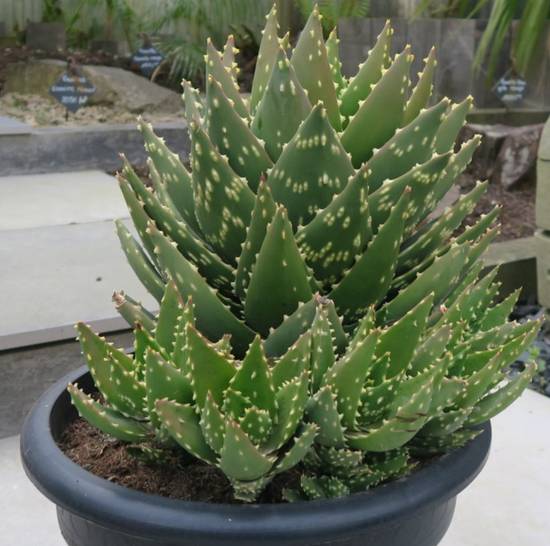
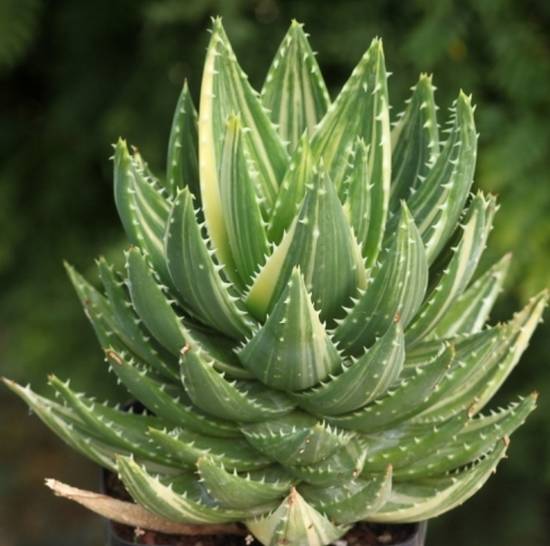
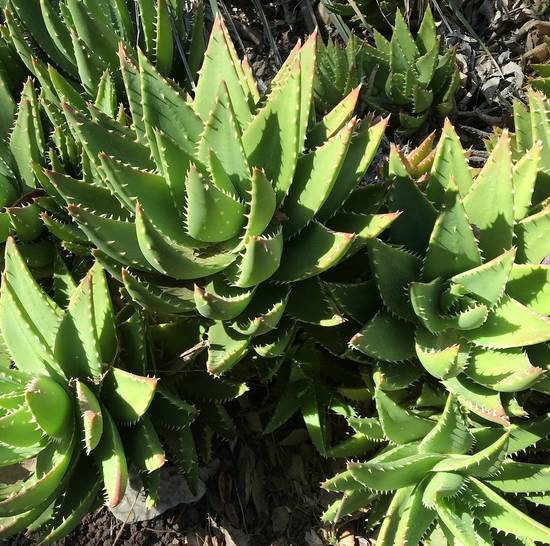
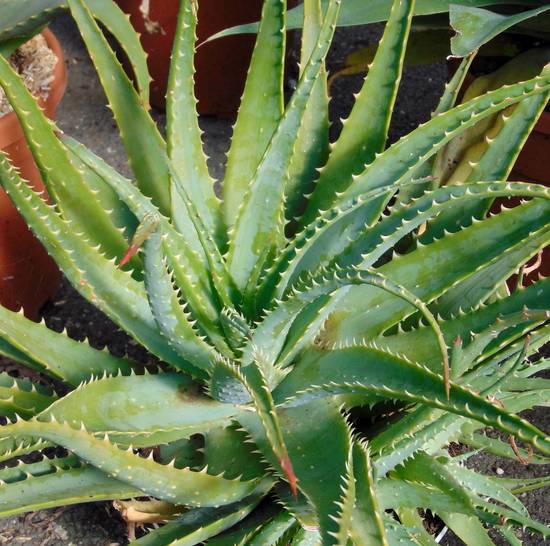
Aloe Mitriformis, also known as the “mitre-shaped aloe” because of its triangular rosettes, is a succulent native to South Africa. It is renowned for its fleshy foliage and remarkable ornamental qualities. Unlike some large Aloes, it remains relatively compact, making it ideal for dry gardens as well as container collections.

Its light green to bluish-green leaves are thick, slightly curved and edged with small harmless white teeth. Arranged in a spiral, they give the rosette an elegant, architectural appearance. When exposed to strong sunlight, Aloe Mitriformis may develop reddish tones, enhancing its visual appeal.

Over time, it can form dense clumps spreading outward and covering the ground. This cushion-like growth makes it particularly appreciated in rock gardens or Mediterranean beds. It is also perfectly suited to pot culture, where its structured habit immediately attracts attention.

In its natural habitat, Aloe Mitriformis grows on rocky slopes, often at higher elevations. It thrives in sandy, well-draining soils, experiencing hot days and cooler nights. This adaptation explains its robustness and ability to tolerate varied growing conditions.
Aloe Mitriformis appreciates good light:

🌞 Direct sun: It tolerates full sun very well, and its colors intensify in these conditions.

🌤️ Bright light: Indoors, place it near a well-exposed window to avoid etiolation.

⚠️ Tip: Gradual acclimatization is recommended if previously grown in shade.
Aloe Mitriformis tolerates drought well, but balance is key:

🌱 Spring / summer: Water every two weeks, allowing the substrate to dry completely.

🍂 Autumn / winter: Space watering further, every 4 to 6 weeks.

Tip: Use a mix containing perlite or pozzolana to prevent water stagnation.
Aloe Mitriformis enjoys warmth but tolerates cooler conditions:

🌞 Ideal: Between 20 °C and 30 °C.

❄️ Limit: Can briefly withstand 5 °C but avoid frost.

🏠 Pot culture: Recommended in cold regions for winter protection.
Soil is essential for the success of Aloe Mitriformis:

🪨 Drainage: Use special cactus substrate enriched with coarse sand and minerals.

💡 Tip: Monthly liquid fertilizer during the growing season stimulates flowering.
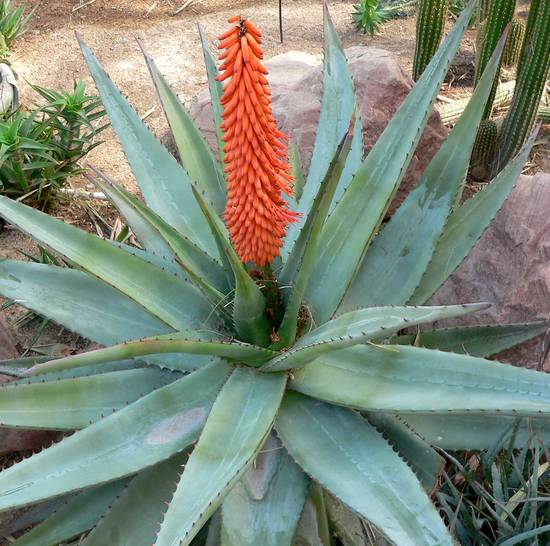
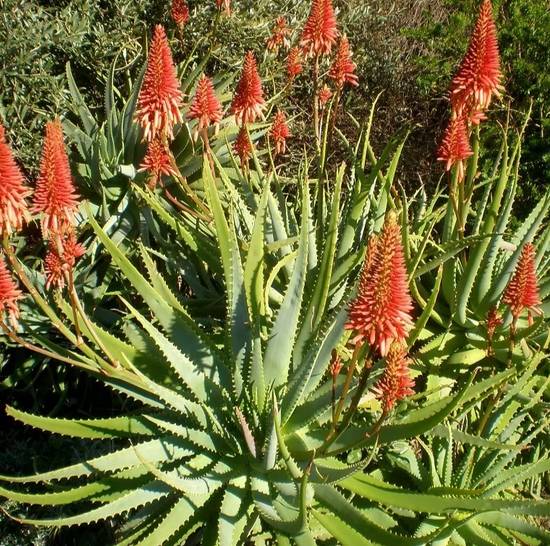
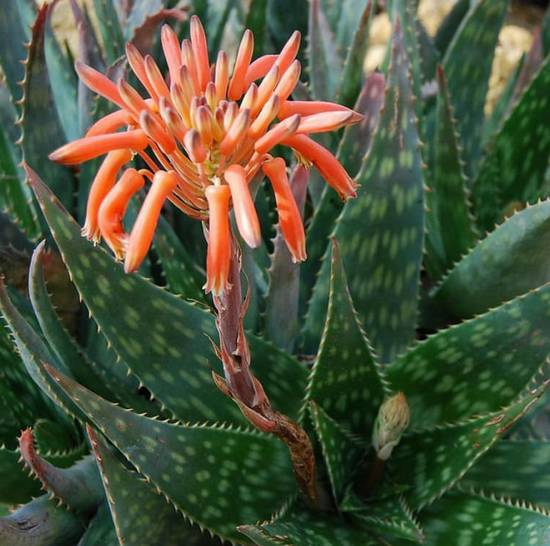
The flowering of Aloe Mitriformis is truly spectacular:

🌸 Period: Summer.

🎨 Color: Orange to coral red.

🕑 Duration: Several weeks, with flower stalks exceeding 50 cm.

💡 Feature: Nectar-rich flowers attract birds and pollinating insects, enhancing biodiversity in the garden.
FAQ - Aloé Mitriformis

Is Aloe Mitriformis easy to grow?
Yes, it is very easy to care for. Even beginners can succeed as long as they use a well-draining substrate and limit watering.
Is Aloe Mitriformis toxic to pets?
Like many aloes, it contains irritating compounds for pets. It is best kept out of reach of dogs and cats.
How to propagate Aloe Mitriformis?
It propagates by offsets or stem cuttings. The offsets separate easily and can be replanted in cactus potting soil.
Can Aloe Mitriformis be grown outdoors?
Yes, in regions with a mild and dry climate. In cold areas, it should be grown in a pot so it can be brought indoors during winter.
What is the lifespan of Aloe Mitriformis?
It can live for several decades if properly cared for, especially with regular repotting and fertilizer.
Can Aloe Mitriformis change color?
Yes, in full sun its leaves take on reddish tones, while in shade they remain light green.
Is Aloe Mitriformis suitable for rock gardens?
Absolutely! It fits perfectly into a Mediterranean bed, combined with other succulents.
What are the most common diseases of Aloe Mitriformis?
It may suffer from root rot in case of overwatering, and can sometimes be attacked by mealybugs.
Can Aloe Mitriformis bloom indoors?
Yes, if it receives enough light and liquid fertilizer.
Should Aloe Mitriformis be pruned?
No, but dry leaves and excess offsets can be removed to keep a nice shape.