Aloé Juvenna

Aloé Juvenna
Aloé Juvenna
Aloé Juvenna

Aloé Juvenna

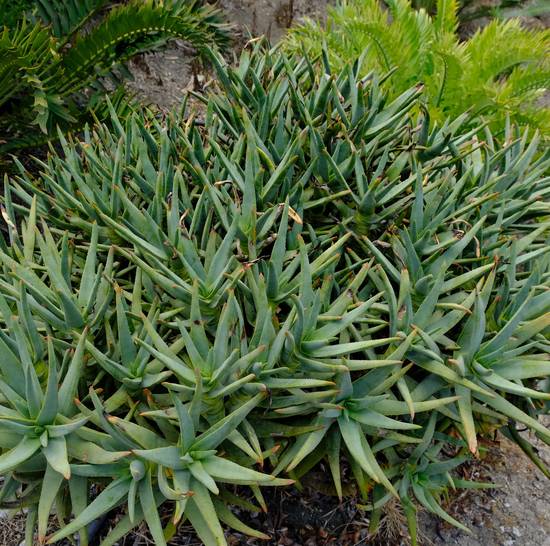
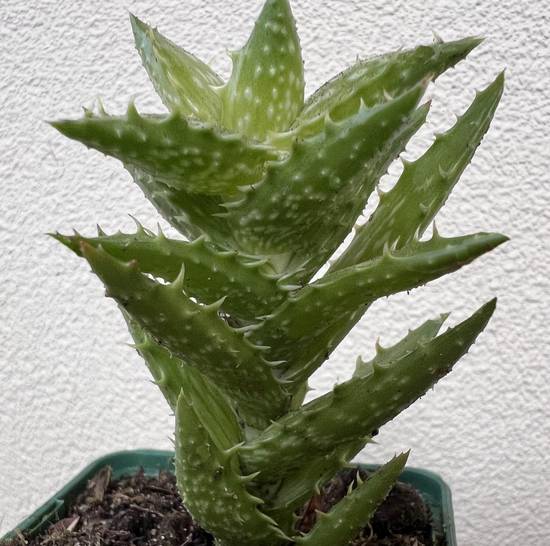
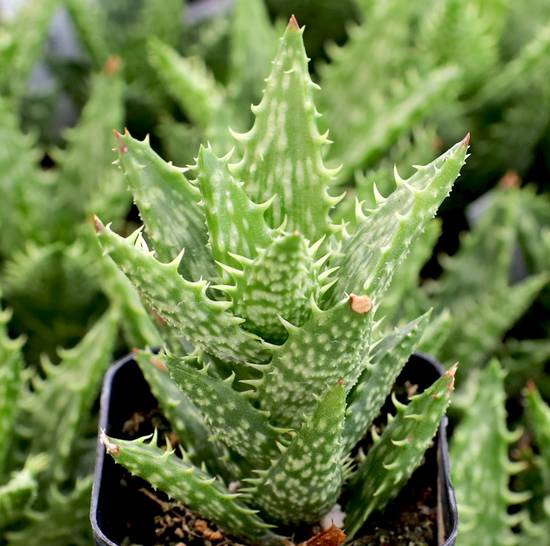
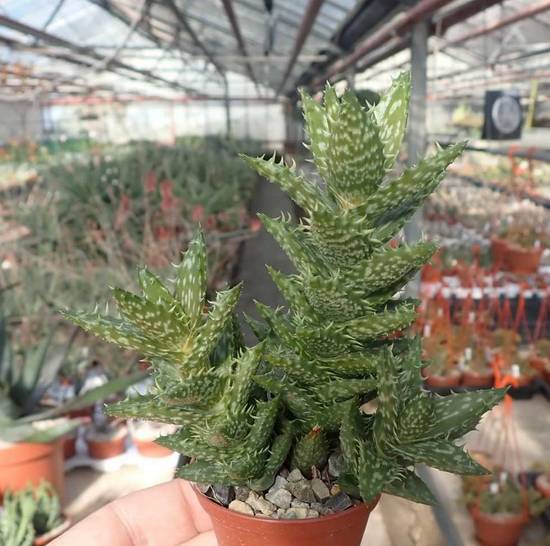
Aloe Juvenna is a small succulent native to Kenya, highly appreciated for its compact habit and stacked triangular rosettes. This species forms dense clumps that can spread quickly, making it an excellent ground cover in dry regions or a perfect decorative succulent in pots.

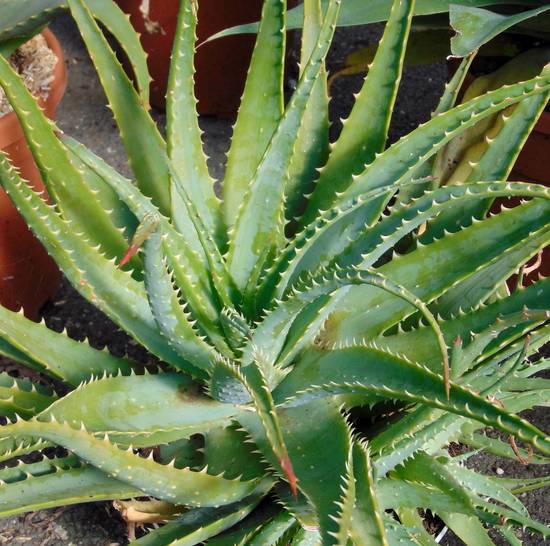
Its fleshy leaves, arranged like interlocking teeth, display a bright green color dotted with decorative white spots. When exposed to intense sunlight, Aloe Juvenna develops reddish to brownish tones, adding spectacular contrast. Its rough texture and small harmless teeth give it a wild appearance that immediately appeals to exotic plant enthusiasts.

Unlike some larger species, Aloe Juvenna remains modest in size, reaching about 30 cm in height and forming wide clumps over time. Its rapid growth and ease of care make it ideal for both beginners and collectors.

In its natural habitat, Aloe Juvenna grows on rocky, often sloping soils with perfect drainage. It is accustomed to bright conditions and prolonged drought, explaining its remarkable resilience in cultivation.
Aloe Juvenna loves light and needs it to develop its colors:

🌞 Direct sun: Ideal for intensifying the reddish hues of its leaves.

🌤️ Bright light: Also suitable, especially indoors near a south- or west-facing window.

⚠️ Warning: Lack of light leads to dull foliage and elongated growth.
Aloe Juvenna requires carefully measured watering:

🌱 Spring / summer: Water every 10 to 15 days, allowing the substrate to dry completely.

🍂 Autumn / winter: Drastically reduce watering; once per month is sufficient.

Tip: Use a draining mix with perlite or pozzolana to avoid water stagnation.
Aloe Juvenna tolerates heat well:

🌞 Optimal: Between 20 °C and 30 °C.

❄️ Minimum: Can briefly tolerate 5 °C but not frost.

🏠 Pot culture: Recommended in cold regions to bring indoors during winter.
A suitable substrate is essential for the health of Aloe Juvenna:

🪨 Ideal substrate: A mix of cactus soil and minerals (pozzolana, coarse sand, perlite).

💡 Tip: Monthly succulent fertilizer promotes growth and flowering.
The flowering of Aloe Juvenna is bright and decorative:

🌸 Period: Spring or summer.

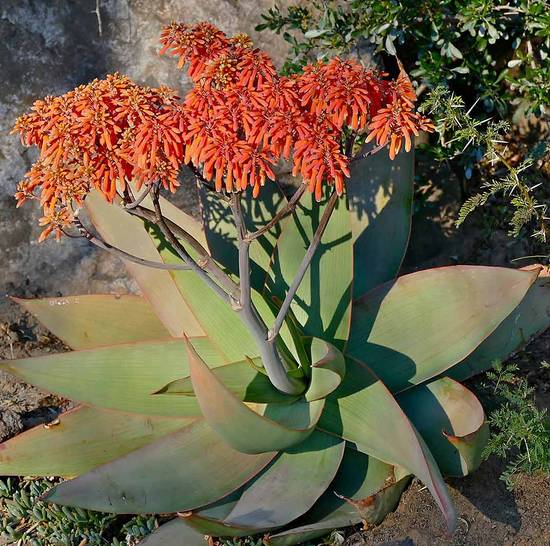
🎨 Color: Bright orange-red.

🕑 Duration: 2 to 3 weeks.

💡 Interest: Nectar-rich flowers attract bees and birds, enlivening a garden or terrace.
FAQ - Aloé Juvenna

Is Aloe Juvenna suitable for beginners?
Yes, it is a perfect succulent for beginners. Its drought tolerance and fast growth make it rewarding for new collectors.
What is the visual characteristic of Aloe Juvenna?
Its stacked rosettes resemble small towers of toothed leaves, giving it a very original and sought-after appearance.
Is Aloe Juvenna toxic to pets?
Like many aloes, it contains mildly toxic compounds for cats and dogs. Keep it out of their reach.
How to propagate Aloe Juvenna?
It propagates easily by offsets. Gently separate them, let them dry for a day, then replant in a suitable well-draining substrate.
Can Aloe Juvenna be grown outdoors?
Yes, it adapts well to sunny and dry gardens in mild climates. In colder regions, container growing is recommended.
What is the lifespan of Aloe Juvenna?
With proper care, it can live more than 15 years. Repotting every 3 to 4 years in a well-draining mix helps extend its lifespan.
Can Aloe Juvenna bloom indoors?
Yes, provided it receives sufficient light and a winter rest period. A light application of liquid fertilizer can encourage flowering.
Should Aloe Juvenna be pruned?
Not necessarily, but removing excess offsets and dry leaves helps maintain a harmonious shape.
Does Aloe Juvenna change color depending on exposure?
Yes, in full sun it develops red or brown tones, while in shade it remains bright green.
Can Aloe Juvenna be used in interior decoration?
Absolutely. It is perfect for offices or verandas, especially in modern arrangements with pumice or decorative pebbles.