Aloé Arborescens

Aloé Arborescens
Aloé Arborescens
Aloé Arborescens

Aloé Arborescens

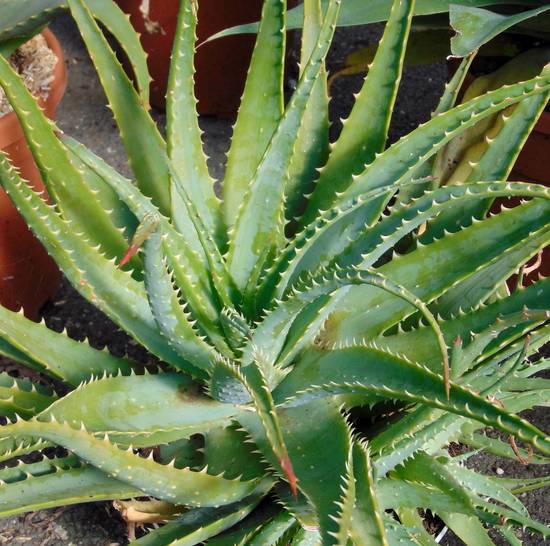
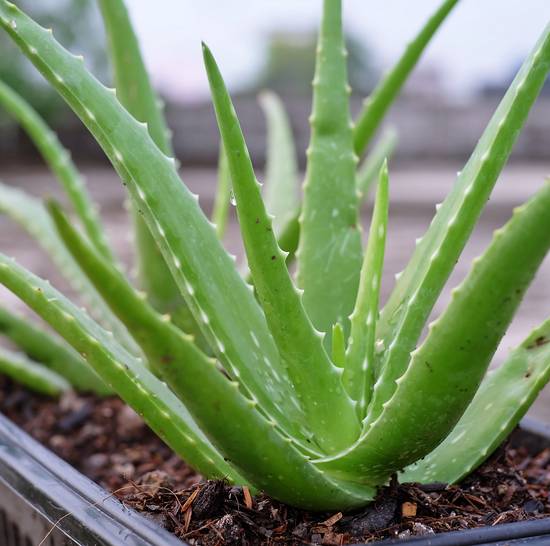
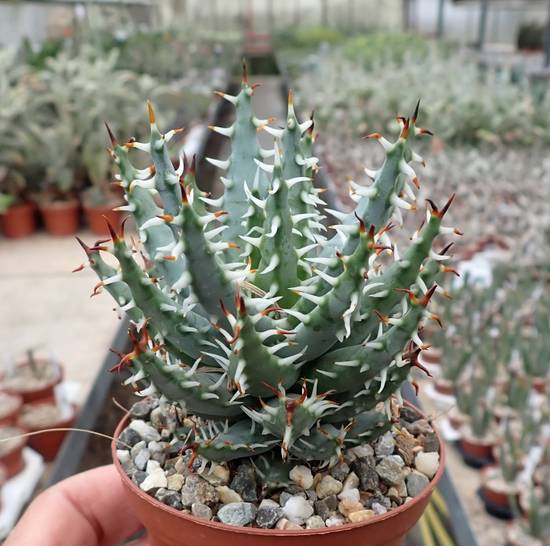
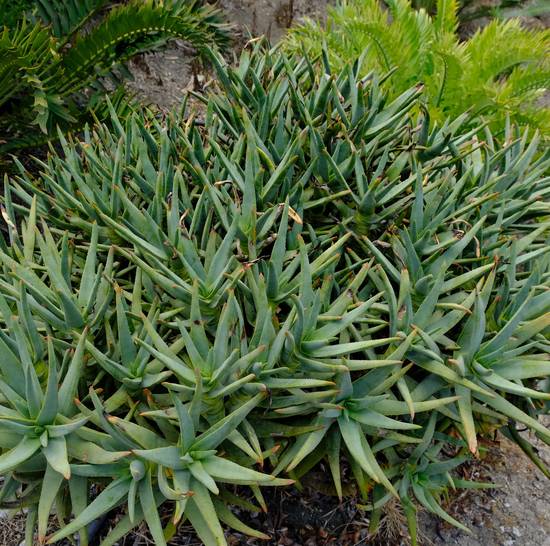
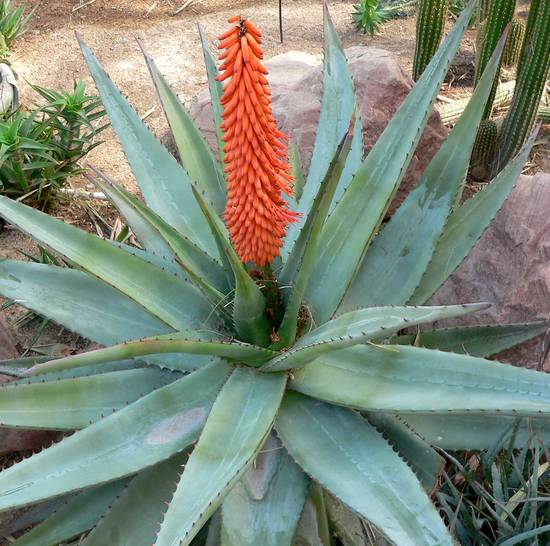
Aloe Arborescens is one of the most spectacular and appreciated aloe species, valued both for its graphic silhouette and its medicinal properties. It forms a large branched shrub with thick stems and elongated blue-green leaves bordered with small white teeth. These leaves are grouped in rosettes around the stems, creating a dense and harmonious structure.

Unlike Aloe Vera, which is better known but often more compact, Aloe Arborescens develops a tree-like silhouette that can reach 2 to 3 meters in the ground. In pots, its growth is more moderate, but it retains its majestic and ornamental appearance. It is particularly sought after for its flamboyant winter flowering, bringing vibrant color when few other plants are in bloom.

In addition to its decorative aspect, it has many traditional uses: in South Africa, it has long been used to treat burns, infections, or to stimulate immunity, and is sometimes nicknamed the “miracle plant”. However, medicinal use requires specific knowledge, and it remains above all a magnificent ornamental plant.

Aloe Arborescens is native to the mountainous regions of southern Africa, notably South Africa, Mozambique and Zimbabwe. It naturally grows on rocky slopes, well exposed to the sun, with very well-draining soil.
To thrive, Aloe Arborescens needs plenty of natural light.

🌞 Outdoors : It appreciates full sun, which promotes compact growth and intensifies leaf colors.

🌤️ Indoors : Place it near a well-exposed bay window, ideally facing south or west.
Like many succulents, Aloe Arborescens fears excess moisture more than drought.

💧 In spring and summer : Water about every 15 days, waiting for the substrate to dry completely between waterings.

❄️ In autumn and winter : Reduce watering to once per month, or stop completely if it is resting in a cool location.
Aloe Arborescens tolerates cold better than other aloe species.

🌡️ Growing temperature : Between 18 and 28 °C.

❄️ Tolerance limit : Down to -2 °C if grown in very well-draining soil. In pots, bring it indoors from 5 °C.
Well-draining soil is the key to successfully growing Aloe Arborescens without risk of rot.

🪨 Mix recommendation : Combine 50% cactus substrate with 25% perlite and 25% pozzolana. This mix mimics its natural conditions and ensures excellent root aeration.
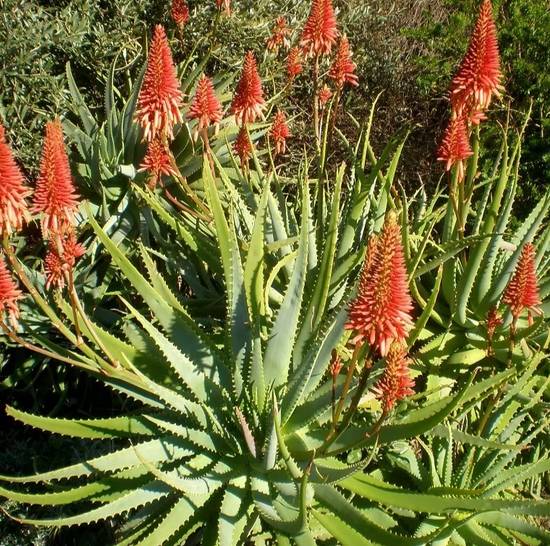
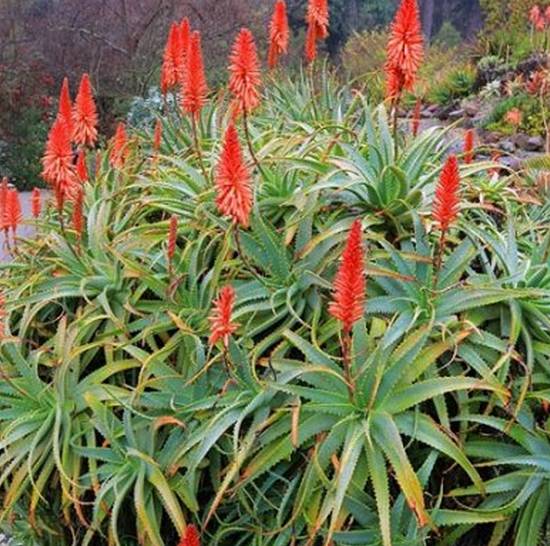
The flowering of Aloe Arborescens is one of its major assets, especially in winter.

🌸 Period : Generally between December and February.

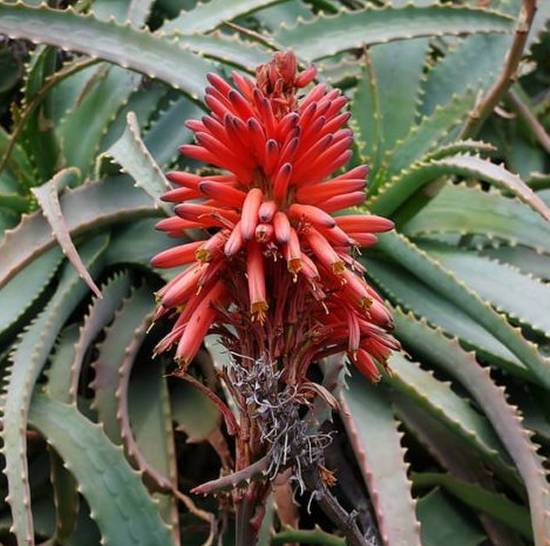
🔥 Characteristics : Upright spikes of coral-red to orange tubular flowers, highly decorative and attractive to pollinators.
FAQ - Aloé Arborescens

How should Aloe Arborescens be watered to avoid rot?
Water moderately and only when the substrate is dry throughout. In winter, reduce watering to a strict minimum. Always use a pot with drainage holes and a well-draining substrate.
What is the ideal substrate for Aloe Arborescens?
A mix of cactus substrate, perlite, and pumice is recommended to prevent excess moisture.
Can Aloe Arborescens be grown indoors?
Yes, provided it receives very bright light. Ideally, place it near a south-facing window to compensate for reduced direct sunlight.
What minimum temperature can Aloe Arborescens tolerate?
It can tolerate temperatures close to 0°C if kept dry, but it is best to bring it indoors once temperatures drop below 5°C.
How can flowering be stimulated in Aloe Arborescens?
Provide a sunny exposure, a cool and dry winter rest period, and fertilize with a succulent fertilizer in spring and summer.
Can Aloe Arborescens be used in cosmetics or home remedies?
Yes, but with caution. Its leaves contain a gel with properties similar to Aloe vera, used to soothe the skin or promote healing.
Can Aloe Arborescens be easily propagated?
Yes, it is easily propagated by offsets. Let the wound dry for several days before replanting in dry substrate.
Why is my Aloe Arborescens turning yellow?
Yellowing may result from overwatering or lack of light. Check the pot drainage and move the plant to a brighter location.
How many times per year should Aloe Arborescens be fertilized?
From March to September, apply a liquid fertilizer for succulents every 4 weeks. Stop all feeding in autumn and winter.
What mistakes should be avoided with Aloe Arborescens?
Avoid overwatering, overly rich substrates, and lack of light. These are the most common causes of decline in this hardy plant.