Aloé Cosmo

Aloé Cosmo
Aloé Cosmo
Aloé Cosmo

Aloé Cosmo

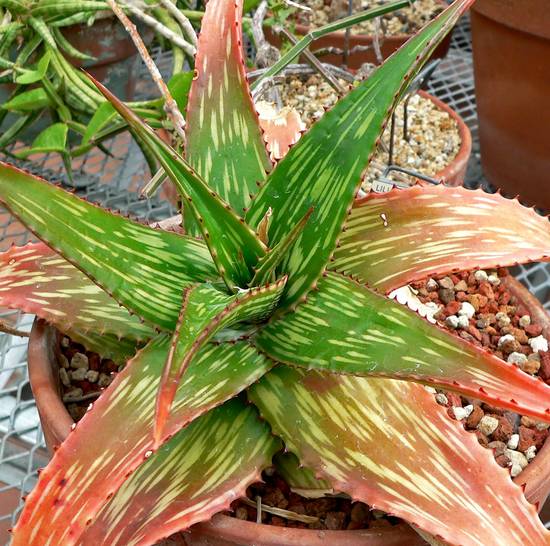
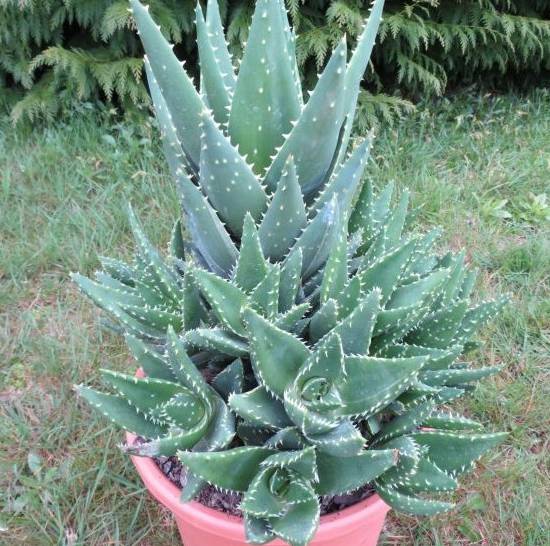
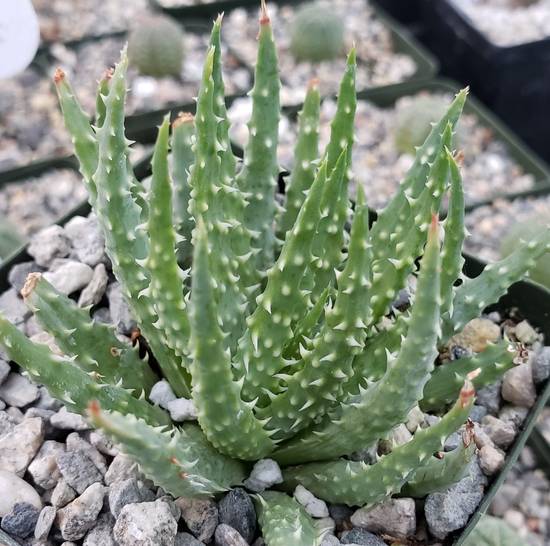
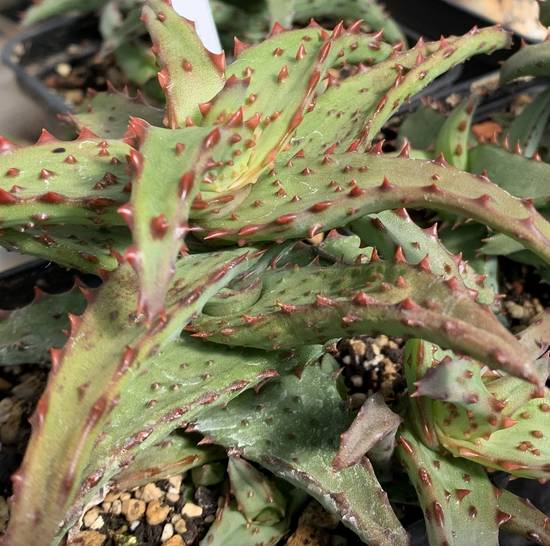
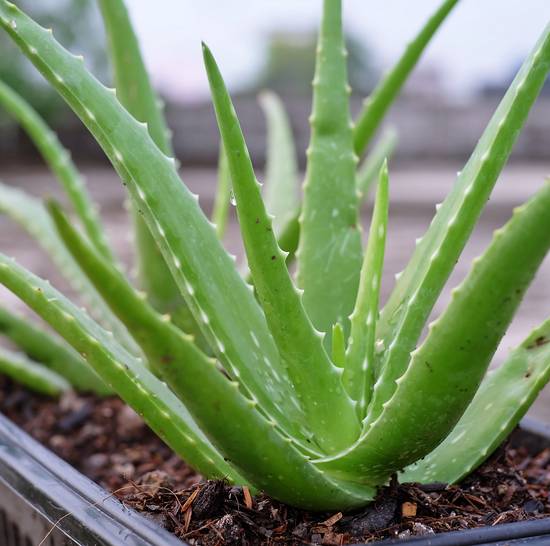
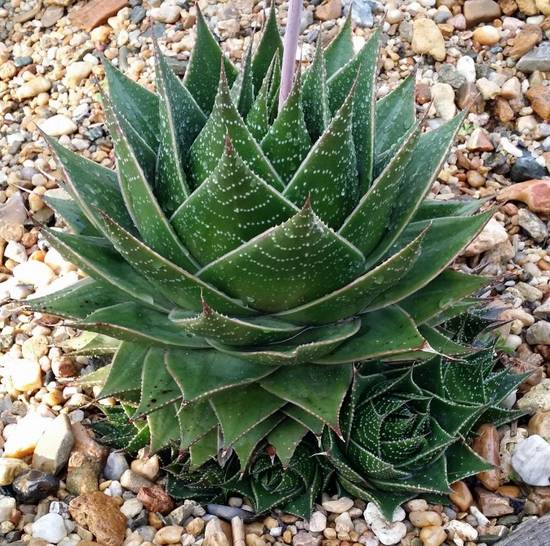
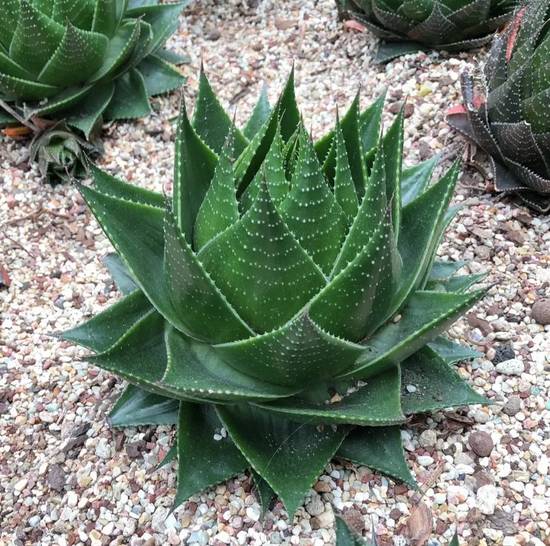
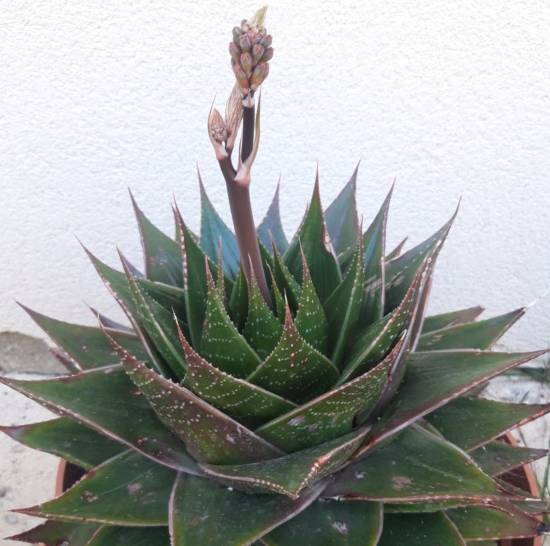
Sculptural and modern, Aloe Cosmo displays a dense rosette of thick leaves finely edged with regular teeth, forming a clean, highly graphic volume. Its bluish-green hue, sometimes dusted with a matte bloom, captures light without glare, giving it a calm yet luxurious presence. From afar, Aloe Cosmo forms a compact “totem” that instantly structures a shelf, windowsill or veranda corner; up close, it reveals a subtle pattern of margins and fibers, ideal for detail lovers.

The personality of Aloe Cosmo lies in its balance: a strong, readable silhouette that never overwhelms space and remains impeccable through the seasons. It works equally well as a focal piece — alone in a deep bowl — or as a rhythmic element in pairs or trios, where its clean lines dialogue with pale gravel, raw terracotta or matte ceramics. In a “modern desert” or japandi décor, Aloe Cosmo combines texture, geometry and mineral tones for a chic, timeless look.

A horticultural hybrid derived from South African aloe lines, Aloe Cosmo inherits the aesthetic of robust rosettes adapted to bright, well-drained mineral settings. Recreating this mineral spirit (light, air, airy support) stabilizes its performance in pots.
Dense rosette and clean lines: Aloe Cosmo reveals its best graphic form in very generous, well-managed light.

🌞 Ideal: progressive gentle full sun or morning sun + strong brightness in the afternoon; summer curtain behind glass.

🏠 Indoors: south/east exposure, weekly rotation, possible LED supplement 10–12 h with good ventilation.
A large succulent with water-storing leaves, Aloe Cosmo prefers thorough watering followed by a long pause.

🌱 Mild season: water deeply when the mix is dry at depth, empty saucer, complete drainage.

🍂 Winter: space watering clearly; substrate almost dry between applications.
Aloe Cosmo loves bright warmth and mainly fears cold humidity.

🌡️ Ideal: 18–30 °C in growth; moving air.

❄️ Minimum: about 2–5 °C dry depending on specimens; avoid prolonged frost.
To mimic its reference rocky settings, Aloe Cosmo requires a very draining and airy medium.

🪨 Base: lightened cactus substrate or soil with perlite; clean pozzolana surface.
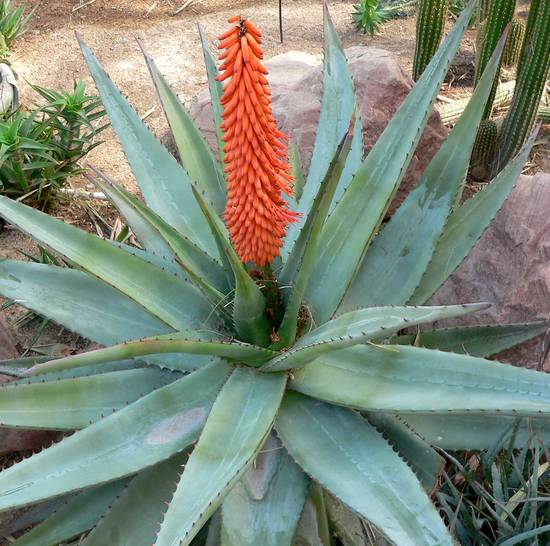
When the cycle is respected, Aloe Cosmo raises highly graphic colored candles.

🌸 Period: late autumn to winter (variable in pots).

🎨 Colors: coral orange/red, sometimes yellow; dense spikes above the rosette.

🕑 Keys: maximum light, stable pot, very moderate feeding.
FAQ - Aloé Cosmo

How to keep Aloe Cosmo compact indoors?
Place near a south/east-facing window, rotate weekly and space watering; use an airy medium such as lightened cactus potting soil.
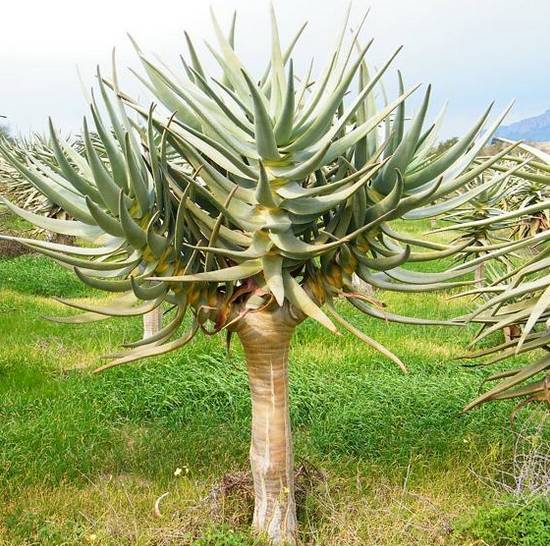
Which pot best showcases a tall-growing Aloe Cosmo?
Choose a deep, heavy terracotta pot; very well-drained base with perlite/drainage granules and a top layer of pumice mulch.
Why do Aloe Cosmo leaves turn reddish?
Often controlled light or water stress; check drainage quality and use clean specialized cactus substrate.
What fertilizer routine for Aloe Cosmo in pots?
Low nitrogen, very diluted, once a month in season: cactus fertilizer or liquid cactus fertilizer.
Can Aloe Cosmo be grown under LED all year round?
Yes: 10–12 hours per day with ventilation; in spring, apply micro-doses of succulent fertilizer.
How to successfully repot Aloe Cosmo without stress?
Use a stable pot, make clean cuts and allow a 5–7 day dry rest; resume watering gradually, then half-strength liquid cactus fertilizer.
What are the signs of overwatering in Aloe Cosmo?
Soft or translucent bases; keep dry, check drainage and repot into a suitable mix if needed.
Which decorative pairings suit Aloe Cosmo for a modern desert style?
Pair with dwarf Agaves, Haworthia and Echinopsis; mineral décor with clean pumice mulch enhances the desert look.
Can Aloe Cosmo stay outdoors in summer?
Yes after acclimatization: morning sun and moving air; bring indoors before cold nights.
What is the best water for Aloe Cosmo in pots?
Prefer low-lime water; always empty the saucer after watering to prevent stagnation.