Aloé Aristata

Aloé Aristata
Aloé Aristata
Aloé Aristata

Aloé Aristata

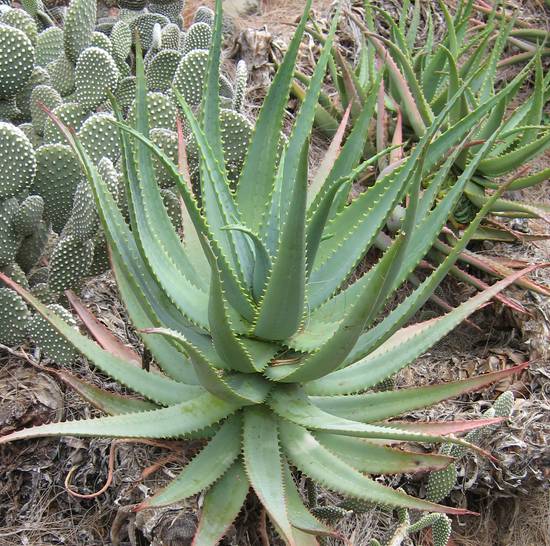
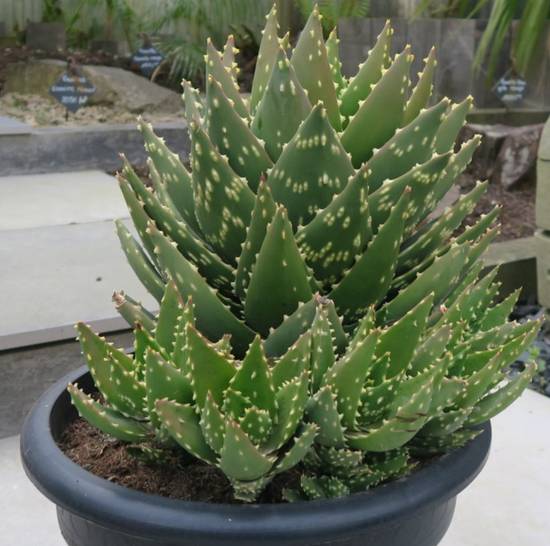
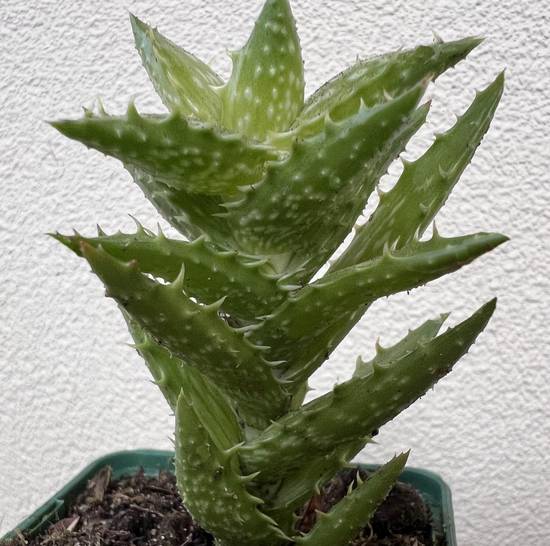
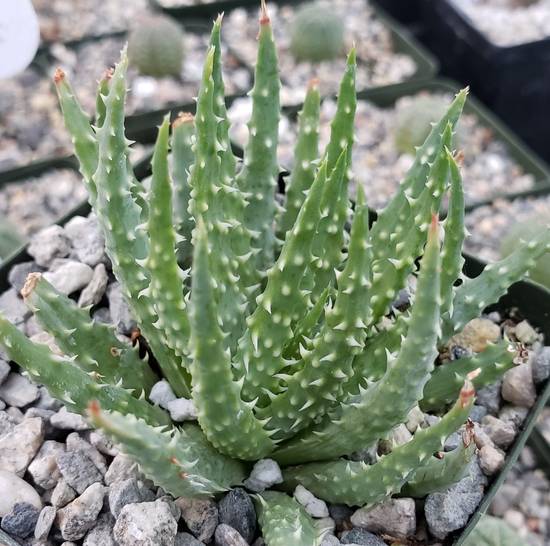
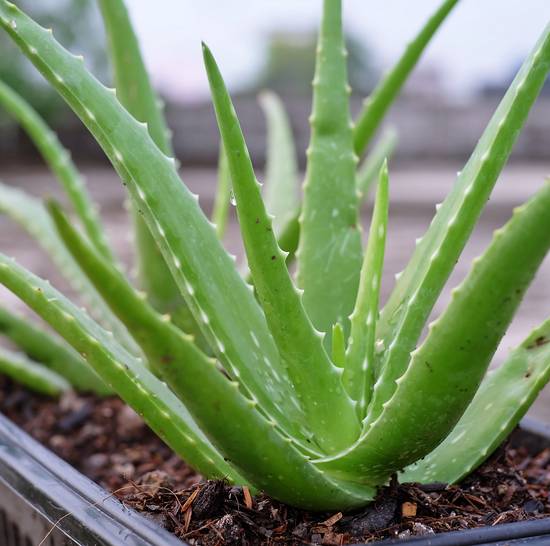
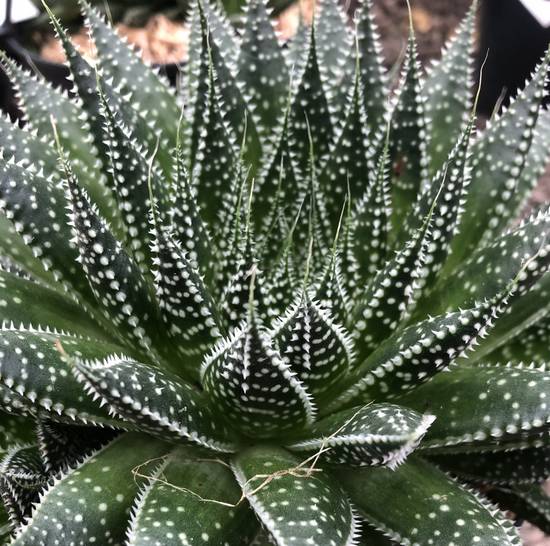
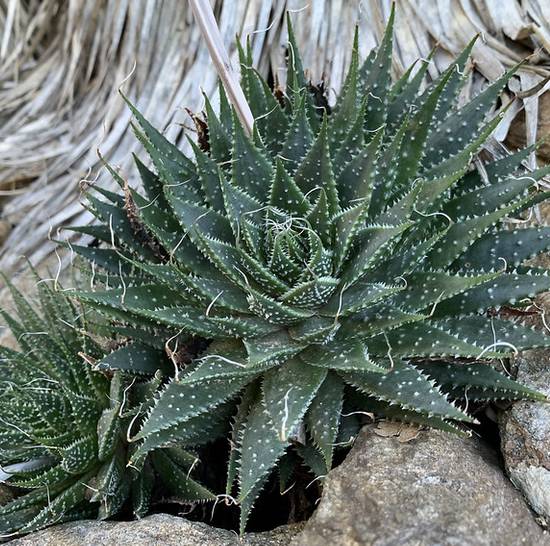
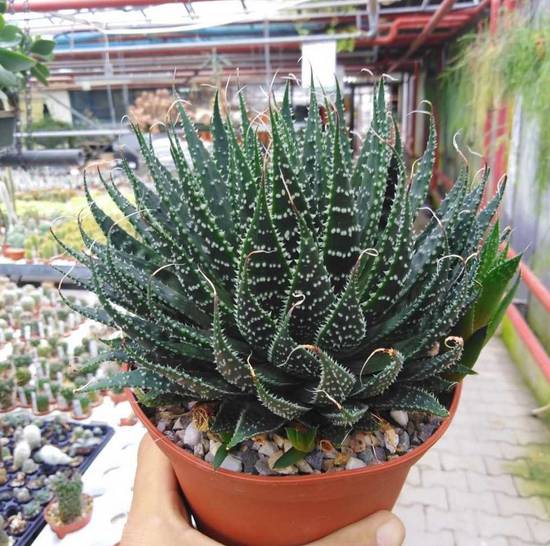
Aloe Aristata is one of the best-known and most appreciated succulents in the horticultural world. With its compact shape, fleshy leaves decorated with small white spots and ciliate tips, it appeals to collectors and beginners alike. Unlike large tree-like aloes, this species remains small, making it perfect for modern interiors, balconies, or even plant terrariums.

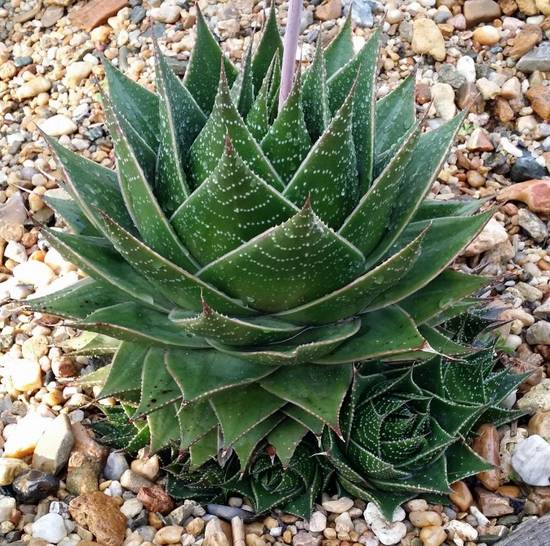
Forming dense rosettes, Aloe Aristata stands out with its dark green leaves marked with irregular whitish dots and finished with a small soft spine. It sometimes resembles certain haworthias, which has earned it the nickname “false haworthia aloe.” Its rosettes generally measure between 15 and 20 cm in diameter and quickly produce numerous offsets, forming true plant cushions over the years.

In nature, Aloe Aristata grows on rocky soils, often on mountain slopes, where it benefits from light filtered by rocks. These conditions have allowed it to develop great tolerance to climatic variations: intense heat during the day, cool nights, and long periods of drought.
Aloe Aristata enjoys light but must be protected from excess:

🌤️ Ideal light: Place in a bright location near an east- or southeast-facing window.

🌞 Gentle sun: Appreciates a few hours of direct sun in the morning or late afternoon.

⚠️ Avoid: Harsh afternoon rays that may leave brown marks on its leaves.
Aloe Aristata requires moderate and regular watering:

🌱 Spring / summer: Water about every 2 weeks, allowing the substrate to dry before the next watering.

🍂 Autumn / winter: Space watering significantly; sometimes once per month is enough.

Tip: A mix enriched with perlite or pozzolana prevents excess moisture.
Aloe Aristata is resilient but has limits:

🌞 Ideal: Between 18 °C and 26 °C.

❄️ Tolerance: Can withstand occasional drops to 5 °C but not prolonged frost.

🏠 Tip: In winter, place it in a bright, cool room away from radiators.
Very well-draining soil is key to success:

🪨 Recommended substrate: Mix of special cactus soil, coarse sand and perlite.

💡 Fertilizer: In summer, apply succulent fertilizer every 4 to 6 weeks to promote healthy growth and flowering.
The flowering of Aloe Aristata is colorful and striking:

🌸 Period: Usually in spring or early summer.

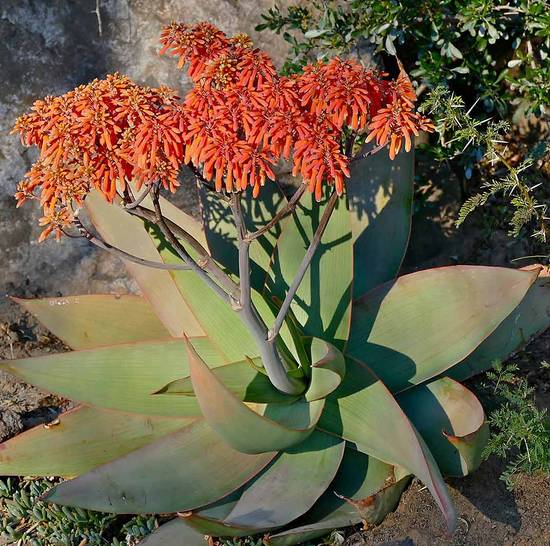
🎨 Colors: Upright flower stalks bearing numerous red-orange tubular flowers.

🕑 Duration: Several weeks, adding a vibrant touch to succulent collections.
FAQ - Aloé Aristata

Can Aloe Aristata grow indoors?
Yes, it grows perfectly indoors as long as it receives good light and well-draining substrate.
Does Aloe Aristata tolerate cold?
It tolerates a few cool nights down to 5 °C, but it is advisable to bring it indoors before winter in regions prone to frost.
What is the difference between Aloe Aristata and a haworthia?
Their resemblance is striking, but Aloe Aristata produces large colorful flower stalks, whereas haworthias have more discreet white flowers.
Can Aloe Aristata be easily propagated?
Yes, it produces many offsets that can be separated and replanted in special cactus soil.
Does Aloe Aristata require a lot of watering?
No, watering every two weeks in summer and monthly in winter is more than sufficient.
Is Aloe Aristata toxic to animals?
Unlike some medicinal aloe varieties, it is generally considered non-toxic to animals.
Can Aloe Aristata be grown outdoors?
Yes, in regions with a mild climate, ensuring it is placed in a bright spot protected from frost.
What are the main risks for Aloe Aristata?
The greatest danger is overwatering, which quickly causes root rot.
What is the lifespan of Aloe Aristata?
It can live more than 15 years if properly maintained and propagated.
Does Aloe Aristata bloom easily in a pot?
Yes, if it benefits from good sunlight and suitable fertilizer during the growing season.