Aloé Ferox

Aloé Ferox
Aloé Ferox
Aloé Ferox

Aloé Ferox

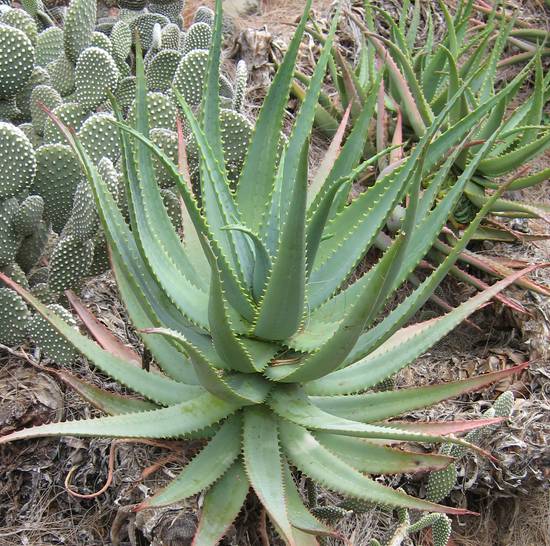
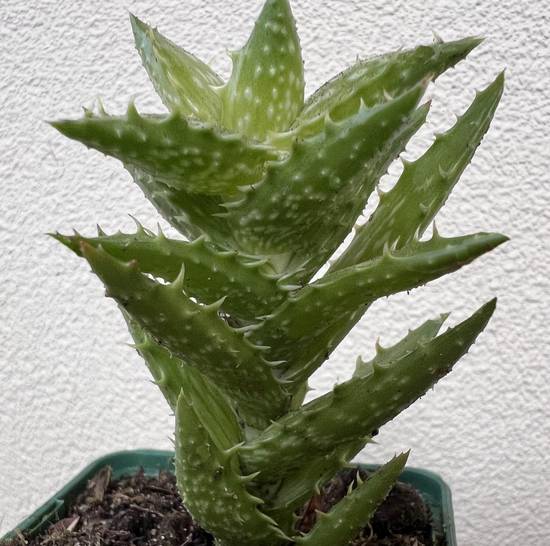
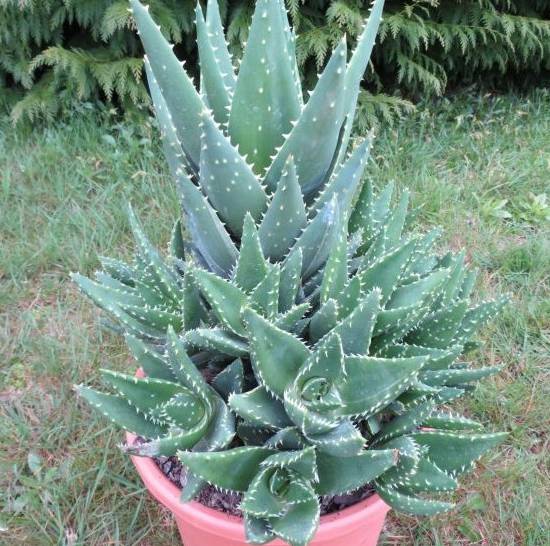
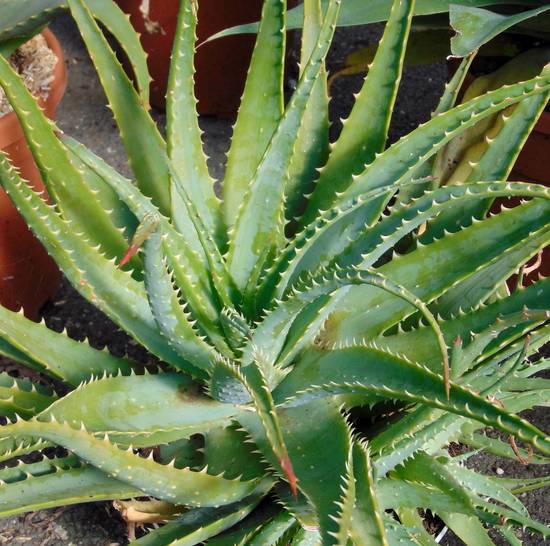
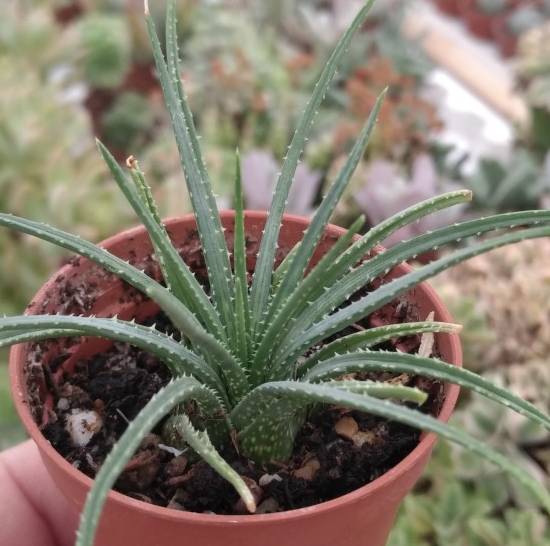
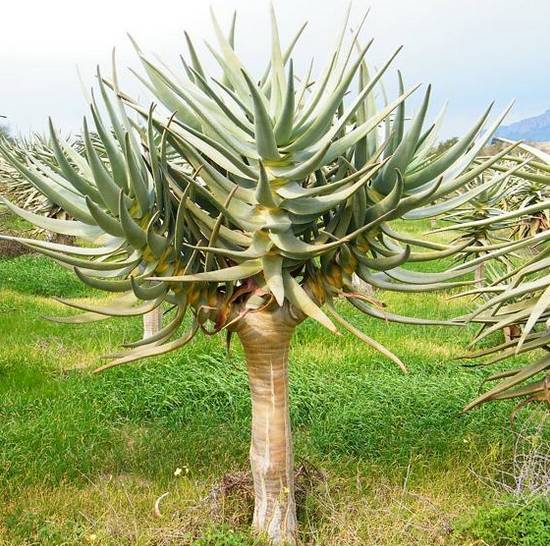
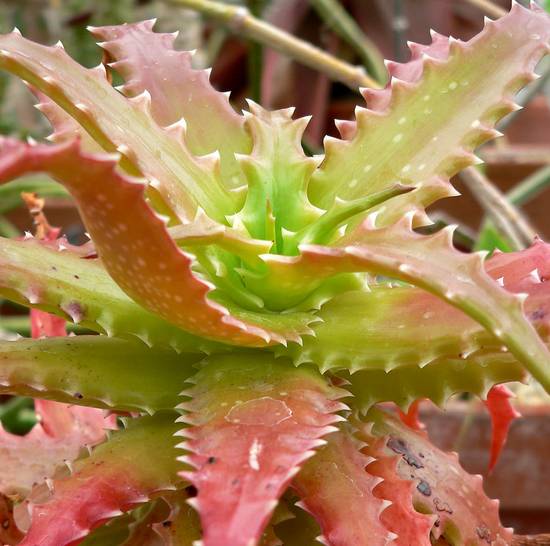
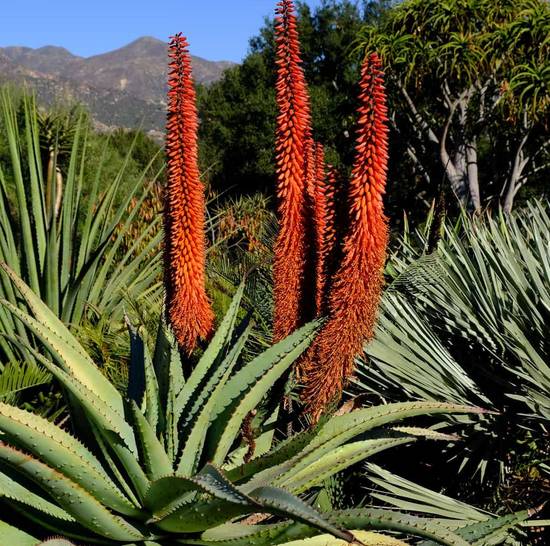
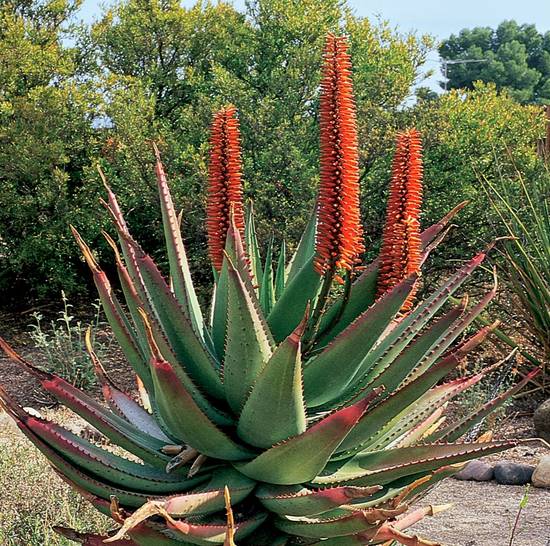
An iconic figure of South African landscapes, Aloe Ferox combines strength and elegance: a large fleshy rosette set atop a trunk that forms with age, thick leaves edged with regular spines, and the presence of a living sculpture that captures light. Its bluish-green to glaucous skin may develop a powdery bloom; the dried bases of old leaves can form a protective skirt that enhances its graphic character. In display, Aloe Ferox imposes a gentle verticality: it structures a patio, a very bright balcony or a sun-filled room while maintaining a calm, architectural presence.

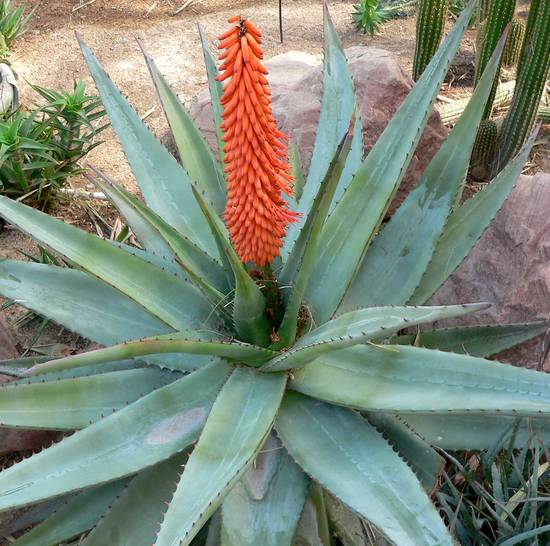
Its silhouette reads at several scales: from afar, a strong column crowned by a starry rosette; up close, a pattern of regular teeth and fibers that tells the story of adaptation to arid regions. The dense, candle-like inflorescences transform the plant into a true seasonal totem and irresistibly draw the eye. Long-lived, it evolves slowly, allowing time to compose a sober mineral décor — terracotta, stoneware, matte ceramics, pale gravel — where its sculptural foliage plays with light and shadow.

Native to southern Africa, Aloe Ferox inhabits rocky slopes and open plateaus of semi-arid regions, often on stony soils with rapid drainage and under intense light. Recreating this spirit — mineral substrate, brightness, air circulation — stabilizes its cultivation in pots.
Dense rosette, solid trunk: Aloe Ferox thrives in very generous, well-managed light.

🌞 Ideal: progressive full gentle sun or morning sun + strong brightness in the afternoon; curtain in summer behind glass.

🏠 Indoors: south/east exposure, weekly rotation, possible LED supplement 10–12 h with good ventilation.
A large succulent with a large rhythm: Aloe Ferox prefers thorough watering followed by a long pause.

🌱 Mild season: water deeply when the mix is dry at depth, empty saucer, complete drainage.

🍂 Winter: space watering greatly; substrate almost dry between applications.
Aloe Ferox loves bright warmth and dislikes cold humidity.

🌡️ Ideal: 18–30 °C in growth; moving air.

❄️ Minimum: about 2–5 °C dry depending on specimens; no prolonged frost.
To mimic its native rocky slopes, Aloe Ferox requires a very draining and airy mix.

🪨 Base: lightened cactus substrate or soil with perlite; clean pozzolana surface.
When the cycle is respected, Aloe Ferox raises spectacular colored candles.

🌸 Period: late autumn to winter (variable in pots).

🎨 Colors: orange, brick red to coral, sometimes yellow; dense, highly graphic spikes.

🕑 Keys: maximum light, stable pot, very moderate feeding.
FAQ - Aloé Ferox

How to keep Aloe Ferox compact indoors?
Place near a south/east window with weekly rotation, spaced watering and airy mix such as lightened cactus potting soil with perlite.
Which pot best showcases a tall-growing Aloe Ferox?
Choose a deep, heavy terracotta pot; very well-drained base with perlite/drainage granules and pumice mulch on top.
What fertilizer routine for Aloe Ferox in pots?
Low nitrogen, very diluted, once a month in season: cactus fertilizer or liquid cactus fertilizer.
Why do Aloe Ferox leaves turn reddish?
Often light or water stress; ensure good drainage and clean specialized cactus substrate.
Can Aloe Ferox overwinter outdoors in a mild climate?
Yes if kept dry and protected from frost; use pumice mulch and bring indoors if wet cold is forecast.
How to encourage flowering in Aloe Ferox?
Maximize light, keep a stable pot, drier winter rest and very moderate succulent fertilizer applications.
Does Aloe Ferox tolerate severe repotting?
Yes with a dry pause of 5–7 days; resume watering gradually and apply half-strength liquid cactus fertilizer in season.
What watering routine should be adopted in summer for Aloe Ferox?
Water thoroughly in the morning once the soil is dry deep down, then empty the saucer; provide shade behind glass during the hottest hours.
How to prevent mealybugs on Aloe Ferox?
Ensure good air circulation, occasional lukewarm showers and a clean crown; use healthy, well-drained cactus substrate with mineral mulch.
Which decorative pairings suit Aloe Ferox?
Pair with dwarf Agaves, Echinopsis and light gravel; complement with light applications of cactus fertilizer in spring.