Agave Maculata

Agave Maculata
Agave Maculata
Agave Maculata

Agave Maculata

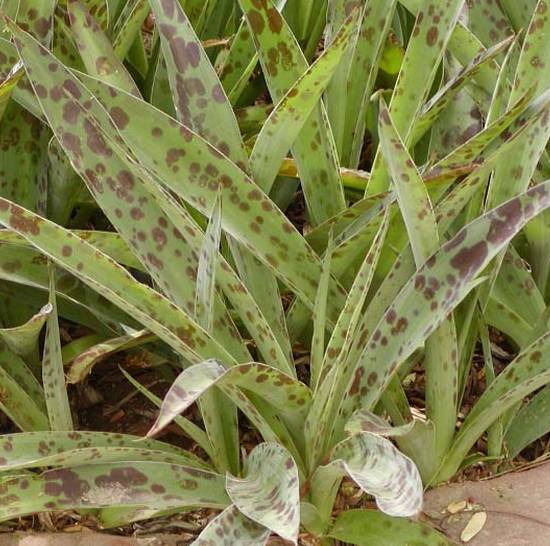
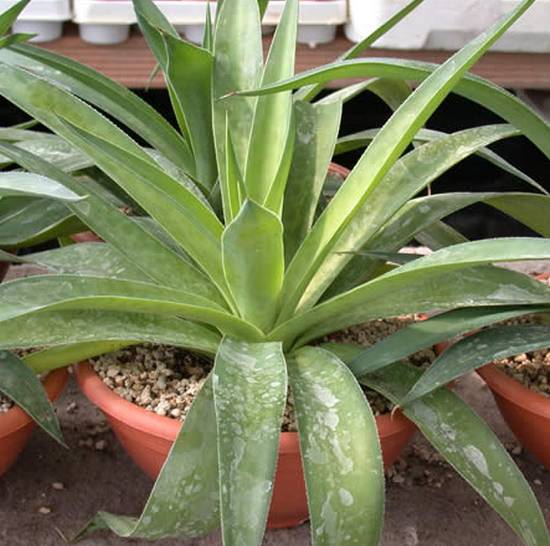
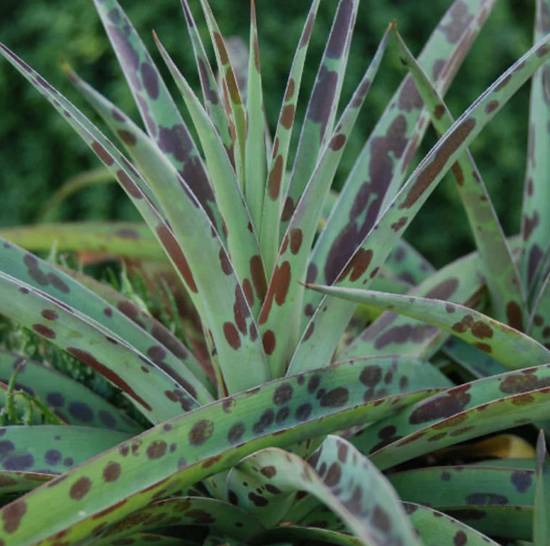
The Agave Maculata, sometimes called “Texas tuberose” or formerly classified under the name Manfreda Maculosa, is an agave with a completely atypical appearance, distinguished by its long, flexible leaves speckled with purple or brown spots on a light green background. Unlike rigid and structured agaves such as Filifera or Titanota, this species adopts a more relaxed, almost reptilian look, evoking a wild and mysterious plant.

Its leaves are strap-shaped, often wavy along the edges, and form a low rosette that generally does not exceed 30 to 40 cm in diameter. The purple macules (spots) that mark its leaves are a unique aesthetic signature of this species. This original pattern, combined with an impressive flowering on long upright stalks, makes Agave Maculata a sought-after species in ornamental cultivation, especially in rock gardens or in pots.

In nature, Agave Maculata grows in open prairies, sandy areas and light woodlands of Texas and northeastern Mexico. It tolerates poor, well-drained soils, often exposed to intense heat and prolonged drought. Its tuberous root system allows it to draw water from deep underground and to withstand prairie fires and trampling.
Agave Maculata appreciates generous light, but is more tolerant than other agaves of partially shaded exposures:

🌞 Full sun : It develops its best colors there, with darker spots and more compact leaves.

🌤️ Partial shade : Tolerated, especially in very hot regions.

🌿 Warning : Lack of light may fade the purple markings and cause soft growth.
This species prefers slightly more regular watering than classic agaves, without excess:

🌱 Spring/summer : Water every 10 to 15 days, allowing the substrate to dry between waterings.

🍂 Winter : Greatly reduce watering, especially if the plant is dormant.

💧 Tip : Water at the base without wetting the leaves to avoid fungal diseases.
Agave Maculata is adapted to warm climates, but also tolerates moderate winters:

🌡️ Ideal temperature : between 20 and 30 °C

❄️ Hardiness : down to –8 °C in dry, well-drained soil

🏡 Container cultivation : ideally bring indoors in winter in regions with humid or cold winters
🪨 As with all Agaves, a well-draining substrate is essential to prevent rot: cactus substrate base + perlite to lighten the mix

– + pozzolana if grown outdoors
The flowering of Agave Maculata is spectacular and more frequent than in other agaves:

🌸 Period : in spring or summer depending on climate

📏 Flower stalk : up to 1.5 meters high

🎨 Flowers : tubular, reddish to purplish, very nectar-rich (attract hummingbirds and bees)

🕑 After flowering : the plant can survive and bloom again
FAQ - Agave Maculata

What exposure is recommended for Agave Maculata?
It prefers full sun but tolerates partial shade. Indoors, a sunny window is ideal to maintain its attractive purple spots.
What is the best substrate for Agave Maculata?
Choose a cactus substrate mixed with perlite or pumice for optimal drainage.
How should Agave Maculata be watered properly?
During the growing season, water every 10 to 15 days without leaving standing water. In winter, reduce watering significantly. Always allow the substrate to dry completely between waterings.
Can Agave Maculata be grown in a pot?
Yes, especially in cold climates. It thrives in a pot with drainage holes and well-draining substrate, and can be brought indoors in winter.
Is Agave Maculata frost hardy?
It tolerates temperatures down to –8°C if kept dry. However, it is sensitive to prolonged winter moisture.
When does Agave Maculata bloom?
It usually blooms in spring or summer, depending on conditions. Its tall flower stalk attracts insects and pollinating birds.
Does the plant die after flowering?
No. Unlike many other agaves, Agave Maculata can bloom more than once and does not necessarily die after flowering.
What fertilizer should be used for Agave Maculata?
Use a low-dose cactus fertilizer once a month from March to September.
Can Agave Maculata be propagated?
Yes, by rhizome division or by seed. Mature plants may also produce offsets.
How can you recognize overwatering or underwatering in Agave Maculata?
Overwatering causes yellowing or a soft base. Underwatering leads to limp or curled leaves. When in doubt, wait before watering.