Agave Lophantha Quadricolor

Agave Lophantha Quadricolor

Agave Lophantha Quadricolor

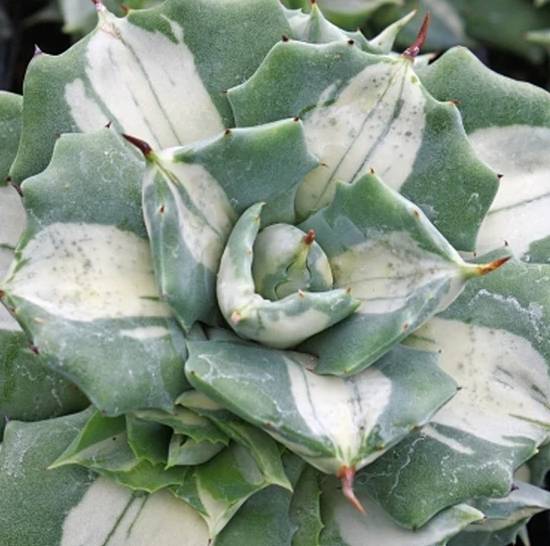
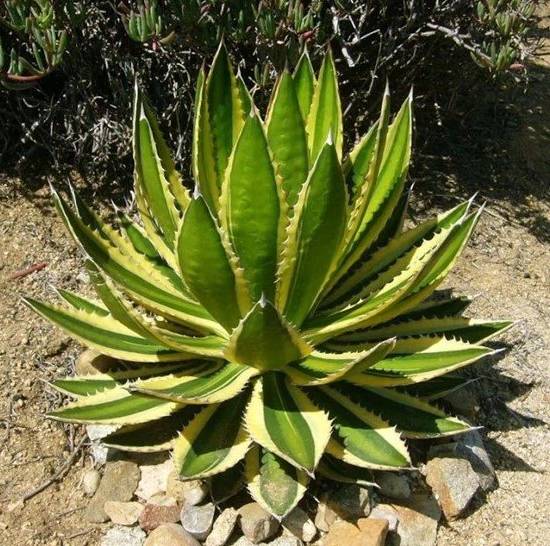
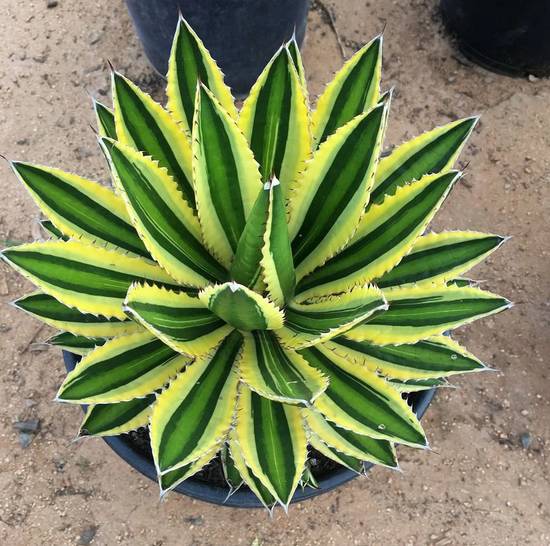
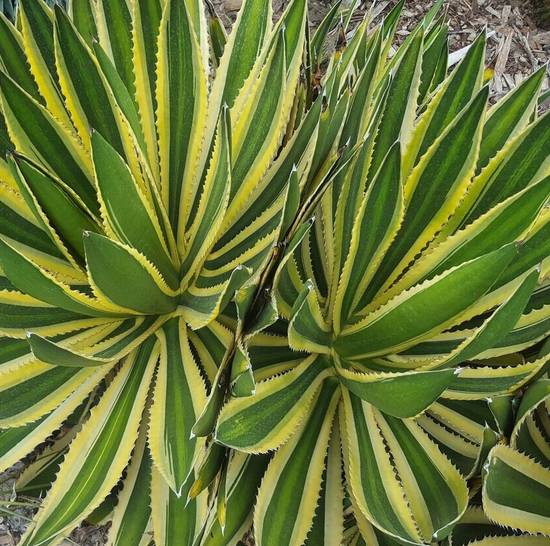
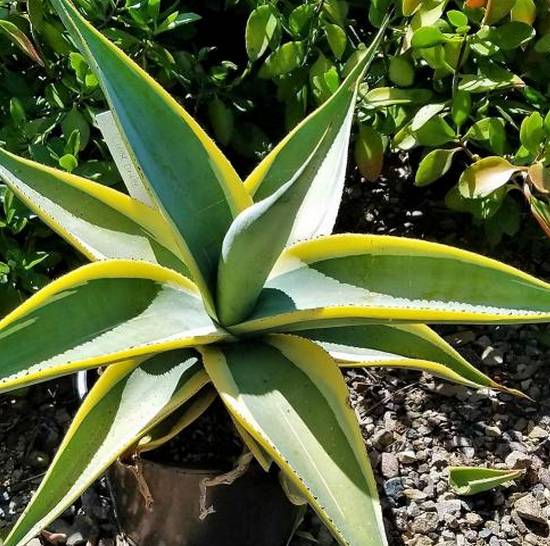
The Agave Lophantha Quadricolor is a compact, spectacular agave highly prized for its exceptionally colorful foliage. As its name suggests, it stands out for the presence of four distinct shades on the same leaf: a deep dark green in the center, bordered by light green, golden yellow, and finally reddish or brown margins dotted with small regular teeth. This multicolored appearance gives the plant a striking ornamental effect, especially appreciated in rock gardens, decorative pots, or arrangements with other succulents.

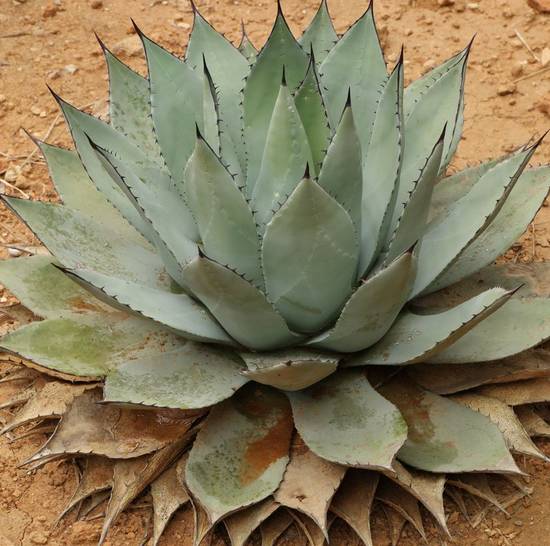
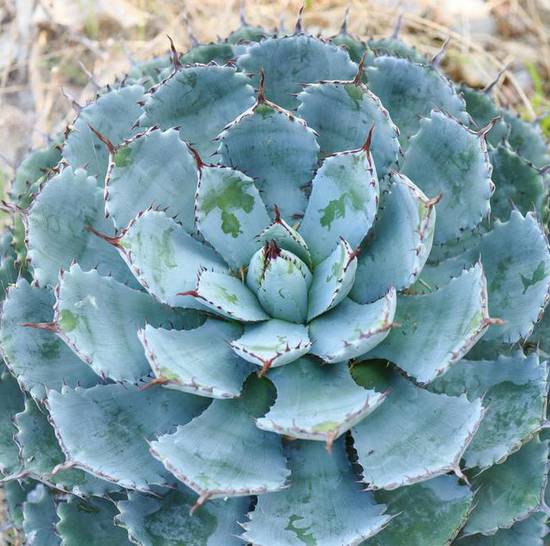
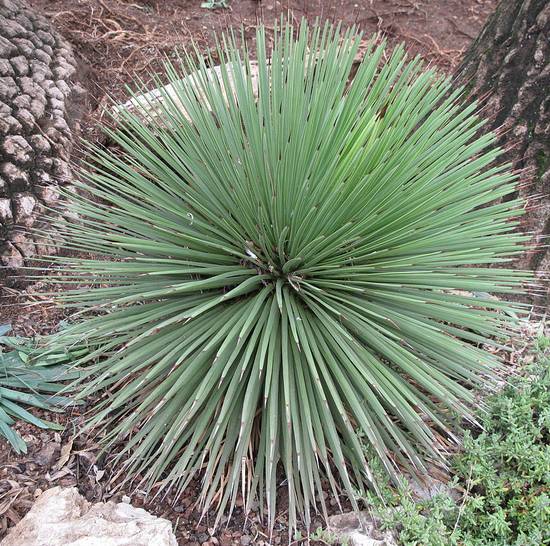
This agave forms a dense, symmetrical and relatively low rosette, generally between 30 and 45 cm in diameter at maturity. Its growth is moderately fast for an agave, and it readily produces offsets, allowing colorful colonies to form within a few years. Unlike other more rigid species, its leaves are slightly flexible, with a smooth and glossy texture that beautifully reflects sunlight.

This agave originates from the arid regions of northeastern Mexico, particularly in the states of Tamaulipas and Nuevo León. In its natural habitat, it grows on rocky slopes or limestone soils, exposed to strong sunlight and prolonged drought. The “Quadricolor” form is a horticultural selection derived from the species Agave lophantha, chosen for the richness of its natural variegation and its compact habit.
Agave Lophantha Quadricolor loves the sun and needs light to develop its beautiful colors :

🌞 Outdoors : full sun recommended, at least 5 to 6 hours per day for vivid colors.

🌤️ Indoors : suitable if placed immediately near a well-exposed window (south or west).

💡 Tip : partially shaded exposure is tolerated, but colors will be less intense.
Like all agaves, Agave Lophantha Quadricolor prefers spaced watering :

💧 Spring / Summer : water every 15 to 20 days, allowing the substrate to dry completely.

❄️ Autumn / Winter : space watering to once a month, or suspend completely if the plant is kept cool.

⚠️ Reminder : absolutely avoid excess water in the rosette or persistent moisture around the roots.
Agave Lophantha Quadricolor is relatively hardy :

🌡️ Ideal : between 20 and 28 °C.

❄️ Cold resistance : tolerates down to –5 °C in dry soil, but it is preferable to protect it in case of prolonged frost.

🏡 Pot cultivation : it can be brought indoors for winter, in a bright and well-ventilated room.
🪨 A very well-draining substrate is essential to avoid any risk of rot: cactus substrate base, add 30 to 40% perlite, finish with a layer of pozzolana on the surface to prevent stagnant moisture
The flowering of Agave Lophantha Quadricolor is rare but decorative :

🌼 Flower stalk : a slender central stem bearing numerous small greenish-yellow flowers.

Cycle : monocarpic plant — it dies after flowering, but produces numerous offsets in compensation.
FAQ - Agave Lophantha Quadricolor

Is Agave Lophantha Quadricolor frost-resistant?
It can tolerate temperatures down to –5 °C in very dry soil, but it must be protected from cold moisture to prevent rot.
What substrate is suitable for Agave Lophantha Quadricolor?
A good cactus substrate with 40% perlite and pumice is ideal.
How should you water Agave Lophantha Quadricolor without overwatering?
Always allow the substrate to dry out between waterings. In summer, water every 2 to 3 weeks; in winter, once a month is sufficient.
Can Agave Lophantha Quadricolor be grown indoors?
Yes, as long as it benefits from maximum light, such as near a south- or west-facing window.
Why are the leaves of Agave Lophantha Quadricolor losing their color?
A lack of light is often the cause. Place it in full sun or under very intense light.
When should Agave Lophantha Quadricolor be repotted?
Every 2 to 3 years, in spring, with fresh and well-draining substrate to promote growth and limit diseases.
Should fertilizer be used for Agave Lophantha Quadricolor?
Yes, a fertilizer suitable for cactus can be applied once a month from May to August.
Does Agave Lophantha Quadricolor produce offsets?
Yes, it easily produces offsets at the base, which makes propagation very simple.
What are the signs of overwatering in Agave Lophantha Quadricolor?
Soft leaves, a base that turns black or rots, or slowed growth: all these symptoms indicate overwatering.
How should Agave Lophantha Quadricolor be protected in winter?
Bring it indoors if temperatures drop below 0 °C, or cover it with a winter fleece if planted in the ground. Avoid any persistent moisture.