Agave Filifera

Agave Filifera
Agave Filifera
Agave Filifera

Agave Filifera

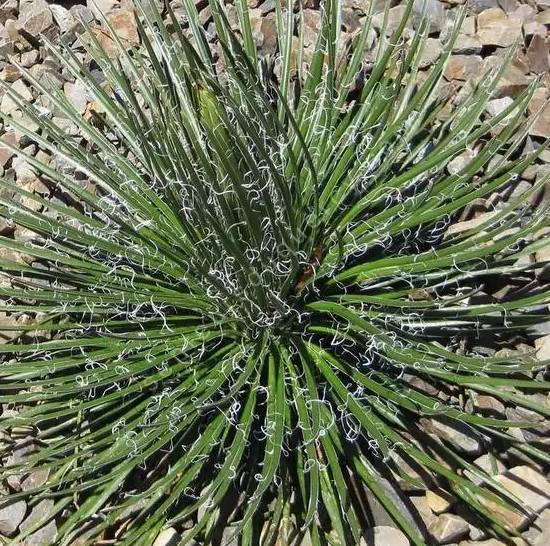
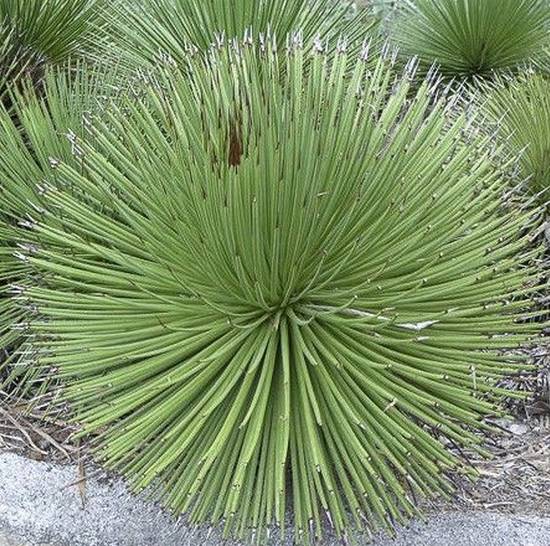
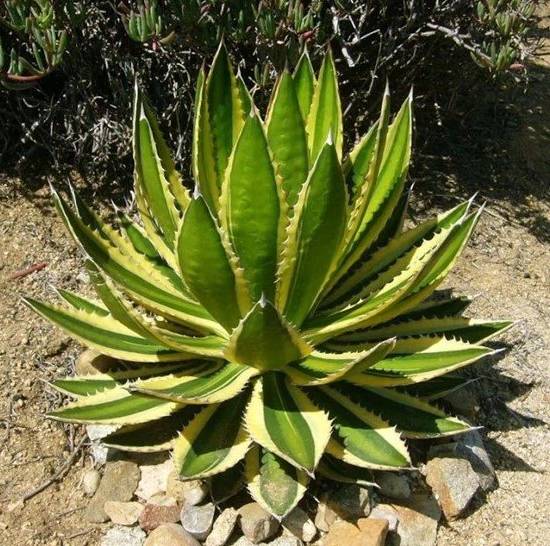
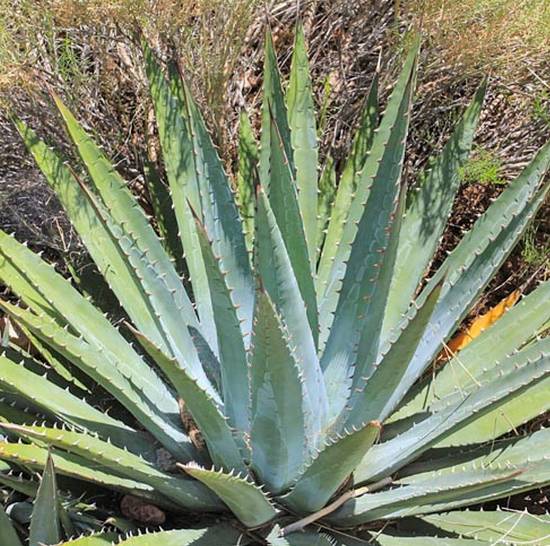
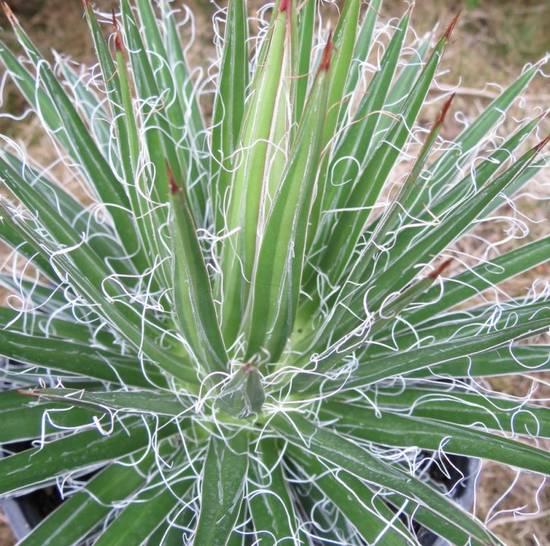
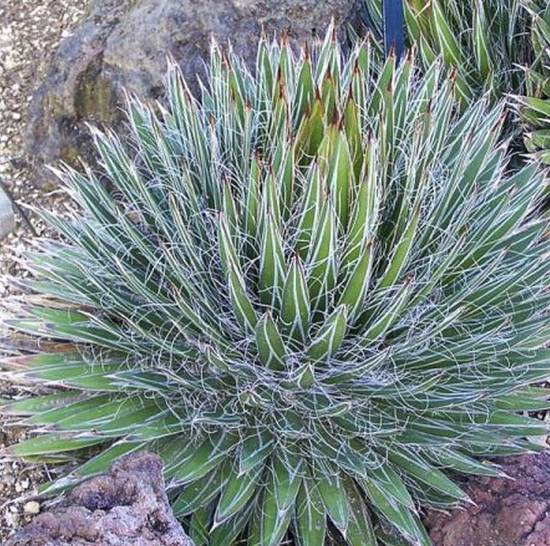
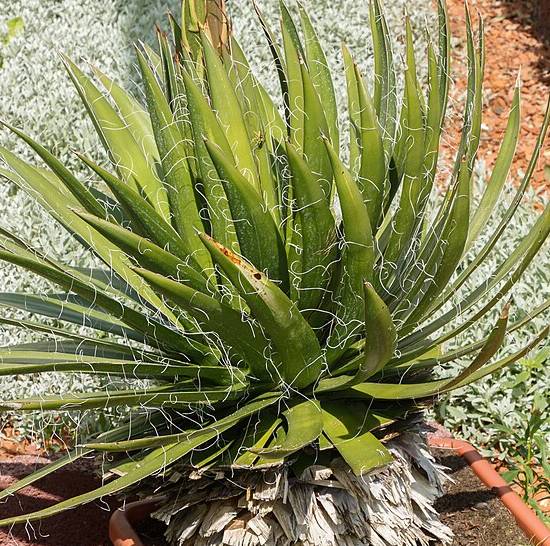
The Agave Filifera, also called the "thread agave", is a small marvel of the genus Agave, particularly appreciated for its foliage adorned with fine white fibers that naturally curl around the leaves. This plant offers an original and graphic aesthetic, both rustic and elegant, making it very popular among collectors as well as beginner gardeners.

This agave forms a dense and symmetrical rosette that can reach 50 to 60 cm in diameter. Its narrow, elongated and rigid leaves display a dark green color sometimes marbled with lighter lines. The margins are dotted with long spiral white filaments, giving the plant a very ornamental, almost artistic appearance. Despite its relatively small size, Agave Filifera immediately draws attention in a bed, on a terrace or in a pot.

Its growth is slow but steady, making it a perfect candidate for container cultivation. It is also resistant to drought, wind and moderate temperatures. With very little maintenance, it can live for many years and offer a beautiful star-shaped silhouette.

In nature, Agave Filifera grows on rocky, well-drained soils, often at altitudes above 1,500 meters. It is found in areas where temperatures vary greatly between day and night, making it a very adaptable plant. Its dense foliage and protective fibers are natural adaptations against wind and excessive evaporation.
To fully thrive, Agave Filifera needs maximum light:

🌞 Full sun recommended : Direct exposure helps maintain its compact shape and strengthens leaf color and vigor.

🌤️ Indoors : Place it near a bay window, ideally facing south or west.

💡 Insufficient exposure causes leaf elongation and loss of vitality.
Like all agaves, it prefers spaced watering:

🌱 Spring/summer : Water every 2 to 3 weeks depending on temperatures. Allow the substrate to dry completely before watering again.

🍂 Autumn/winter : Reduce drastically. One watering per month is sufficient if kept at room temperature. No watering if wintered in cool conditions.

⚠️ Excess water = major risk : Agave roots rot very quickly if left in stagnant moisture.
Agave Filifera tolerates cold relatively well if conditions are dry:

🌡️ Ideal temperature : between 20°C and 28°C.

❄️ Hardiness : down to –6°C occasionally if the soil is perfectly drained.

🏠 Container cultivation : bring it indoors as soon as temperatures drop below 5°C, especially in humid climates.
🪨 Drainage is essential to prevent any risk of rot. Prepare an airy mix composed of: cactus substrate enriched with perlite to lighten the texture or pozzolana to aerate and stabilize.
Agave Filifera is monocarpic: it flowers only once in its life:

🌸 Late flowering : often after 10 to 15 years

📏 Flower stalk : up to 2 to 3 meters high

🎨 Flowers : pale green to light yellow, in branched clusters

🕑 After flowering : the main rosette dies, but may produce offsets
FAQ - Agave Filifera

What exposure is ideal for Agave Filifera?
It requires maximum light. Outdoors, full sun is recommended. Indoors, place it near a south- or west-facing window to prevent leaf elongation.
What is the right substrate for Agave Filifera?
Choose a cactus substrate lightened with perlite or pumice. This ensures excellent drainage and prevents root rot.
How can overwatering be avoided with Agave Filifera?
Always wait until the substrate is completely dry before watering. A pot with drainage holes and a well-draining mix are essential. If leaves become soft or the base darkens, reduce watering immediately.
Is Agave Filifera frost hardy?
Yes, down to –6°C if the soil remains dry. However, it prefers frost-free wintering, especially in humid climates. In pots, bring it indoors once temperatures reach 5°C.
When does Agave Filifera bloom?
It blooms after 10 to 15 years, producing a tall flower stalk. The main rosette then dies, but it may produce basal offsets.
Can Agave Filifera be grown indoors?
Yes, it adapts well to pot cultivation provided it receives very intense light. It is perfect for a conservatory or a bright window.
How should Agave Filifera be repotted without damage?
Wear gloves to avoid the sharp tips. Gently free the roots, check their condition, and replant in a slightly larger pot with dry, well-draining substrate. Do not water immediately after repotting.
What fertilizer should be used for Agave Filifera?
Use a low-nitrogen cactus fertilizer once a month during the growing season. This encourages denser foliage without excessive growth.
Does Agave Filifera produce offsets?
Sometimes, especially after flowering. These offsets can be separated and replanted once rooted.
Is Agave Filifera suitable for beginners?
Absolutely! Its hardiness, low water needs, and long-lasting beauty make it an excellent plant for beginners.