Agave Pumila

Agave Pumila
Agave Pumila
Agave Pumila

Agave Pumila

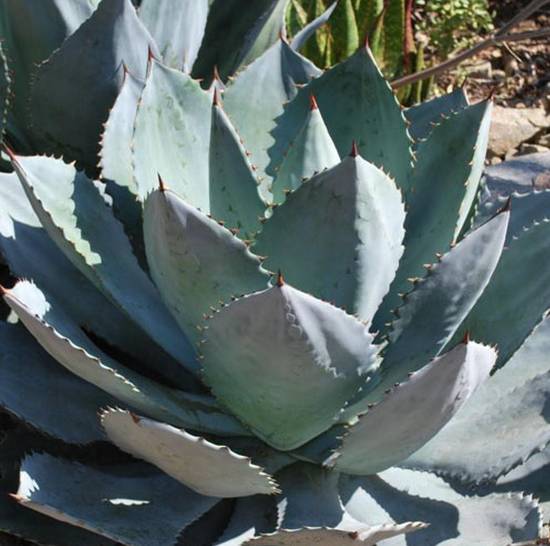
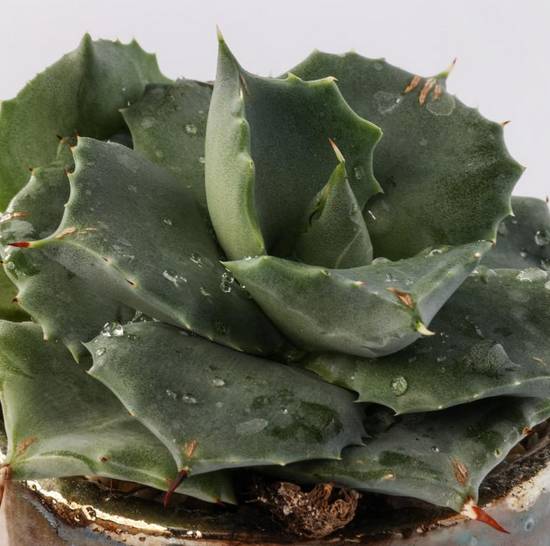
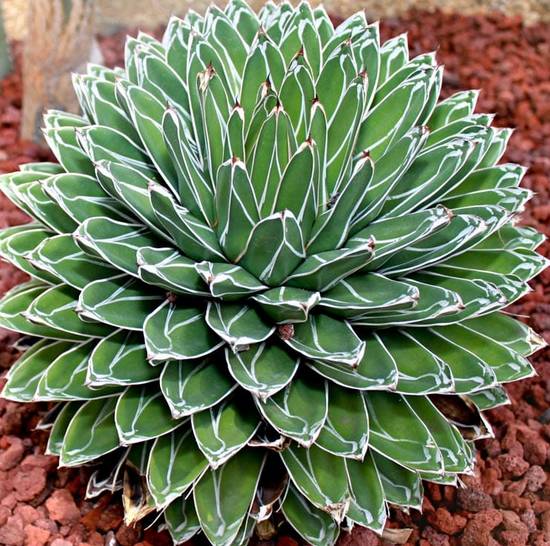
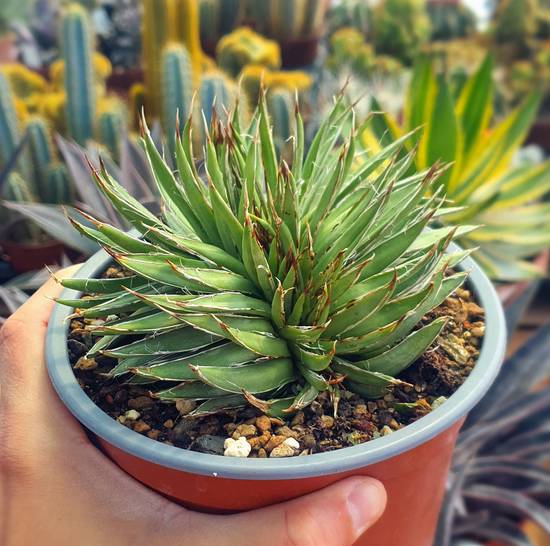
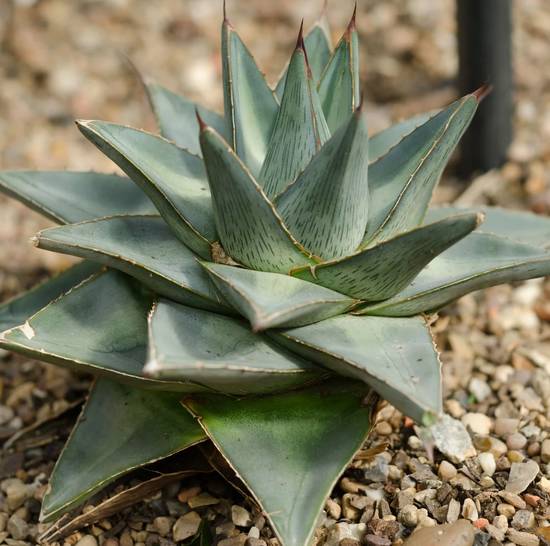
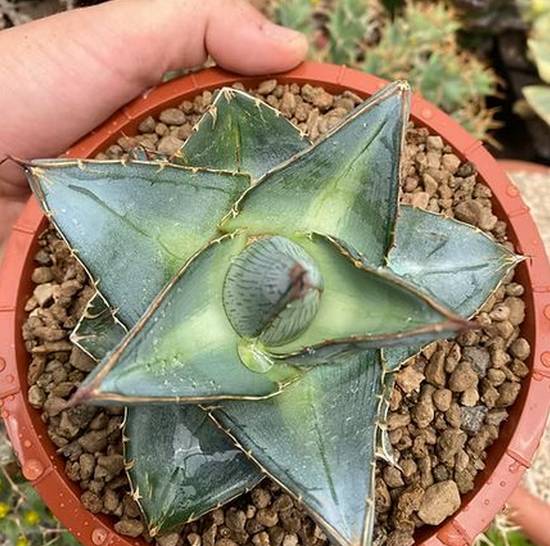
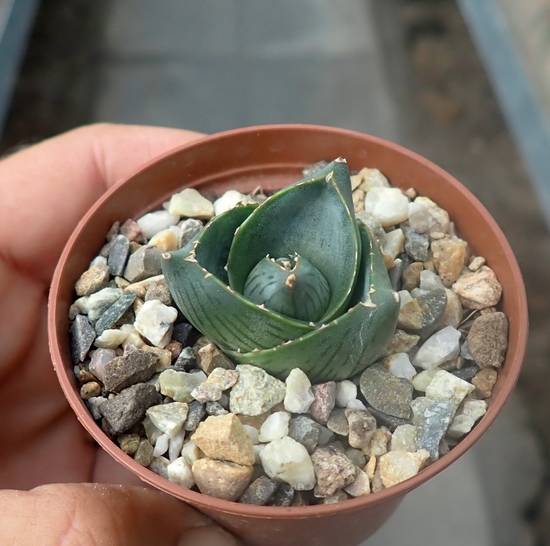
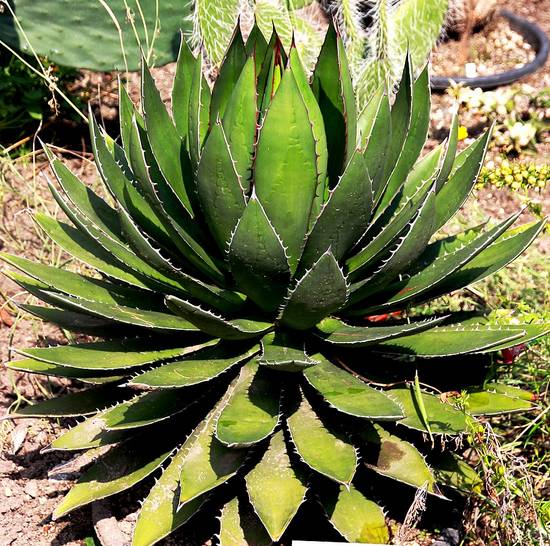
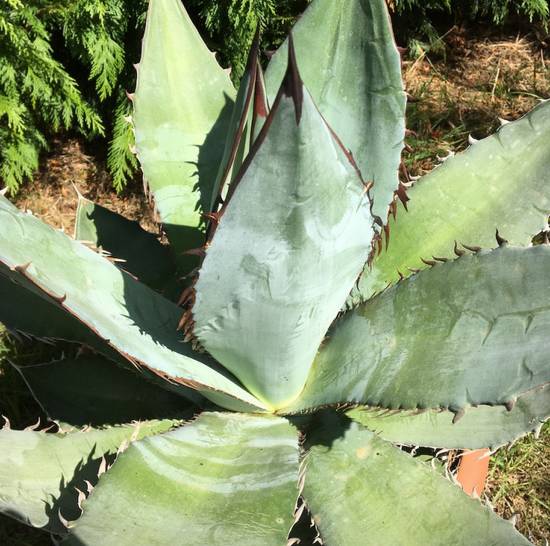
The Agave Pumila is a fascinating, discreet and compact species, appealing with its minimalist appearance and exemplary robustness. Unlike many often imposing agaves, this one is small in size, with a very regular low rosette habit, making it an ideal plant for pot cultivation or rock gardens. Its thick, rigid and rounded leaves are matte bluish green, often covered with a white bloom. Their almost geometric shape recalls certain species of Haworthia or Aloe, although the agave structure remains clearly recognizable to the trained eye.

What makes Agave Pumila particularly interesting is its extremely slow growth: it can take several years to form a mature rosette 10 to 15 cm in diameter. This patience makes it a precious plant for mini-agave enthusiasts, rare plant collectors and lovers of contemplative gardening. It perfectly withstands drought, requires no complex care, and its sculptural appearance makes it an excellent choice for understated and elegant decoration.

The Agave Pumila naturally grows in the semi-arid regions of northern Mexico, particularly in rocky, steep and sun-exposed areas. This plant evolved under extreme conditions, with rare rainfall, high temperatures and poor soils. Its adaptation to drought and heat results in slow growth, the ability to store water in its thick leaves, and great tolerance to climatic fluctuations. Its powdery coating limits water loss through evaporation.
Agave Pumila is a full-sun plant that needs maximum light to maintain its compact shape:

🌞 Ideal exposure : outdoors, place it in full sun; indoors, choose a very bright location near a south-facing window.

🌤️ In case of intense heat : the plant tolerates high temperatures well, but some shade during the hottest hours can prevent sunburn on young specimens.

💡 Lack of light causes unbalanced growth, loss of the white bloom, and leaf elongation.
Agave Pumila is a xerophytic species that prefers well-managed dryness:

🌱 Spring / summer : water once every 2 to 3 weeks, allowing the substrate to dry completely between waterings.

🍂 Autumn / winter : limit watering to once a month, or less if the plant is dormant or in a cool location.

⚠️ Excess water is its main enemy. It quickly causes root and crown rot, often fatal.
Agave Pumila tolerates high heat very well and withstands dry cold relatively well:

🌡️ Optimal temperature : between 20°C and 30°C.

❄️ Minimum temperature : down to –4°C in perfectly dry soil. For safety, bring the plant indoors if temperatures drop below 5°C.

🏠 In winter, place it in a bright and dry location, ideally in a cold greenhouse or behind a window.
Agave Pumila requires a perfectly draining substrate to avoid any excess moisture:

🪨 Use a special cactus substrate to which you add 50% pozzolana or perlite. This light mixture allows good air renewal around the roots.
Like all Agaves, the flowering of Agave Pumila is monocarpic:

🌸 Period : after several decades of cultivation, sometimes more than 20 years.

🎨 Flowers : flower stalks over one meter tall bearing tubular green-yellow flowers.

🕑 After flowering : the main rosette dies, but may produce offsets or bulbils at the end of its cycle.
FAQ - Agave Pumila

What is the best exposure for Agave Pumila?
It thrives in full sun. Intense light is essential to maintain its compact rosette and beautiful white bloom. Indoors, place it near a very bright south-facing window.
How often should Agave Pumila be watered?
It is very drought-tolerant. In spring and summer, water every 2 to 3 weeks. In autumn and winter, once a month—or none if kept cool—is sufficient.
Is frost dangerous for Agave Pumila?
Yes. Although it tolerates brief frosts down to –4°C in dry soil, it is strongly recommended to bring it indoors below 5°C. Cold and moisture can cause root rot.
What substrate is ideal for Agave Pumila?
A succulent substrate enriched with pumice or perlite is essential for perfect drainage and to prevent water stagnation around its delicate roots.
Does Agave Pumila bloom?
Yes, but it is rare. It may take decades before producing a flower stalk. Like all agaves, it is monocarpic: the main rosette dies after flowering but may produce bulbils.
What are the signs of overwatering in Agave Pumila?
Softened leaves, a blackening base, or halted growth are warning signs. If the crown becomes mushy or roots rot, stop watering immediately and consider repotting in dry substrate.
Can Agave Pumila be grown indoors?
Absolutely! It is one of the agaves best suited for pot cultivation. Provide maximum light. It fits perfectly in bright indoor spaces near a south-facing window.
Does Agave Pumila produce offsets?
It is generally solitary. However, it may produce offsets after flowering or bulbils on its flower stalk, which can be propagated.
How should Agave Pumila be repotted without damage?
Wear gloves to avoid its sharp tips. Choose a slightly larger pot with drainage holes and use dry, light substrate. Do not bury the crown too deeply to prevent disease.
What type of fertilizer is suitable for Agave Pumila?
A low-nitrogen cactus fertilizer is ideal. Apply once a month during the growing season to support growth without forcing it.