Echinocactus Texensis

Echinocactus Texensis

Echinocactus Texensis

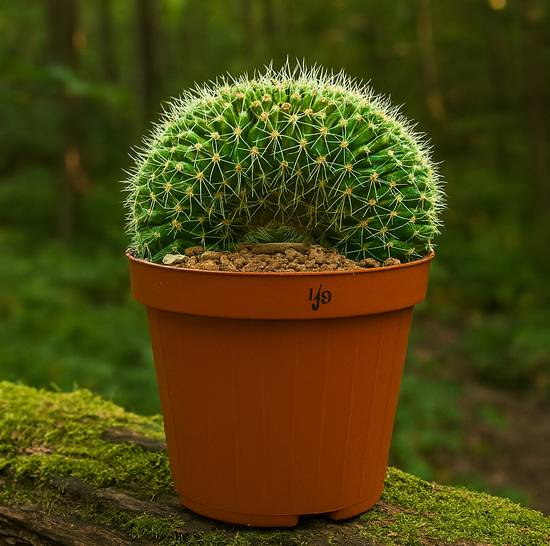
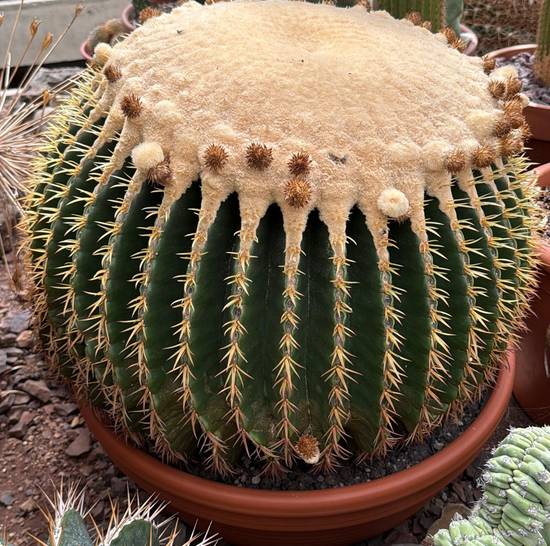
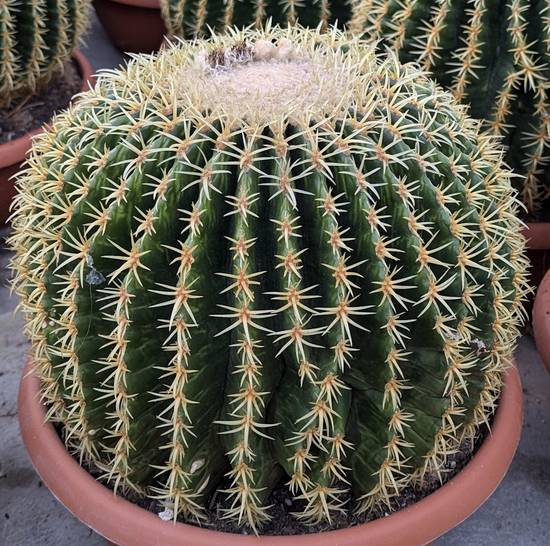
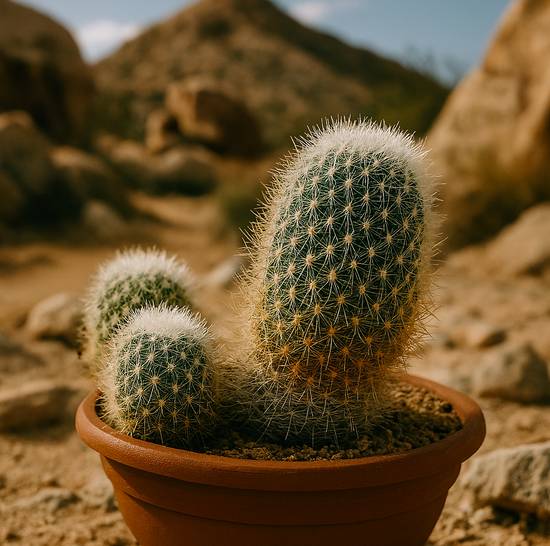
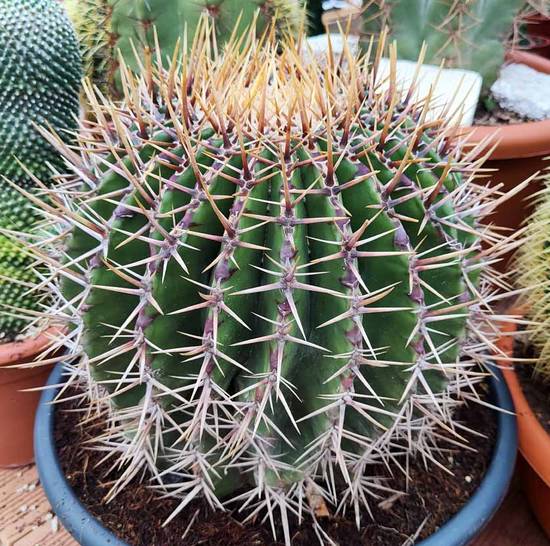
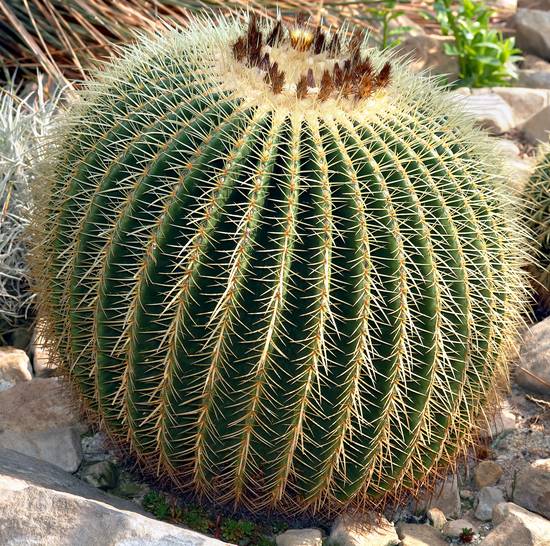
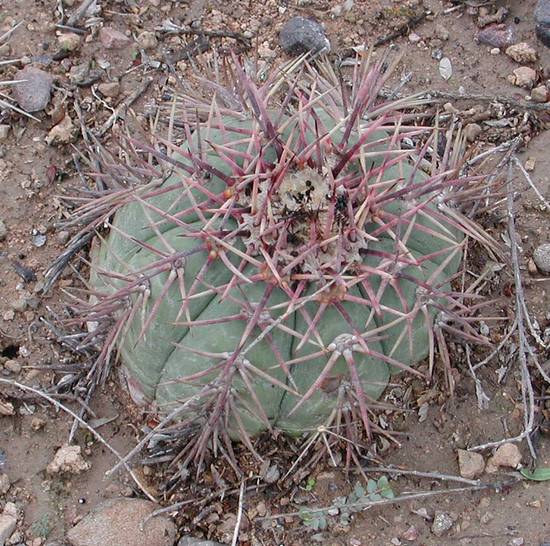
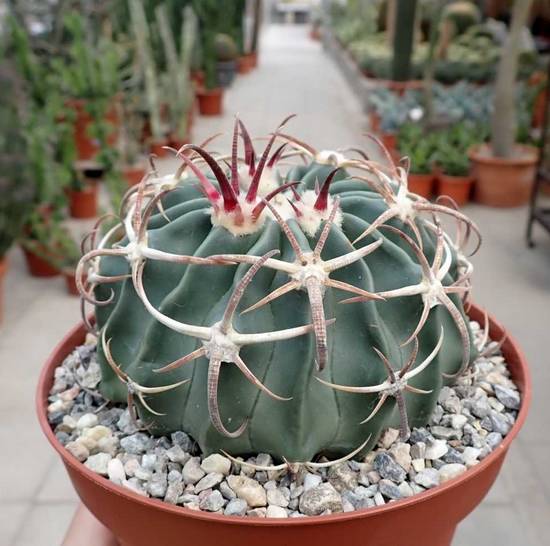
The Echinocactus Texensis, also known as the “Texas barrel cactus” or “Horse crippler”, is a fascinating species of the Cactaceae family, native to the southern United States—especially Texas—and northern Mexico. Its squat, flattened shape, thick epidermis, and powerful spines make it a true botanical fortress.

Its body is generally hemispherical, rarely fully globular, reaching up to 30 cm in diameter at maturity but usually no more than 15 cm tall. It features between 13 and 25 well-defined ribs, lined with woolly areoles bearing strong spines, straight to curved, ranging from grayish to reddish-brown.

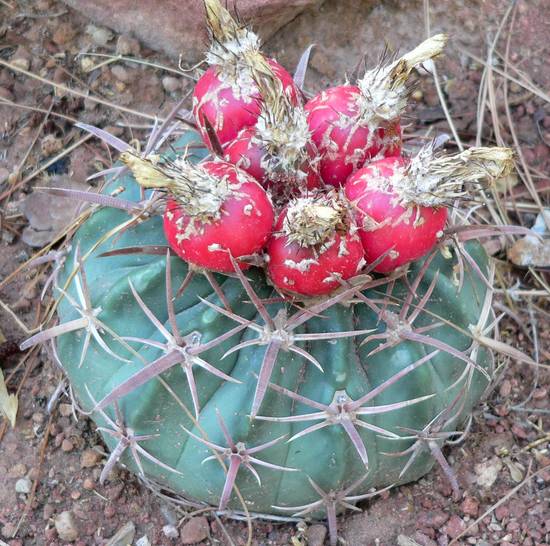
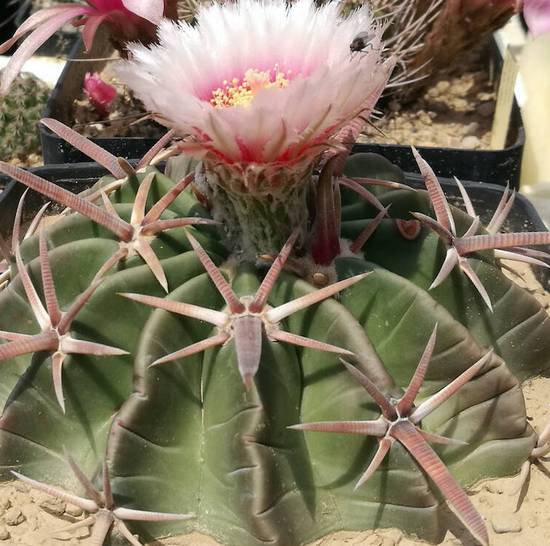
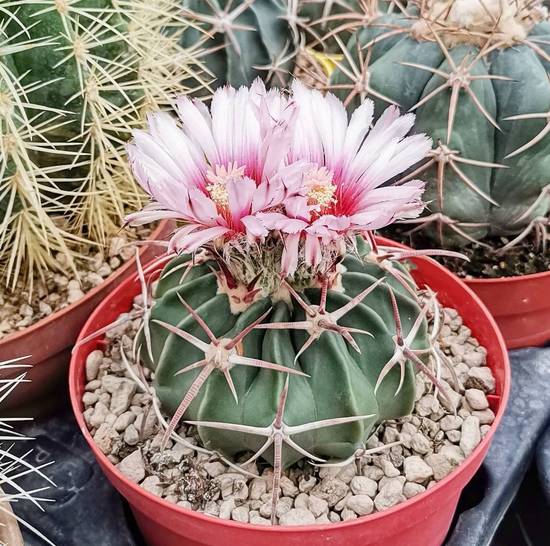
The Echinocactus Texensis is famous for its spectacular flowering: magnificent funnel-shaped flowers appear at the crown, usually in spring or early summer. They display shades from bright pink to magenta, sometimes lightly striped. Flowering is followed by small dry fruits, sometimes red, containing numerous seeds.

The Echinocactus Texensis originates from arid regions of the southern United States (especially Texas) and northern Mexico, where it naturally grows in semi-desert plains, rocky hills, and limestone outcrops.

In its natural habitat, it benefits from a long winter dormancy followed by intense summer storms that trigger flowering. These extreme conditions have shaped its legendary toughness, making it one of the most resilient cacti.
The Echinocactus Texensis thrives in intense sunlight:

🌞 Full sun : 6 to 8 hours of direct sunlight per day. Outdoors, it should be placed in an unshaded location.

🏡 Indoors : Place it behind a south-facing window or under a grow light if natural light is insufficient.

⚠️ Acclimation : After winter dormancy, gradually reintroduce it to full sun to avoid sunburn.
Watering this cactus requires discipline but remains easy with a few basic rules:

🌱 Spring / Summer : Water every 2 to 4 weeks depending on heat, only once the substrate is completely dry.

🍂 Autumn / Winter : Stop watering entirely once temperatures drop below 10°C.

💡 Tip : Water thoroughly in summer, then allow the soil to dry completely. Avoid any standing water in the saucer.
The Echinocactus Texensis tolerates strong temperature variations:

🔥 Ideal : 20°C to 35°C during the growing season.

❄️ Cold resistance : Tolerates brief frost down to -5°C if kept dry. However, winter protection is recommended.

🏠 Indoor wintering : In winter, keep it in a cool, bright room (unheated veranda or windowsill).
The Echinocactus Texensis requires a very well-draining soil to prevent rapid root rot:

🪨 Ideal mix : 50% cactus soil, 25% coarse sand or perlite, and 25% mineral drainage material.
The Echinocactus Texensis produces a striking floral display:

🗓️ Season : Late spring to early summer

🎨 Color : Bright pink to magenta

Duration : 2 to 4 days

🌺 Feature : Flowers emerge at the apex, forming a crown around the top.
FAQ - Echinocactus Texensis

What is the best exposure for Echinocactus Texensis indoors?
Even indoors, this cactus needs direct sunlight. Ideally place it behind a south-facing window. Lack of light slows its growth and dulls its color. You can compensate with a grow light if necessary.
Does Echinocactus Texensis tolerate ambient humidity?
No, it is a desert cactus that dislikes humid environments. Prolonged humidity can cause rot. Use a very well-draining substrate such as Algoflash special cactus potting soil and avoid frequent watering.
How can flowering of Echinocactus Texensis be encouraged?
It needs plenty of sun, a strict winter rest, and moderate water stress. Light fertilization in spring with a gentle cactus fertilizer can stimulate flowering. Blooming is rare before several years.
Is Echinocactus Texensis toxic to animals?
This cactus is not toxic, but its long, rigid spines can be dangerous for pets. Place it high or in a less accessible spot if you have a curious cat or dog.
What type of drainage should be provided for a potted Echinocactus Texensis?
Effective drainage is vital. Add a layer of clay pebbles or drainage granules at the bottom of the pot and choose a mix of potting soil and porous materials such as pozzolana or perlite.
What is the growth rate of Echinocactus Texensis? Is it fast?
Its growth is slow but steady. It takes several years to reach its adult size. This makes it ideal for pot cultivation without requiring frequent repotting.
Can Echinocactus Texensis be planted in the ground?
Yes, if you live in a hot and dry region. The soil must be very well-draining, slightly calcareous, and in full sun. Mineral mulch such as Or Brun pozzolana helps retain heat and limits moisture around the collar.
When should Echinocactus Texensis be repotted?
Every 3 to 4 years, in spring. Choose a slightly wider pot with fresh substrate. Take the opportunity to inspect the roots and add a special cactus fertilizer in granules to restart growth.
Is Echinocactus Texensis suitable for beginners?
Yes, absolutely! It is robust, undemanding, tolerates missed waterings, and withstands common mistakes. Just provide good drainage and plenty of sun. It is an excellent choice for beginners.
What is the ideal climate for growing Echinocactus Texensis?
Hot, dry, and sunny. It fears humid winters and temperatures below -5°C. In temperate climates, grow it in a pot so it can be overwintered indoors. A substrate such as Fertiligène special cactus optimizes its cultivation.