Echeveria Madiba
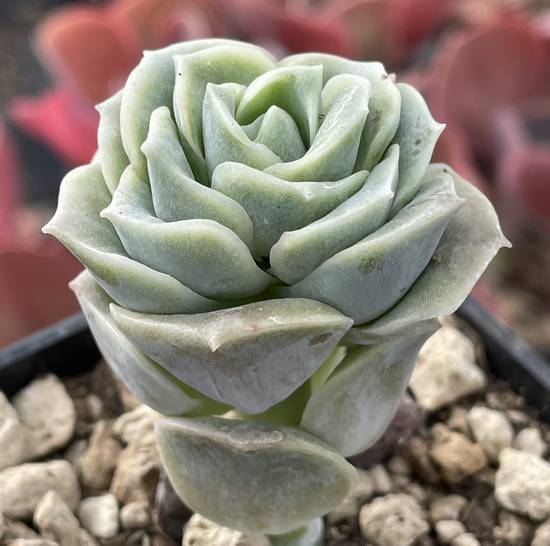
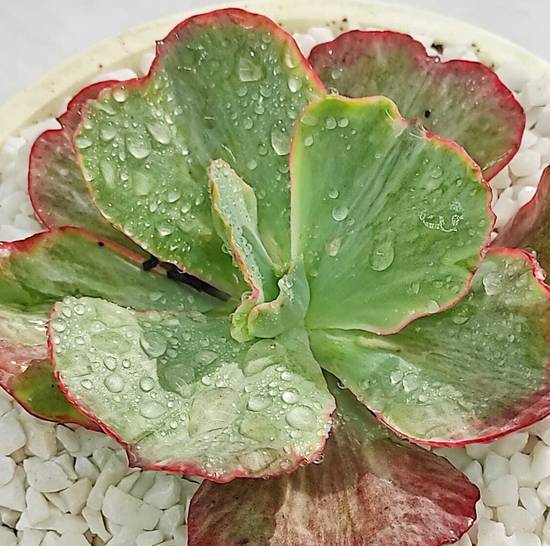
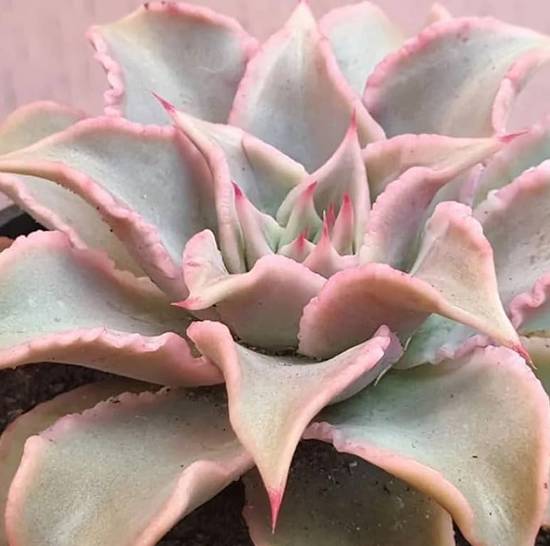
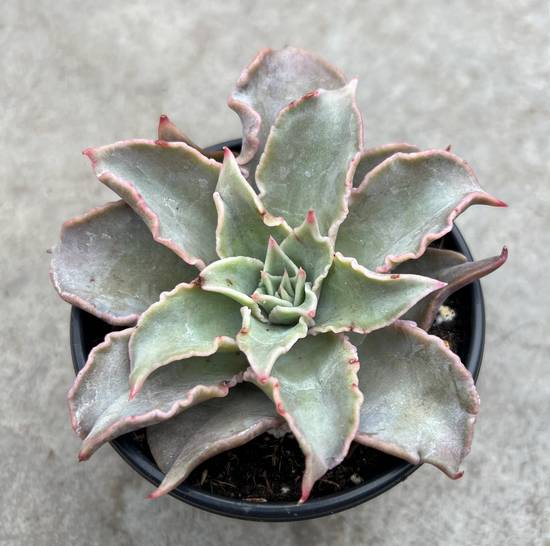
One glance at Echeveria Madiba is enough to understand why it fascinates succulent lovers. With its strongly undulated, almost frilled leaf edges, it evokes a plant dress frozen mid-dance. This rare hybrid captivates with its original form and rough, almost crested texture.
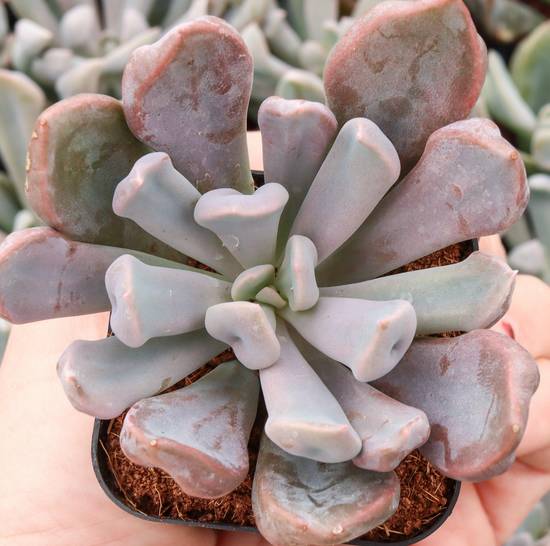
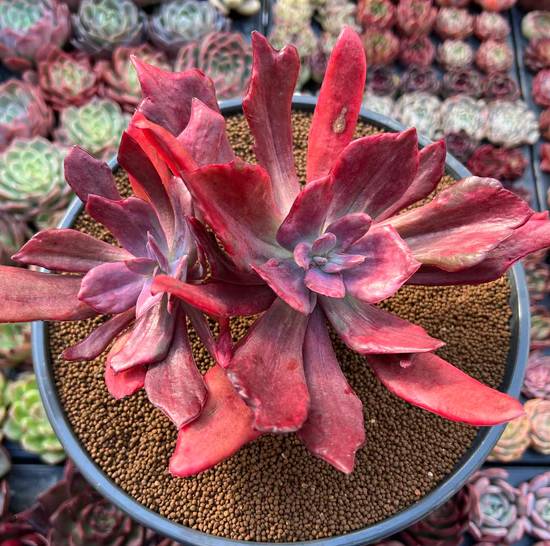
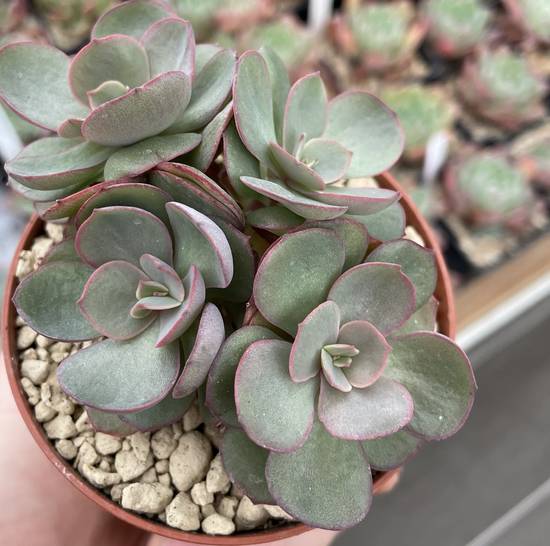
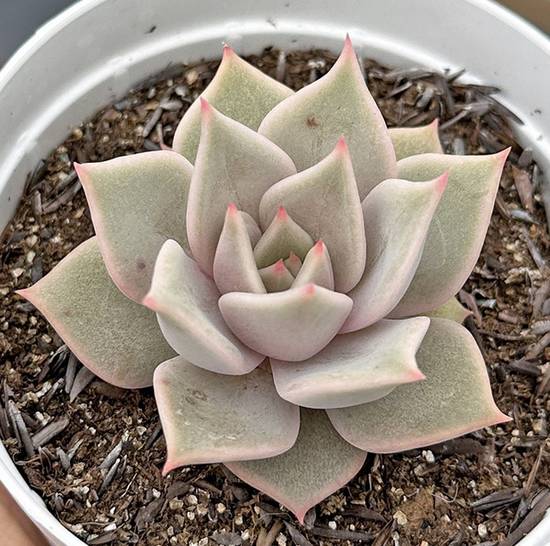
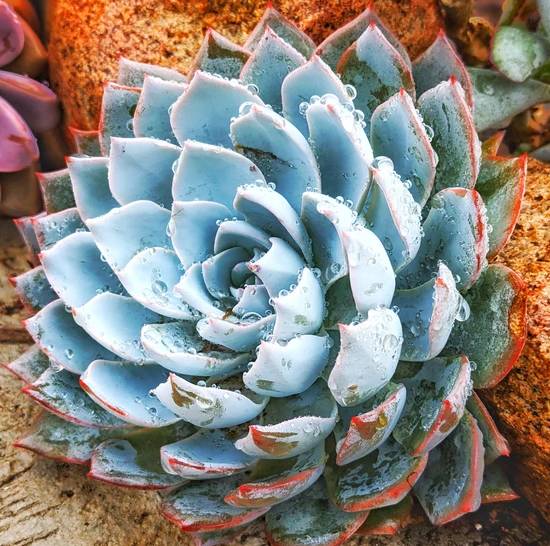
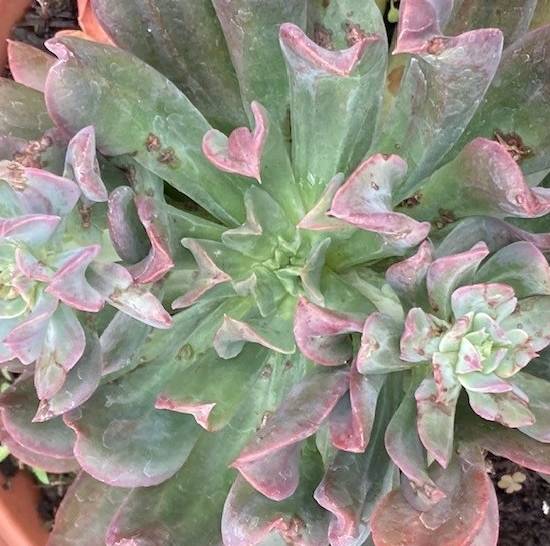
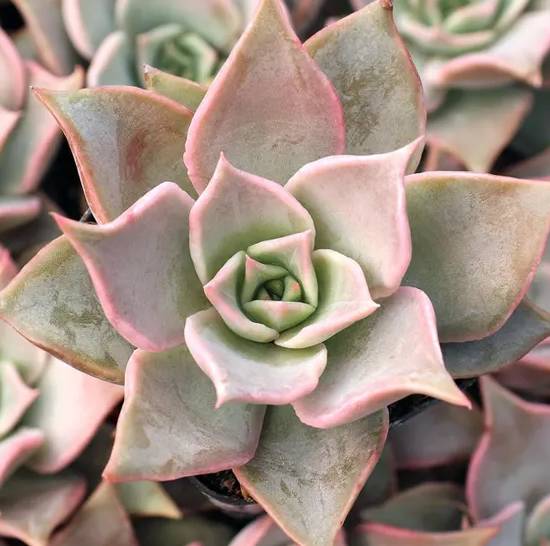
The leaves of Echeveria Madiba form a dense, compact rosette tinted with gray-green, deep violet, or pink depending on light and temperature. The spectacular waviness of its foliage immediately distinguishes it from other Echeverias, making it a prized choice for collectors seeking unique specimens.
Beyond its striking beauty, Echeveria Madiba is also a robust plant that adapts easily to pot cultivation in our climates, provided a few essential rules are followed.
Echeveria Madiba is a modern horticultural hybrid, probably developed in Asia or the United States. It does not occur in the wild but descends from Mexican species such as Echeveria Gibbiflora, known for their large rosettes and vigor.
The undulation of Echeveria Madiba becomes more pronounced with good light.
☀️ Outdoors: Morning full sun or bright light throughout the day.
🏠 Indoors: Place near a very bright window.
⚠️ Warning: Too much shade reduces compactness and frilled edges.
☀️ Outdoors: Morning full sun or bright light throughout the day.
🏠 Indoors: Place near a very bright window.
⚠️ Warning: Too much shade reduces compactness and frilled edges.
As with all succulents, it is better to underwater than overwater.
🌱 Spring / Summer: Water every two weeks only if soil is dry in depth.
🍂 Autumn / Winter: Once per month or suspend if cold.
🚫 Avoid: Water stagnation in the rosette.
🌱 Spring / Summer: Water every two weeks only if soil is dry in depth.
🍂 Autumn / Winter: Once per month or suspend if cold.
🚫 Avoid: Water stagnation in the rosette.
Robust but sensitive to cold, Echeveria Madiba needs warmth and light.
🌡️ Ideal: 20–28 °C during growth
❄️ Minimum tolerated: 5 °C if soil remains dry
🏠 Winter advice: Bring indoors below 8 °C.
🌡️ Ideal: 20–28 °C during growth
❄️ Minimum tolerated: 5 °C if soil remains dry
🏠 Winter advice: Bring indoors below 8 °C.
🪨 Recommended mix: 50% cactus soil + 25% perlite + 25% pumice for optimal drainage.
Although not its main attraction, its bloom deserves attention.
📅 Period: Spring to early summer
🌺 Flowers: Small orange bells on long stalks
🐝 Pollination: Attracts insects outdoors.
📅 Period: Spring to early summer
🌺 Flowers: Small orange bells on long stalks
🐝 Pollination: Attracts insects outdoors.
FAQ - Echeveria Madiba
Can Echeveria Madiba live indoors?
Yes, if placed in a very bright location such as near a large window.
What substrate should be used for Echeveria Madiba?
A very well-draining mix with succulent soil, perlite, and pumice.
How should Echeveria Madiba be watered?
Water sparingly when the soil is dry. Never pour water into the rosette.
When does Echeveria Madiba bloom?
From spring to summer, with small discreet flowers.
Why is my Echeveria Madiba becoming soft?
Probably due to overwatering or root issues. Let the soil dry completely.
Does Echeveria Madiba tolerate frost?
No, it must be protected when temperatures drop below 5 °C.
Can Echeveria Madiba be propagated?
Yes, by leaf, offset, or stem cuttings, although its unique form can be harder to reproduce.
What fertilizer should be used for Echeveria Madiba?
A monthly application of liquid succulent fertilizer during the warm season is sufficient.
How can I obtain a well-colored Echeveria Madiba?
Provide plenty of direct light and slight water stress.
Can Echeveria Madiba be placed in a terrarium?
Not recommended due to the often excessive humidity for this species.