Echeveria Pollux

Echeveria Pollux
Echeveria Pollux
Echeveria Pollux

Echeveria Pollux

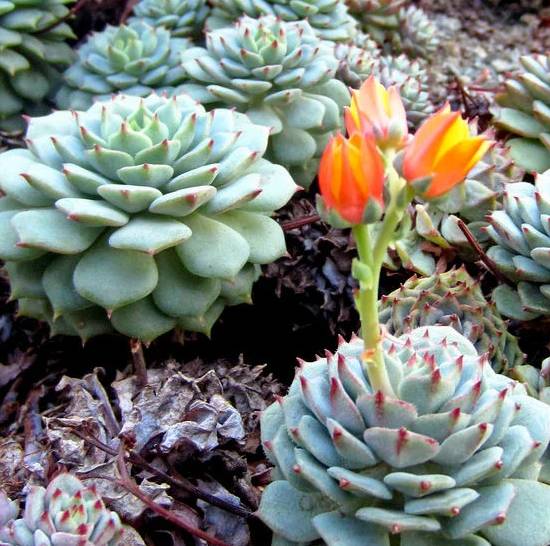
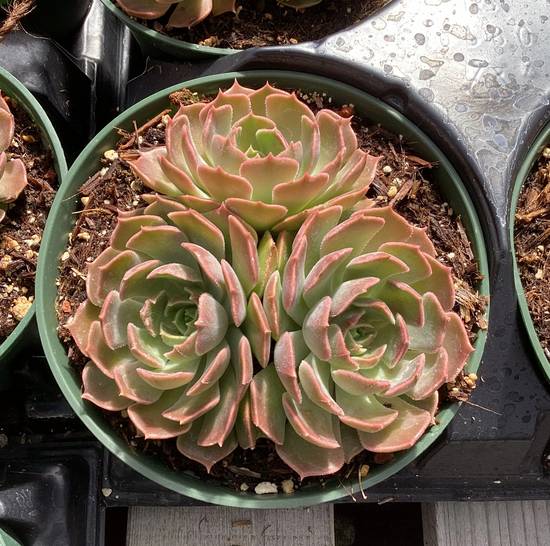
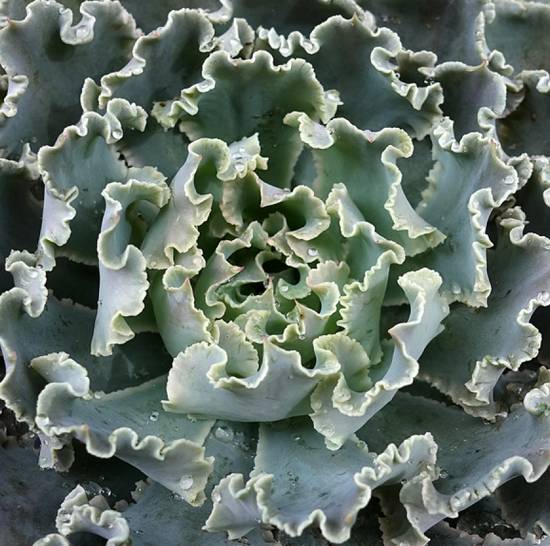
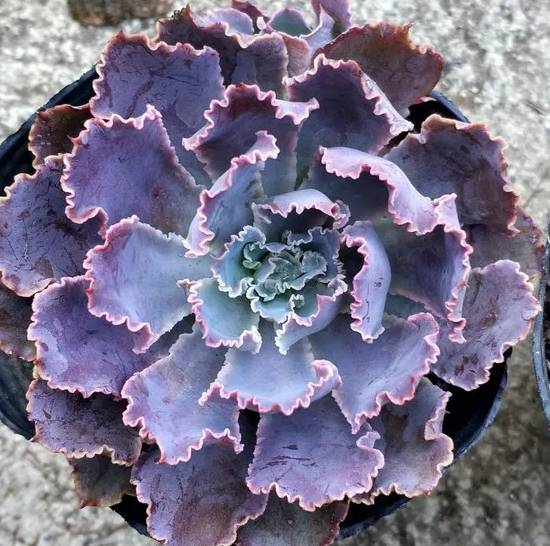
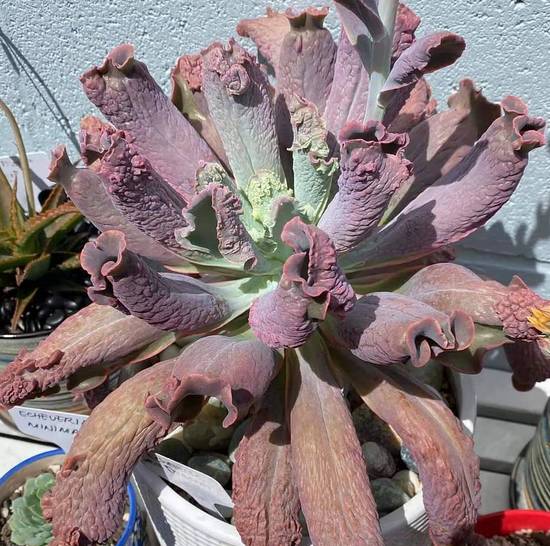
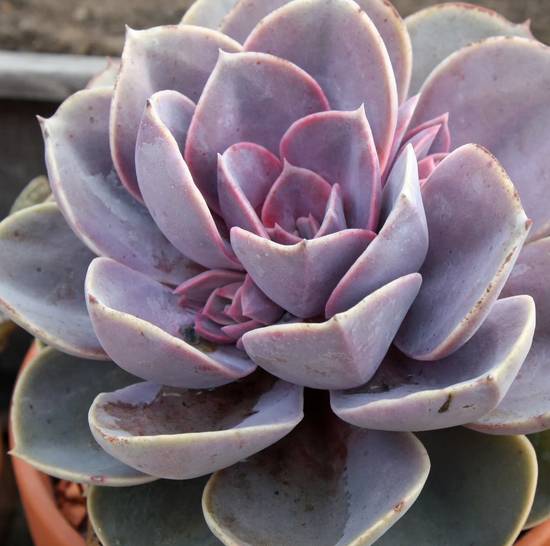
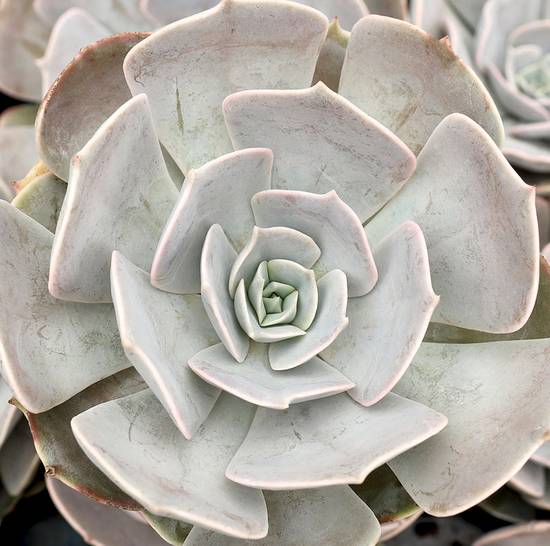
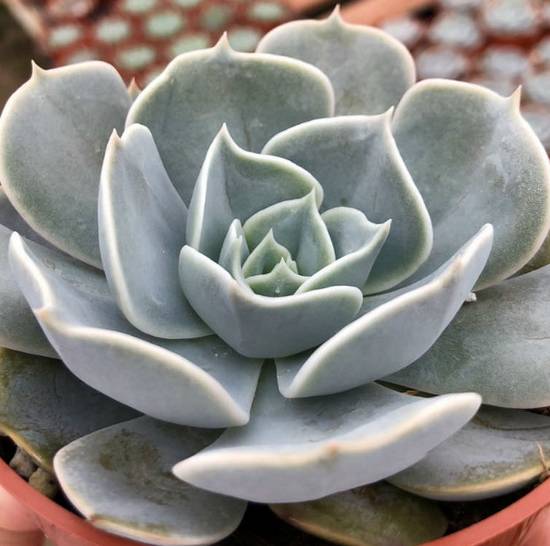
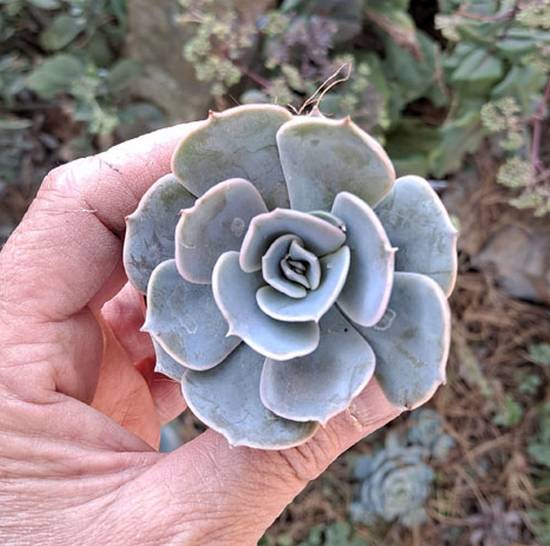
If you are looking for a succulent with a soft, almost silvery aesthetic, Echeveria Pollux is an excellent choice. This beautiful cultivar forms a large rosette with metallic reflections ranging from blue-gray to pale violet, sometimes dusted with a delicate white bloom. Its elegant foliage and tolerance to varied conditions make it highly valued both indoors and outdoors.

What truly distinguishes Echeveria Pollux is the size and symmetry of its rosette. In optimal conditions, it can reach over 20 cm in diameter, making it perfect as a centerpiece in arrangements or as a standalone potted specimen. Each leaf is thick, slightly curved, and covered with a fine bloom that enhances its velvety appearance.

With moderate growth and resilience to cultivation mistakes, Echeveria Pollux is a reliable choice for all succulent enthusiasts — from beginners to passionate collectors.

Echeveria Pollux is a horticultural hybrid whose parents likely include Echeveria Elegans and other Mexican varieties. It does not occur in the wild but retains the resilience of its desert ancestors.
Light is the best ally of Echeveria Pollux. It intensifies its colors and keeps it compact.

☀️ Outdoors: Full sun or very bright partial shade. Morning sun is ideal.

🏠 Indoors: Near a well-exposed south- or west-facing window.

⚠️ Warning: Low light causes stretching and loss of symmetry.
Like many succulents, Echeveria Pollux prefers thoroughly dry soil before watering again.

🌱 Growing season: Every 10–15 days depending on heat, allowing soil to dry completely.

🍂 Dormant season: Very sparse watering or none if kept cool.

💦 Tip: Water the soil, never the rosette.
Rather sensitive to cold, Echeveria Pollux dislikes frost but enjoys dry heat.

🌡️ Ideal: 18–26 °C

❄️ Minimum tolerated: 5 °C if soil is perfectly dry.

🏠 Advice: Bring indoors below 8 °C.
🪨 Recommended mix: 50% cactus soil + 25% perlite + 25% pumice for optimal drainage.
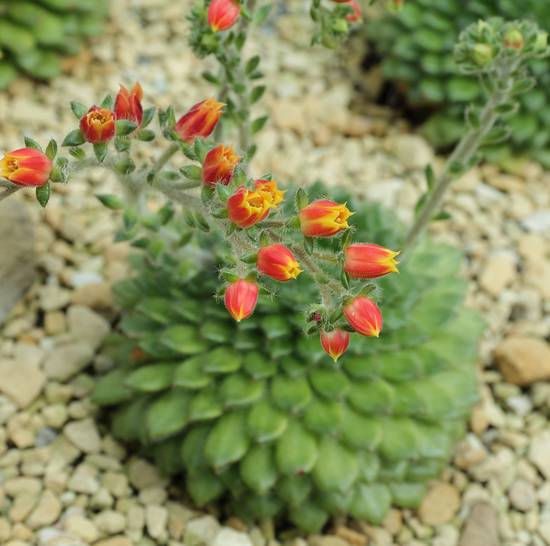
Although not its main feature, Echeveria Pollux may bloom after several years.

📅 Period: Spring to summer

🌺 Flowers: Small pink or coral bells on an arching stalk

🐝 Tip: Outdoors, they may attract pollinators.
FAQ - Echeveria Pollux

Can Echeveria Pollux be grown indoors?
Yes, provided it is placed in a very bright location.
What is the best substrate for Echeveria Pollux?
A mix of cactus soil, perlite, and pumice is ideal.
How often should Echeveria Pollux be watered?
Every 2 weeks in summer, and much less in winter.
Does Echeveria Pollux tolerate cold temperatures?
Not frost. It must be brought indoors when temperatures drop below 8 °C.
Can Echeveria Pollux be propagated?
Yes, very easily by leaf or basal offset cuttings.
How can I make Echeveria Pollux bloom again?
Provide good sunlight, a winter rest period, and moderate watering.
Why are the leaves of my Echeveria Pollux falling off?
It may be due to overwatering or lack of light.
What fertilizer should be used for Echeveria Pollux?
A liquid cactus fertilizer once per month in spring and summer.
Can Echeveria Pollux be grown in a terrarium?
No, unless the terrarium is very well ventilated. Otherwise, the risk of rot is high.
How large can Echeveria Pollux grow?
About 20 to 25 cm in diameter at maturity, depending on conditions.