Echeveria Gibbiflora

Echeveria Gibbiflora

Echeveria Gibbiflora

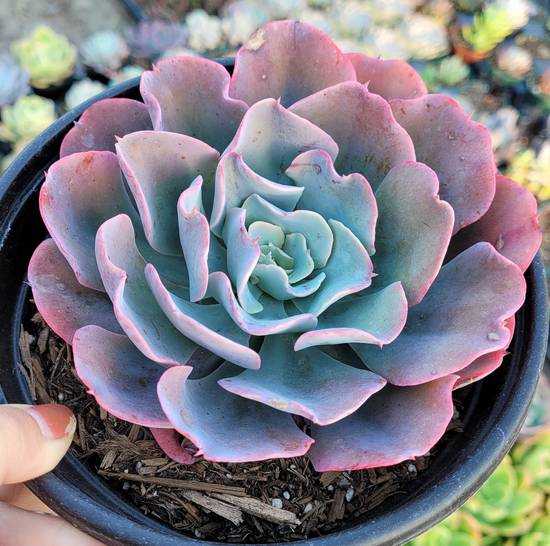
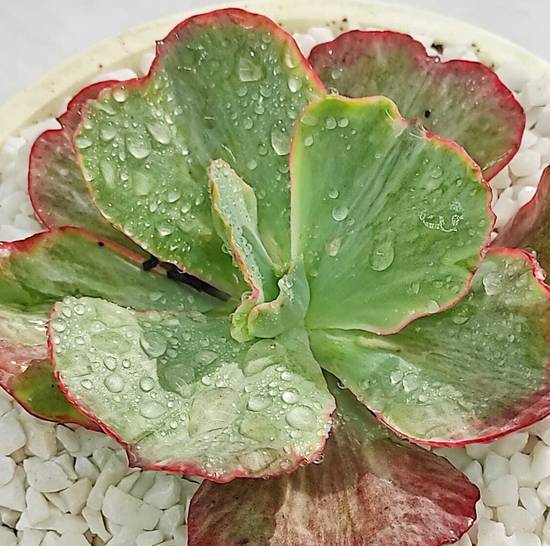
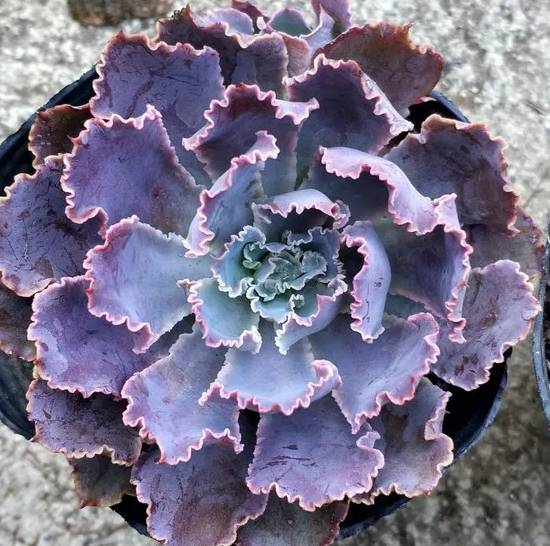
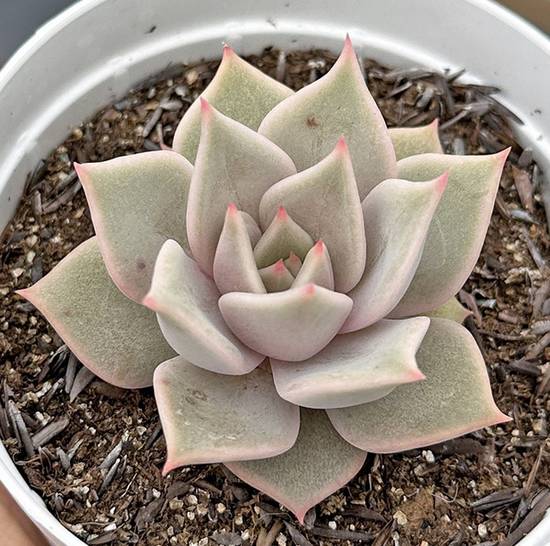
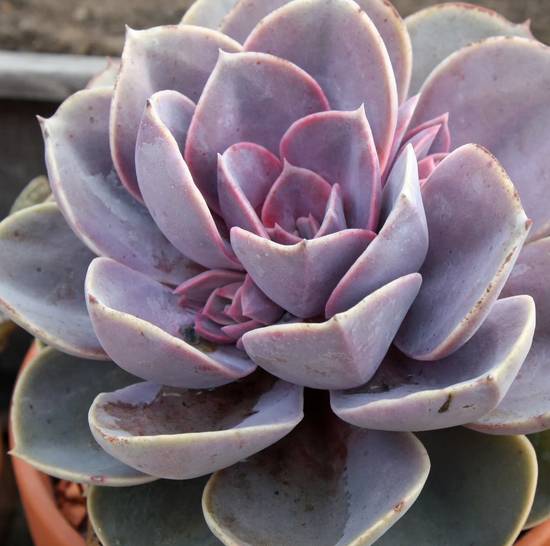
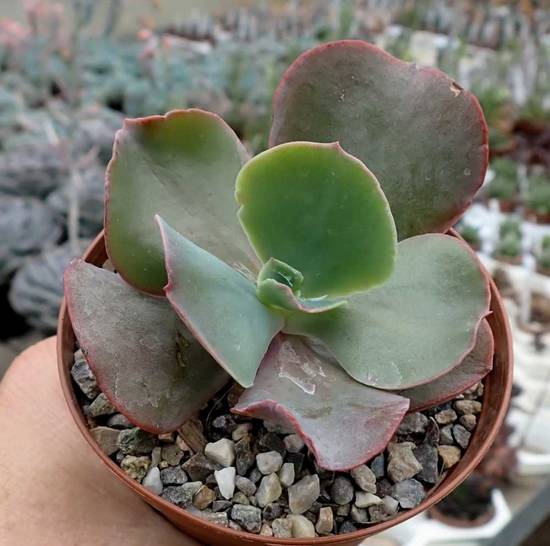
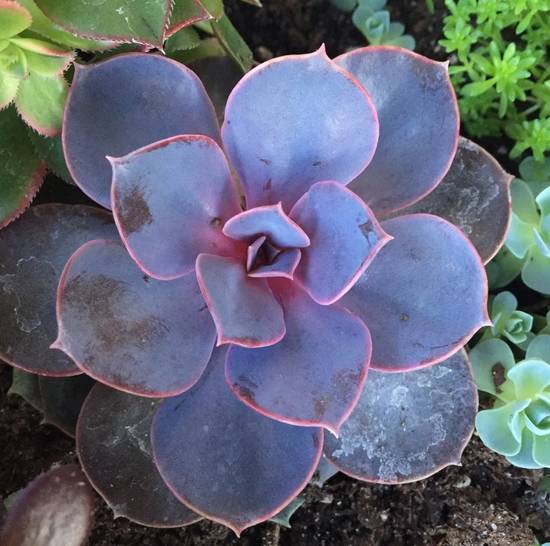
Majestic and iconic, Echeveria Gibbiflora is one of the most emblematic representatives of the Echeveria genus. With its impressive rosettes reaching over 40 cm in diameter, it draws attention with its sculptural form, captivating hues, and natural elegance.

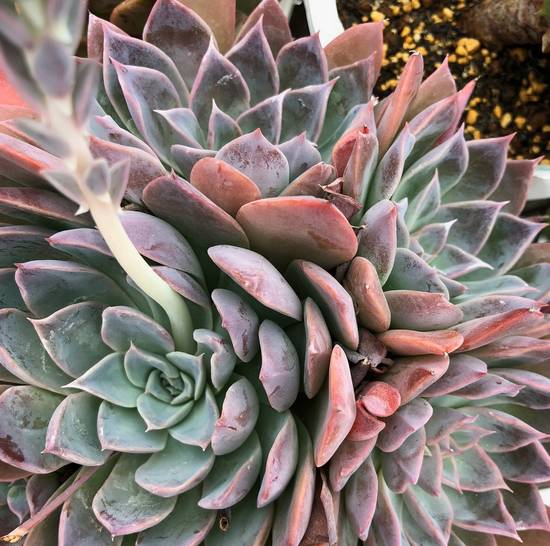
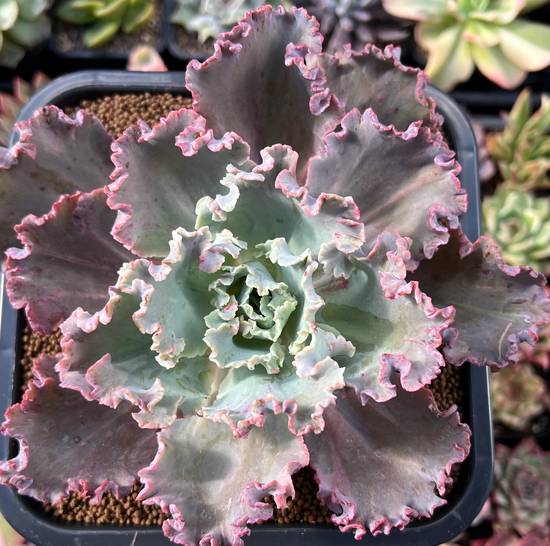
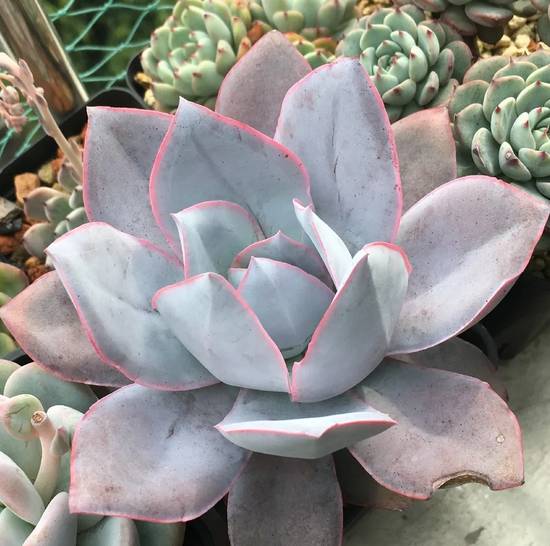
Its large spatulate leaves range from pale green to pinkish red, sometimes edged with purple depending on exposure. Their slightly wavy, fleshy texture gives it a silhouette that is both soft and dynamic. This species is the origin of many famous hybrids due to its highly valued ornamental qualities.

Echeveria Gibbiflora is an excellent choice for those seeking a plant with strong character while remaining easy to maintain. It adds an artistic touch to dry gardens, rockeries, terraces, or bright interiors.

This magnificent Echeveria is native to semi-arid regions of Mexico and Guatemala. In its natural habitat, it grows on rocky slopes, often on mountainsides, exposed to intense sunlight and significant temperature fluctuations. It has developed natural drought resistance and thrives in poor but well-drained soils.
Light is key to revealing the full beauty of Echeveria Gibbiflora.

☀️ Outdoors: Prefers sunny or partially shaded exposure in very hot regions. Full sun enhances reddish tones.

🌤️ Indoors: Place near a south- or west-facing window. Insufficient light causes stretching.

🔄 Tip: Rotate regularly for balanced growth.
Moderate but thoughtful watering suits Echeveria Gibbiflora.

🌱 Spring / Summer: Water generously when soil is completely dry (about every 10–15 days).

🍂 Autumn / Winter: Reduce watering. Below 10 °C, water once per month or stop entirely.

⚠️ Tip: Water at the base and avoid water stagnation in the rosette.
This succulent loves warmth but tolerates slight coolness if soil remains dry.

🌡️ Ideal: 18–30 °C

❄️ Minimum: Down to 4 °C occasionally, but frost must be avoided.

🏠 Potted plant: Bring indoors in winter or protect with fleece in mild regions.
🪨 Optimal mix: 50% cactus soil + 25% perlite + 25% pumice.

🌿 In-ground cultivation: Possible only in Mediterranean climates, in dry, well-exposed soil.
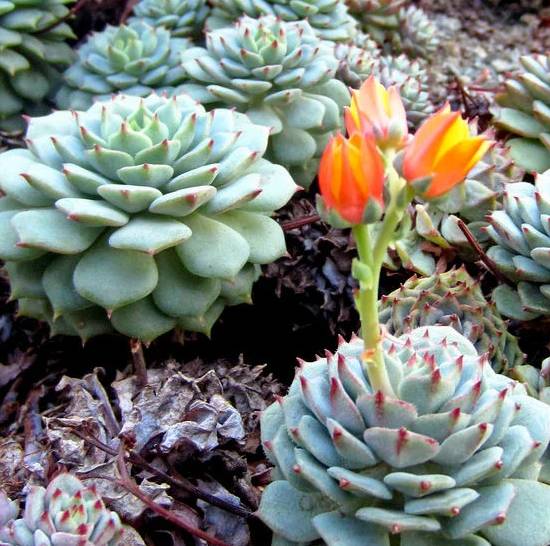
The flowering of Echeveria Gibbiflora is spectacular and lasts several weeks.

📆 Season: Summer to autumn

🌺 Flowers: Red to orange-yellow bells on stalks up to 50 cm tall

🐝 Interest: Highly attractive to pollinators (bees, butterflies).
FAQ - Echeveria Gibbiflora

Can Echeveria Gibbiflora be grown indoors?
Yes, provided it is placed in a very bright location; otherwise the rosette will stretch.
What substrate is ideal for Echeveria Gibbiflora?
A mix of cactus soil, perlite, and pumice is perfect.
Does Echeveria Gibbiflora tolerate cold?
Not really: it tolerates a few degrees above zero, but should be brought indoors in winter.
How can I encourage Echeveria Gibbiflora to bloom?
Provide good light, a winter rest period, and a mild fertilizer in spring.
Can Echeveria Gibbiflora be propagated?
Yes, by leaf or offset cuttings. Let the wound dry for several days before planting.
What is the ideal watering frequency?
In summer: every 10 to 15 days depending on heat. In winter: very little or no watering.
What fertilizer should be used for Echeveria Gibbiflora?
A succulent fertilizer once per month during the growing season.
Can it reach a large size?
Yes, in ideal conditions it can form a rosette over 40 cm in diameter.
Is it suitable for beginners?
Yes, it is easy to care for if light and drainage needs are respected.
Is Echeveria Gibbiflora toxic?
No, it is not considered toxic to pets.