Crassula Perfoliata
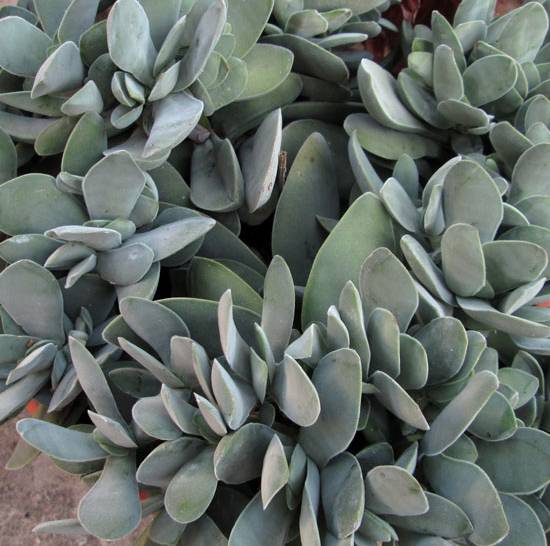
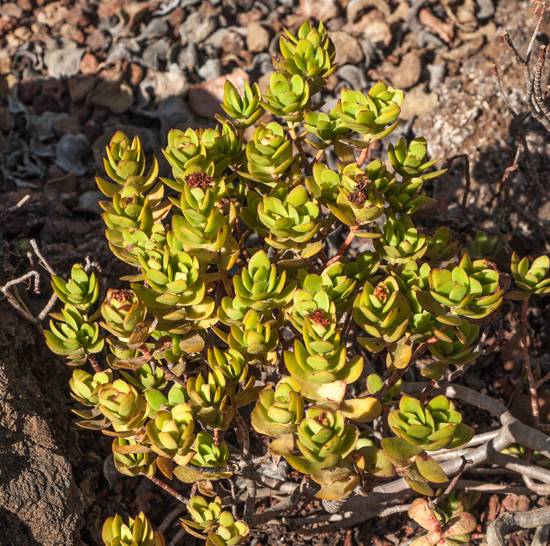
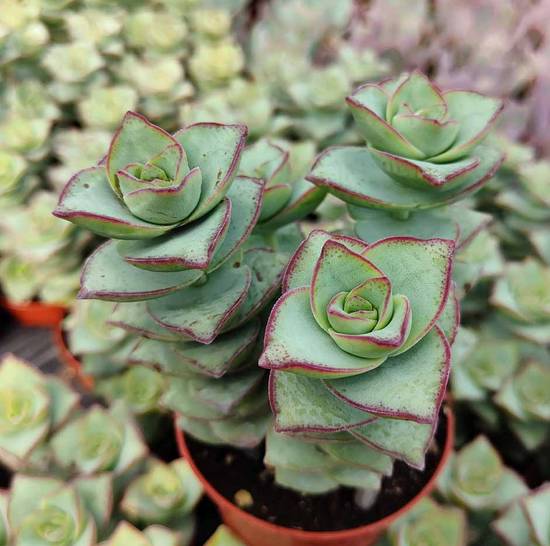
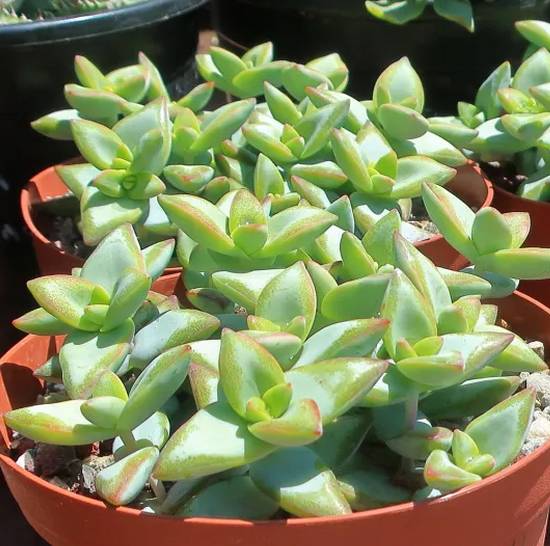
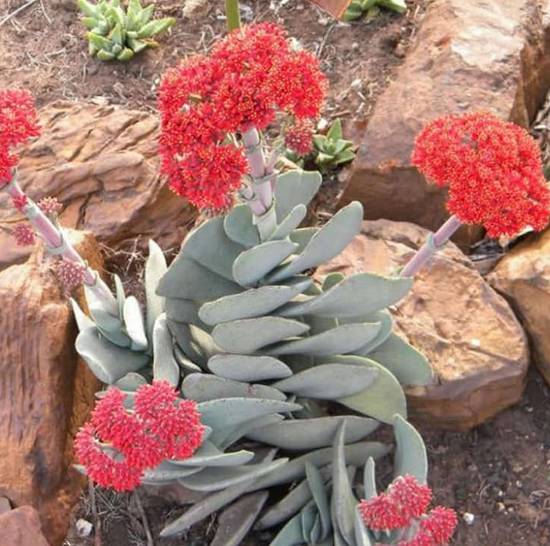
The Crassula Perfoliata is a striking succulent species that never goes unnoticed. Unlike more compact and rounded Crassulas, this variety stands out for its elongated, thick blade-shaped leaves, often arranged in opposite pairs, giving its stems a bird-wing appearance. This particular shape earned it the English nickname "Propeller Plant". With its upright and elegant habit, it brings an architectural touch to any succulent collection, especially when well exposed and properly cultivated.
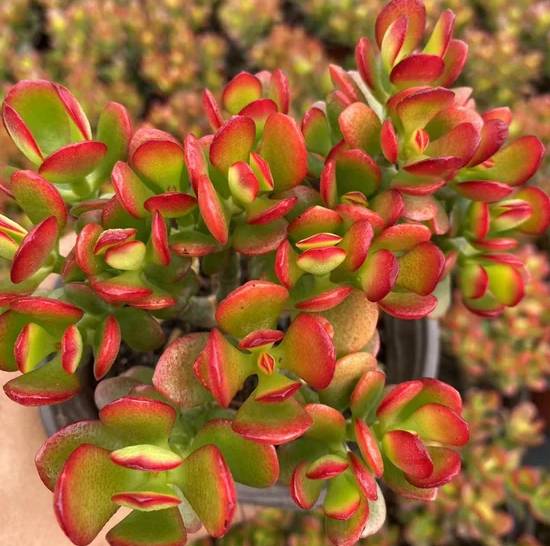
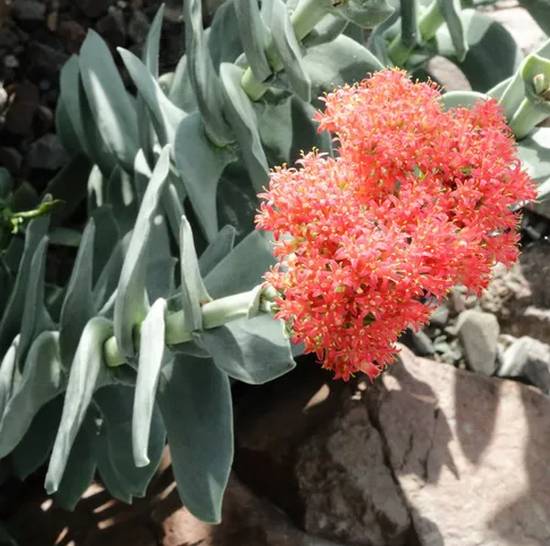
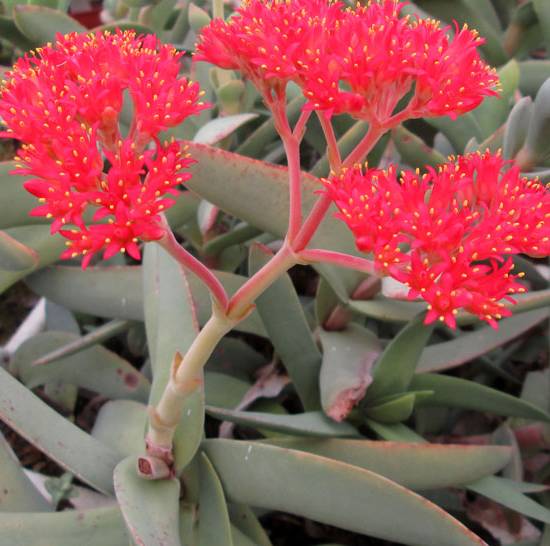
Its foliage, green to bluish-grey, can take on red or purple tones when the plant is exposed to strong light or moderate water stress. Very graphic, Crassula Perfoliata also has the advantage of flowering generously: its flowers, grouped in terminal panicles, are bright red to carmine pink, forming surprising bouquets on a succulent. These blooms can last several weeks and attract pollinating insects if grown outdoors.
🌞 Direct sun : Give it at least 5 to 6 hours of sun per day to ensure compact growth and stimulate flowering.
🌤️ Indoor cultivation : A location near a south-facing bay window is perfect. Insufficient light leads to stem elongation and loss of coloration.
🌿 Outdoors : Place it on a sunny terrace or balcony from spring to autumn. Be cautious of excessively scorching rays during heatwaves.
💧 Spring / summer : Spaced watering (every 2 to 3 weeks), waiting until the substrate is dry deep down.
❄️ Autumn / winter : Greatly reduce watering, especially if the plant is kept cool. One to two waterings per winter are more than sufficient.
⚠️ Tip : Excess water shows through softened or translucent leaves. Act quickly to prevent rot.
🌡️ Ideal : 20 to 30 °C during the growing period.
❄️ Cold resistance : Down to 5 °C if the substrate is perfectly dry, but it prefers milder conditions. Never expose it to frost.
🏠 Indoors : It winters very well in a bright room, even cool (between 10 and 15 °C).
🪨 Recommended mix : 50% of a substrate for succulents + 25% perlite + 25% pozzolana or gravel.
This mix limits stagnant moisture and promotes the development of a healthy root system, even in a deep pot.
🌺 Season : Generally in mid or late summer, on well-established plants.
🎨 Appearance : Red or pink inflorescences in dense cymes, which can remain decorative for several weeks.
🌬️ Fragrance : Some varieties have a slight sweet fragrance, but this is not systematic.
💡 To stimulate flowering, provide a cactus fertilizer in spring and give it maximum light.