Crassula Pyramidalis
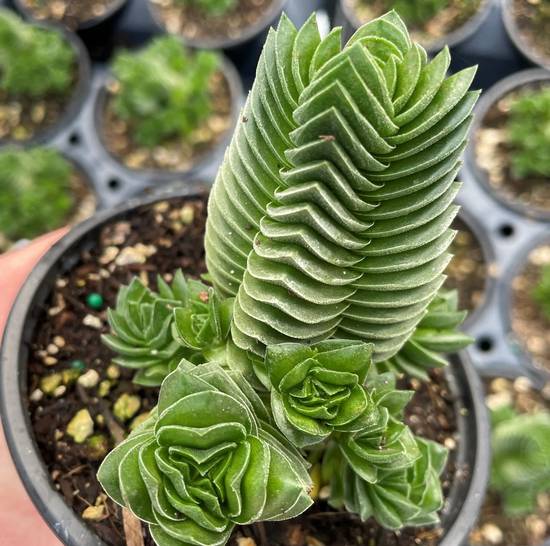
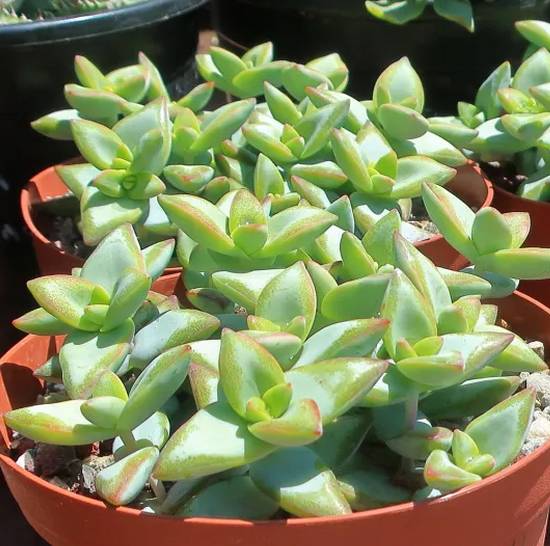
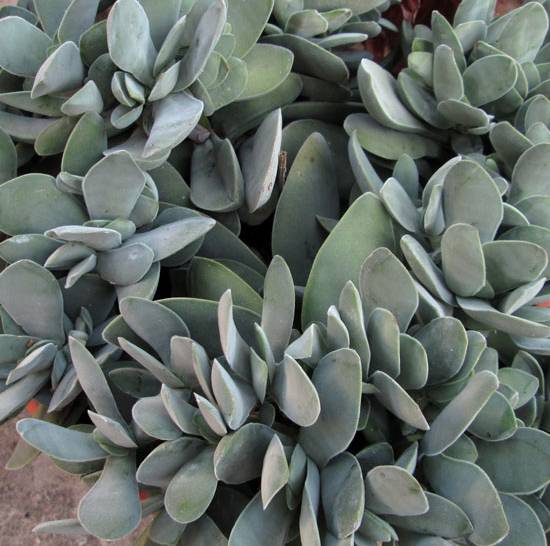
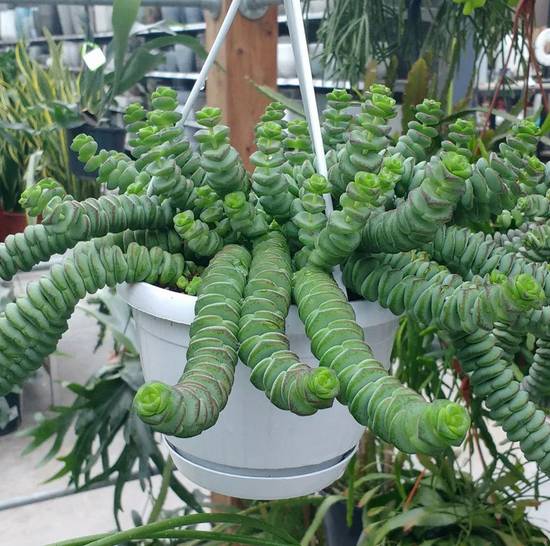
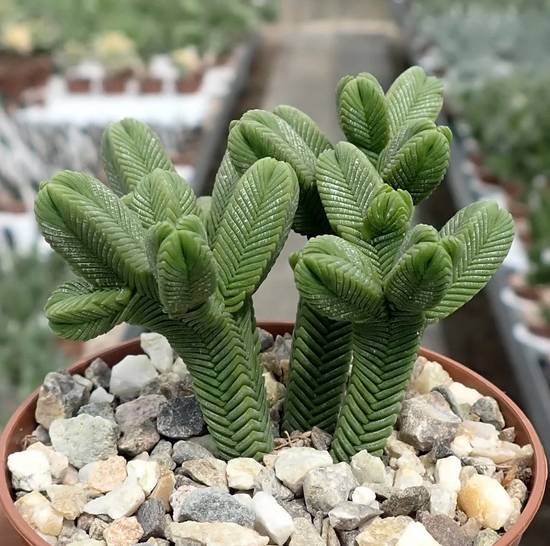
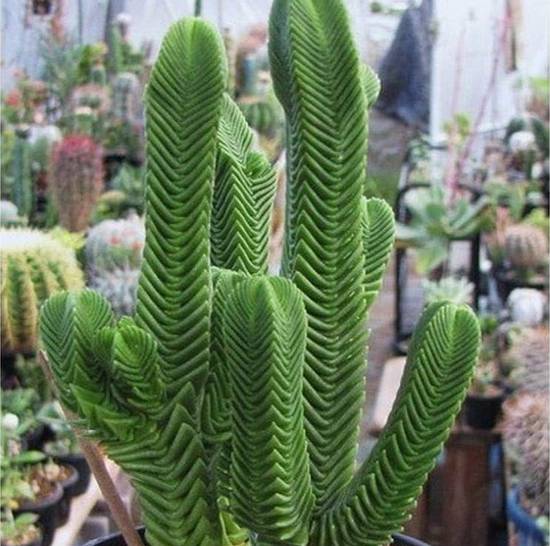
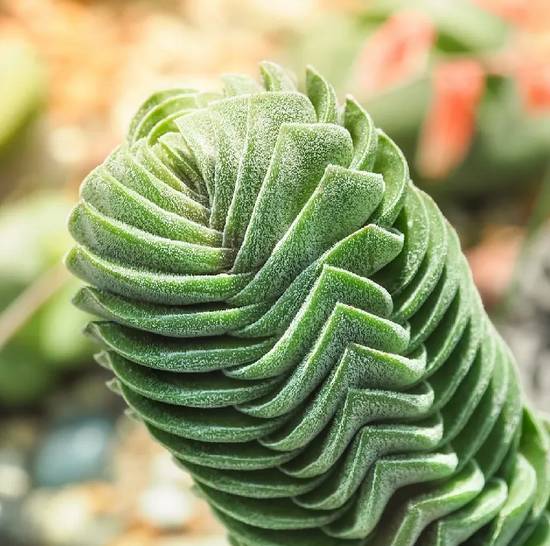
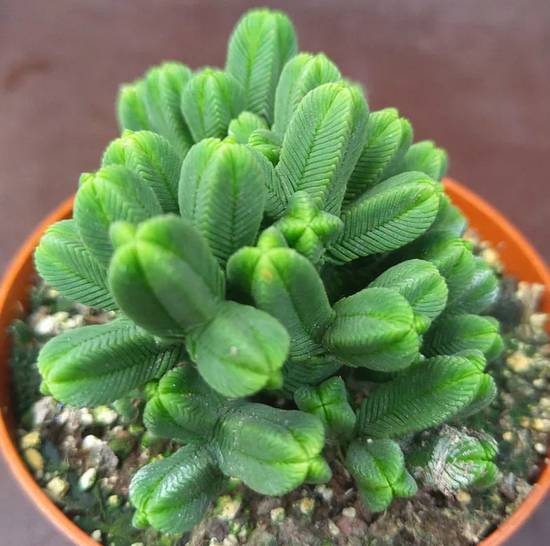
The Crassula Pyramidalis is a fascinating succulent, renowned for its striking geometric architecture and clean lines. Its appearance resembles a small plant tower: its triangular leaves, interlocked one over the other, form almost perfect columns, hence its evocative name. This plant native to South Africa is an excellent choice for collectors and lovers of plant miniatures, both for its original appearance and for its relatively simple cultivation in pots.
When healthy, Crassula Pyramidalis displays a light green to bluish-green color, which can turn reddish in full sun or during periods of water stress, thus adding additional visual appeal. Its growth is slow but steady, allowing it to retain its compact appearance for a long time without major intervention. It is perfectly suited to bright indoor cultivation or greenhouse growing, and can also live outdoors in mild climates.
🌞 Intense light essential : It needs at least 5 to 6 hours of direct sun per day to remain compact and maintain its pyramidal shape.
🏜️ Indoors : Place it near a south-facing window. In case of low light, it will tend to become etiolated.
🌤️ Acclimatization : If you place it outdoors, introduce it gradually to full sun to avoid leaf burns.
💧 Growing period (spring-summer) : Water moderately every 15 to 20 days. The substrate must dry completely between waterings.
🌵 Rest period (autumn-winter) : Water very little, or not at all depending on the ambient temperature. Too much winter humidity leads to a high risk of rot.
⚠️ Tip : It is better to miss a watering than to water too often. Root rot is one of the main dangers for this miniature plant.
🌡️ Ideal temperature : between 20°C and 28°C during the growing period.
❄️ Minimum temperature : Occasionally tolerates 5°C, but only if the substrate is completely dry. Does not withstand frost.
🏠 Indoor cultivation : Ideal year-round at home or in an unheated veranda, provided there is sufficient light.
🪨 Recommended substrate : Mix a substrate suitable for cactus with 30 to 50% perlite or pozzolana to improve aeration. You can add a little coarse sand or fine gravel.
This type of substrate allows rapid water drainage and maintains a healthy root environment, crucial for this type of plant.
🌸 Period : Generally in spring or summer, on well-rooted specimens.
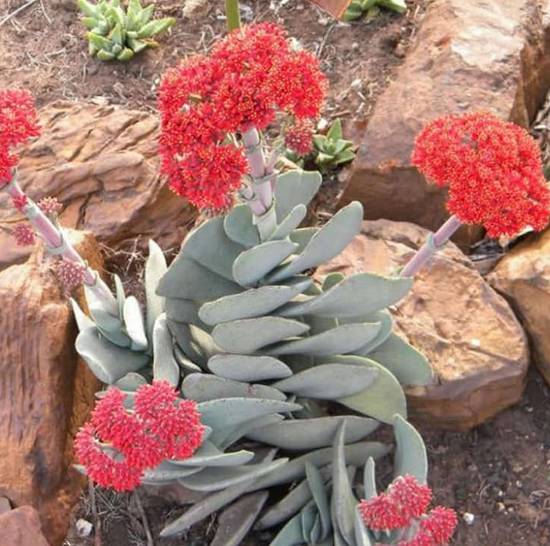
🎨 Color : The flowers are small creamy-white stars, sometimes tinged with pale pink.
🕒 Duration : Only a few days.
💡 Flowering is often a sign that the plant is well acclimated and grown under good light and watering conditions.