Crassula Hobbit

Crassula Hobbit
Crassula Hobbit
Crassula Hobbit

Crassula Hobbit

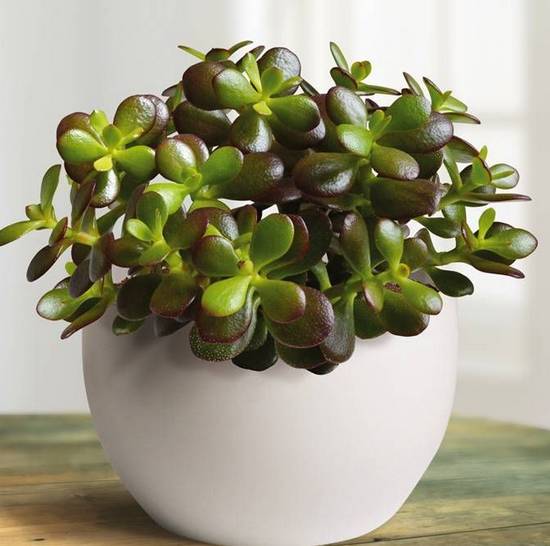
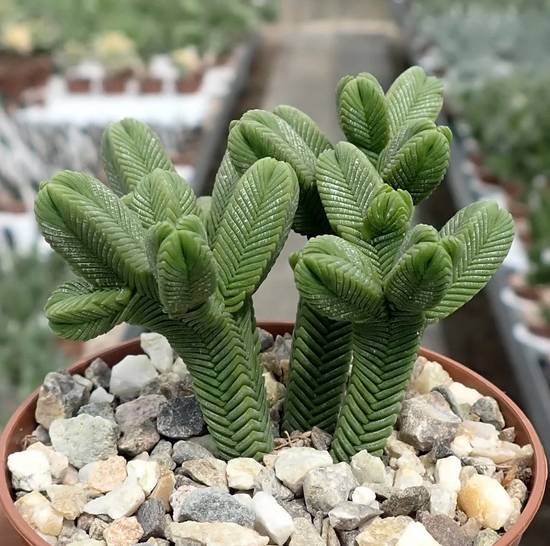
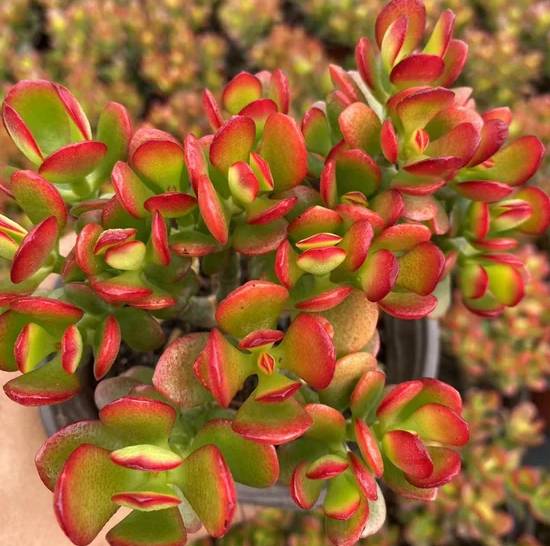
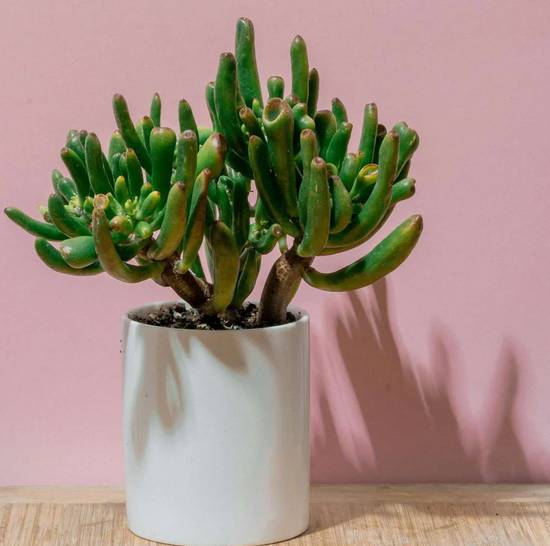
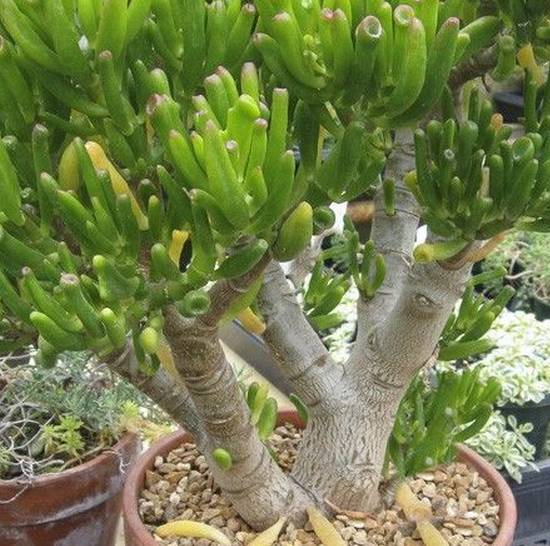
The Crassula Hobbit is a fascinating and very original succulent, resulting from a mutation of the famous Crassula Ovata. This cultivar stands out for its tubular leaves curved inward, resembling pointed ears or twisted fingers. It is this unique morphology that earned it the nickname “Gollum” or “Hobbit”, in reference to Tolkien’s fantasy universe.

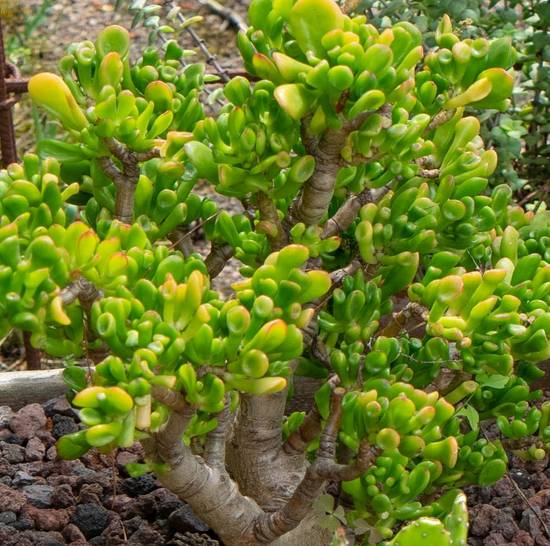
Compact and very graphic, the Crassula Hobbit is perfect for decorating a windowsill, a shelf or even a bonsai collection. It grows slowly but surely, forming over time a woody base and twisted branches. This plant with singular charm attracts both succulent enthusiasts and beginners looking for an easy and decorative plant.

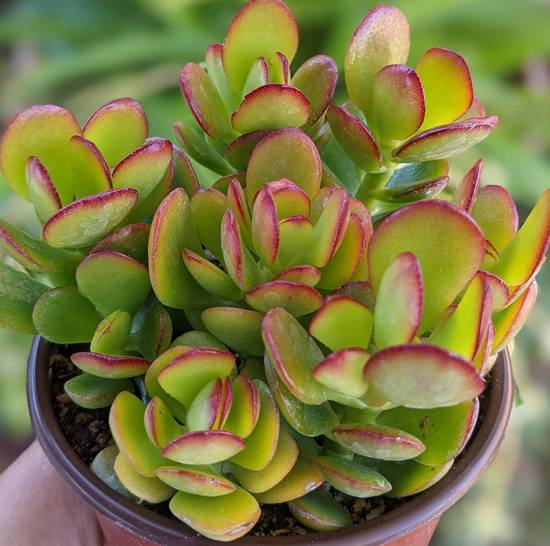
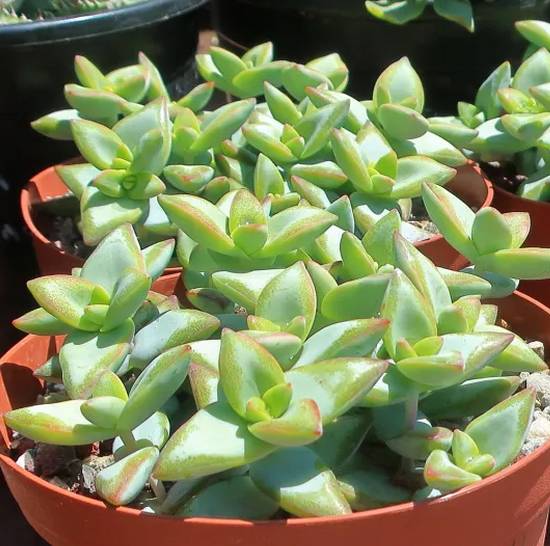
Its color varies from light green to dark green, sometimes tinged with red on the edges, especially if it receives sufficient light. It can also produce small star-shaped flowers, generally white to pinkish, but it is mainly its strange foliage that captivates.

Although the Crassula Hobbit does not exist in the wild, its origins trace back to Crassula Ovata, a species native to the arid regions of South Africa. This mutated version was selected in cultivation for its distinctive foliage and compact shape.

It shares the same requirements as its ancestor, namely strong drought tolerance, a need for abundant light, and a great ability to survive in pots for many years.
To develop properly, the Crassula Hobbit must receive maximum light:

🌞 Direct sun : It tolerates full southern exposure very well, which intensifies the red color of its tips.

🌤️ Filtered light : In summer or in very hot regions, light shade during the hottest hours is recommended to avoid foliage burns.

🚫 Warning : Lack of light leads to stem etiolation, loss of compactness and pale leaves.
Like all succulents, the Crassula Hobbit prefers moderate watering:

🌱 Spring / summer : Water every two to three weeks, always allowing the substrate to dry completely between waterings.

🍂 Autumn / winter : Greatly reduce or even stop watering during the cold months, especially if the plant is kept cool.

💧 Important : Too much water is fatal. Roots rot quickly if the substrate remains soaked. When in doubt, refrain from watering.
The Crassula Hobbit appreciates moderate to warm temperatures:

🌡️ Ideal temperature : Between 18°C and 28°C during the active growing period.

❄️ Cold resistance : It occasionally tolerates temperatures down to 5°C, but must never be exposed to frost.

🏠 Indoor cultivation : Perfect for apartments, it enjoys well-exposed windowsills.
🪨 The Crassula Hobbit requires perfectly drained soil to avoid rot. Prefer a special cactus substrate enriched with draining material. For example, you can mix a adapted soil with perlite or add a layer of pozzolana at the bottom of the pot to improve drainage.
The flowering of the Crassula Hobbit is rare but charming:

🌸 Season : Generally in winter or early spring, if conditions are met.

🎨 Color : Small star-shaped flowers, white to pinkish.

💡 Tip : Successful flowering requires a mature plant, some winter coolness and good light.
FAQ - Crassula Hobbit

How should a Crassula Hobbit be properly watered?
Crassula Hobbit should be watered moderately: allow the substrate to dry completely between waterings. In winter, reduce or stop watering to avoid any risk of rot.
What substrate should be used for a Crassula Hobbit?
Use a well-draining substrate for cacti, enriched with perlite or pumice to prevent stagnant moisture.
What fertilizer should be used for Crassula Hobbit?
A liquid cactus fertilizer applied once a month in spring and summer will promote its growth.
Why is my Crassula Hobbit becoming soft?
A soft Crassula Hobbit indicates excess water or a root problem. Check the pot drainage and stop watering.
Can Crassula Hobbit live outdoors?
Yes, if the climate is mild. But beware of frost: it must be brought indoors in winter as soon as temperatures drop below 5°C.
Where should a Crassula Hobbit be placed indoors?
Place it near a well-exposed window, preferably facing south or west. It needs several hours of light per day.
Can Crassula Hobbit be pruned?
Yes, pruning helps give it a compact shape. Use a clean tool and cut above a node.
When should Crassula Hobbit be repotted?
Repot every 2 to 3 years, preferably in spring. Choose a slightly larger pot and a suitable substrate.
What are the signs of underwatering in Crassula Hobbit?
Its leaves become soft and slightly shriveled. In that case, resume moderate watering after checking the substrate.
How can you encourage Crassula Hobbit to bloom?
Provide a cool winter rest period (around 10°C) and good sunlight in spring. Do not forget a special fertilizer to stimulate blooming.