Crassula Cotyledonis
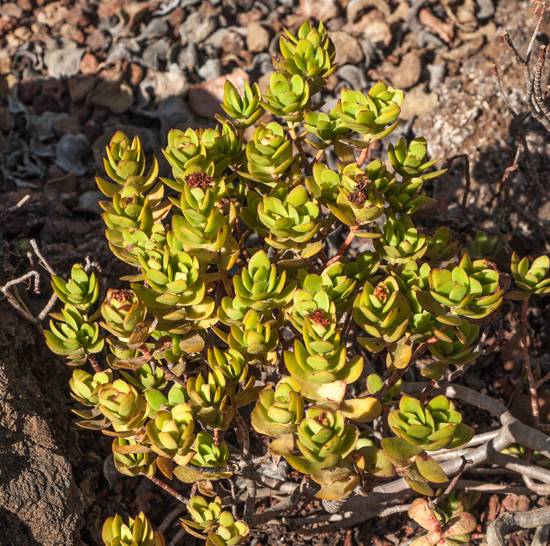
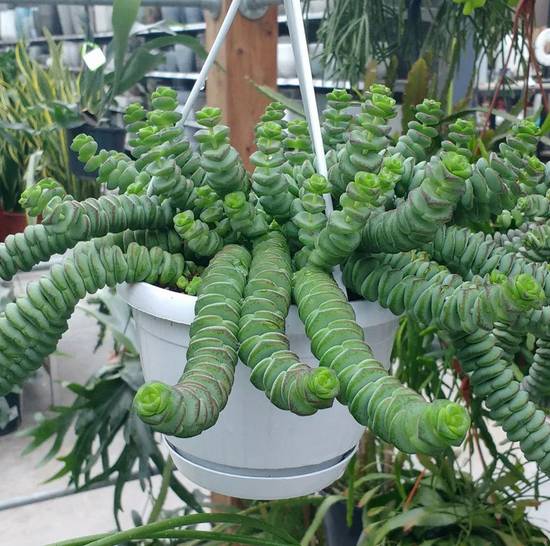
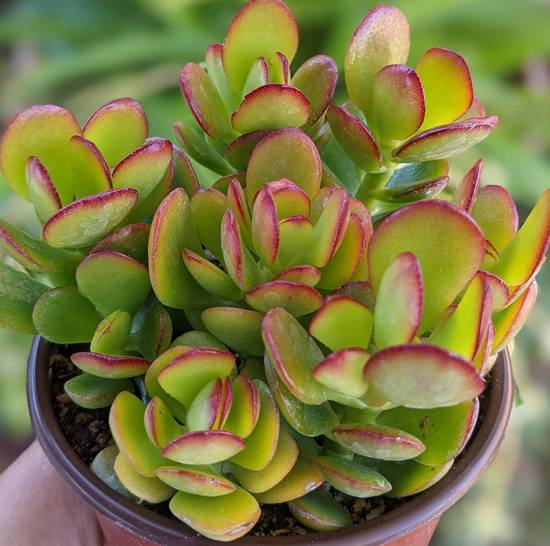
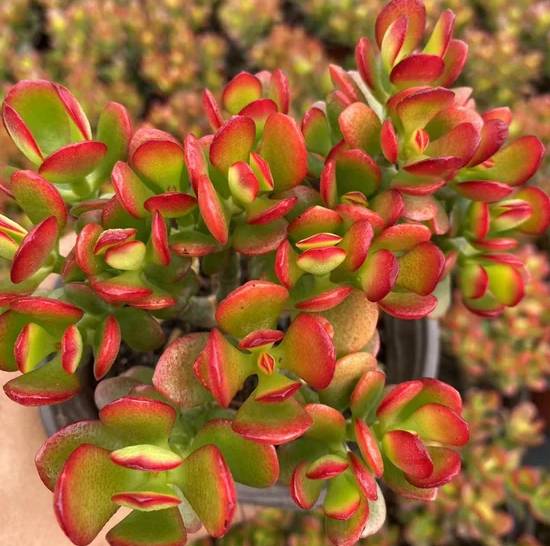
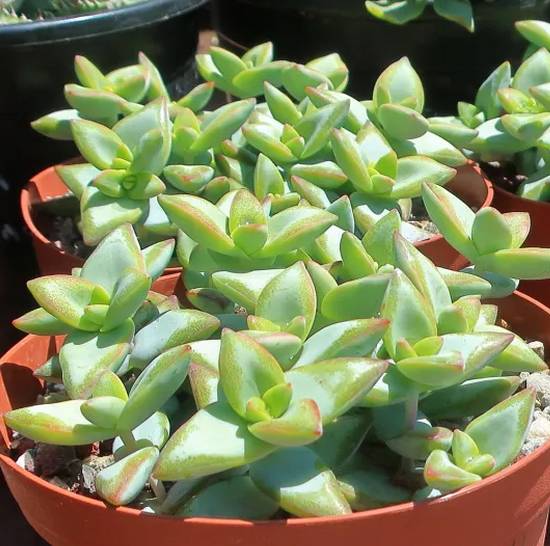
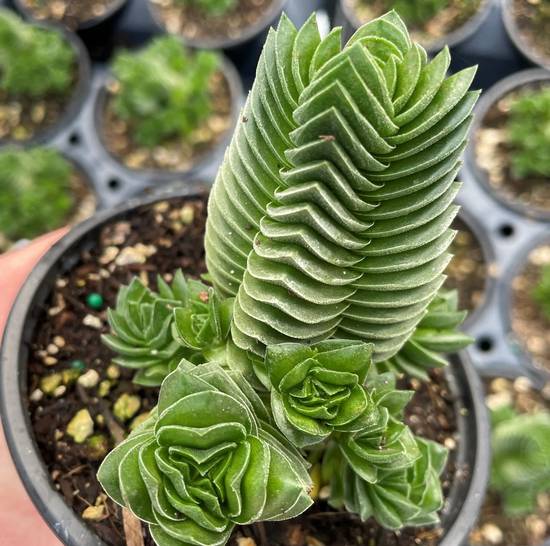
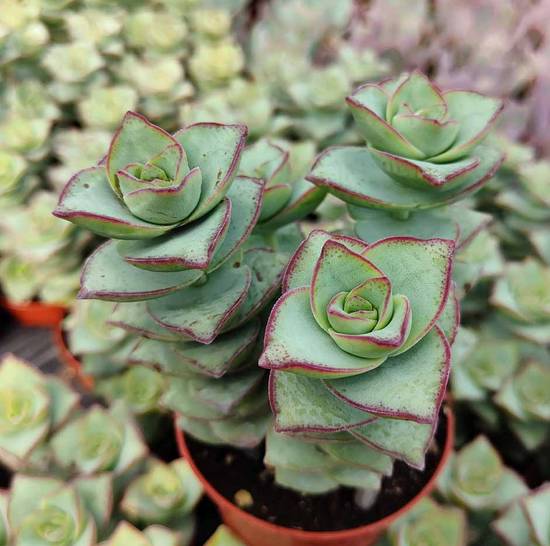
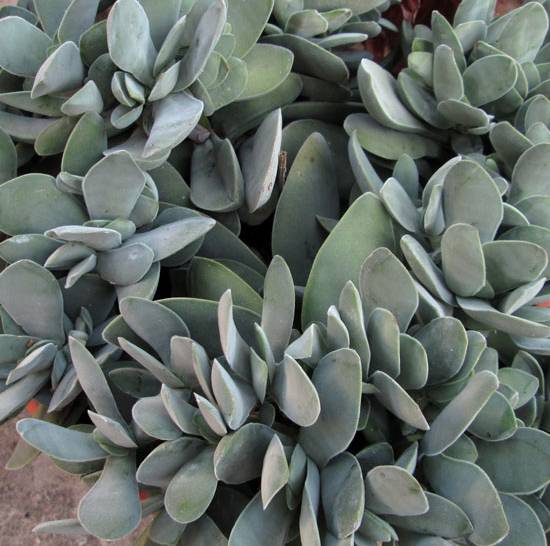
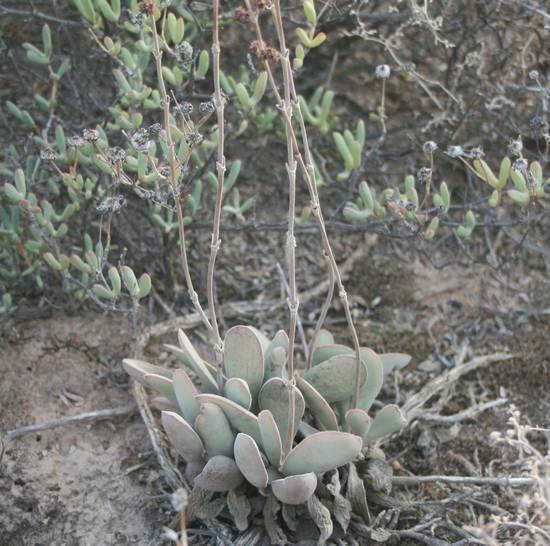
The Crassula Cotyledonis is a succulent plant with discreet but deeply graphic charm, particularly appreciated by lovers of compact and velvety forms. This small species forms flattened rosettes composed of fleshy, rounded leaves covered with a fine silvery down that gives it a silky feel to the touch. This velvety texture, typical of certain South African Crassulas, makes it irresistible in collections and also allows it to reflect sunlight in its natural habitat.
Its leaves are opposite, spoon-shaped or slightly spatulate, often edged with red when the plant is well exposed or slightly stressed. The entire plant maintains a low, spreading, even slightly creeping habit with age. Very hardy in appearance, Crassula Cotyledonis is in fact a species demanding in terms of drainage and light, but not very water-hungry. Its growth is slow to moderate, making it ideal for cultivation in pots, planters or even open terrariums.
🌞 Recommended exposure : Direct sun or very bright light. At least 5 hours of sun per day are necessary for harmonious growth.
🌿 Bright indoors : Place it near a well-exposed window (south or west orientation). Lack of light leads to rapid etiolation.
⚠️ Transition : If moving the plant from indoors to outdoors, acclimate it gradually to avoid burns.
💧 Active period (spring/summer) : Water every 2 to 3 weeks, only when the substrate is completely dry.
❄️ Rest period (autumn/winter) : Very spaced watering, or suspended if the temperature is cool.
⚡ Essential advice : A soft or translucent leaf is often a sign of excess moisture. A missed watering is better than excess.
🌡️ Ideal temperature : Between 20 and 28 °C.
❄️ Resistance limit : 5 °C in dry substrate. It does not withstand any frost, even brief.
🏠 Winter cultivation : Bring it into a bright and unheated room to simulate resting conditions.
🪨 Ideal preparation : Mix 50% of cactus soil with 25% perlite and 25% pozzolana.
This substrate allows rapid drying between waterings and prevents any risk of water stagnation, the primary cause of rot in this species.
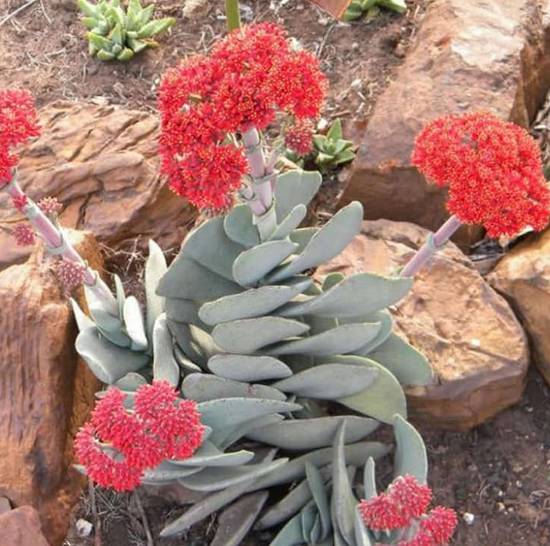
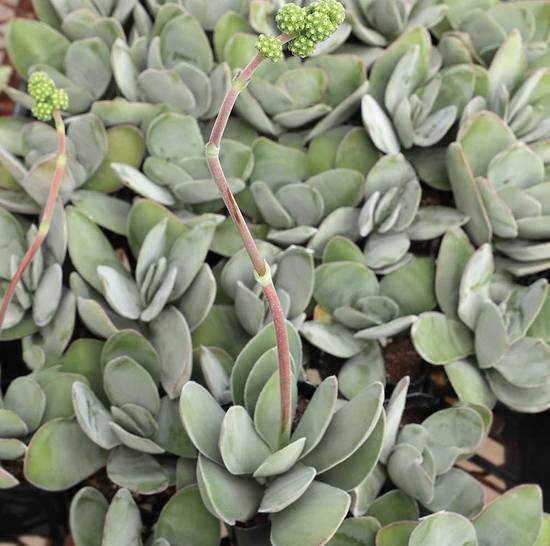
🌸 Period : From spring to summer.
🎨 Color : Small yellow to greenish flowers, arranged on upright stalks.
💡 Providing a dry cycle in winter and good light in spring encourages the appearance of flowers.