Agave Geminiflora
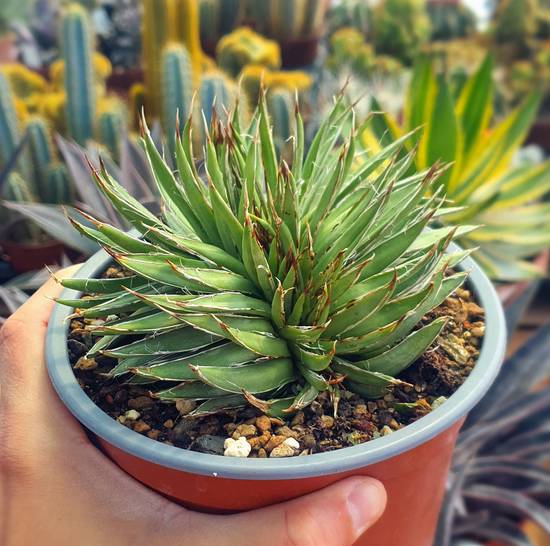
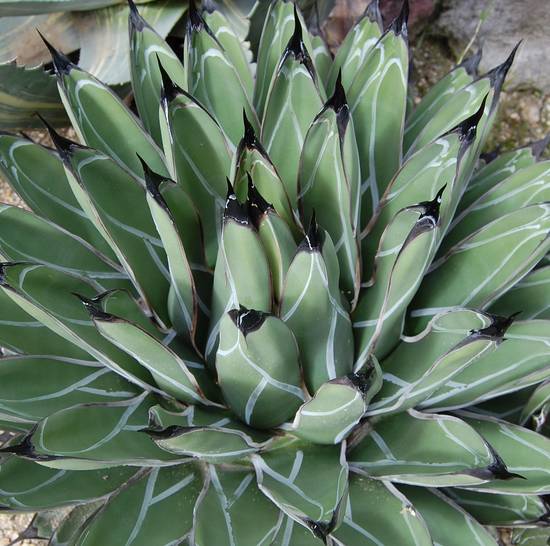
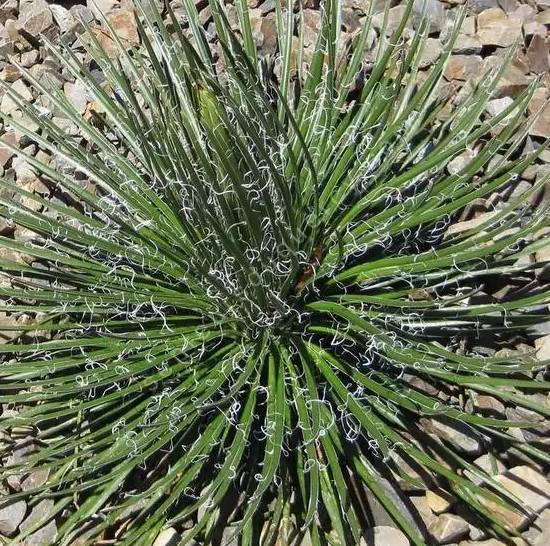
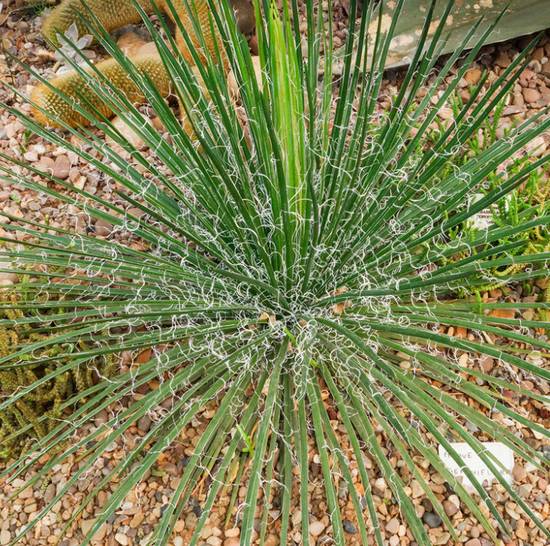
The Agave Geminiflora is a fascinating species of the genus Agave, clearly distinct from its stockier and more spiny relatives. With its elegant appearance and refined silhouette, this succulent plant forms a dense rosette composed of numerous very narrow, long, thread-like leaves, slightly rigid and glossy dark green. Each leaf is edged with fine white filaments that gracefully curl, enhancing its almost graphic decorative effect.
Because of its unique shape, Agave Geminiflora resembles a living sculpture: a perfect natural ornament for contemporary gardens, patios, or even very bright interiors. It can reach up to 80 cm in diameter and the same in height, although it grows slowly. This species is also appreciated for its relative softness: unlike other agaves, it has no aggressive terminal spines, making it more user-friendly and easier to place in high-traffic areas.
Its slow growth, graceful habit and drought resistance make it a plant of choice for lovers of graphic plants, without requiring demanding maintenance.
🌞 Direct sun : 5 to 6 hours of sun per day are more than sufficient. It tolerates light shade, making it more flexible than other agaves.
🌤️ Indoors : a very bright location is essential, otherwise the leaves may elongate excessively and lose their harmonious structure.
💡 Good ventilation helps prevent rot problems, especially in enclosed environments.
🌱 Spring / summer : water only when the substrate is completely dry, approximately every 2 to 3 weeks.
🍂 Autumn / winter : space watering even more, or stop completely if the plant is kept cool.
⚠️ Too much water is dangerous: soft leaves, dark spots or soft bases are the first signs of excess.
🌡️ Ideal : between 20°C and 30°C.
❄️ Minimum tolerated : down to –3°C, provided the soil is perfectly dry. Otherwise, bring it indoors as temperatures approach 5°C.
🏠 Indoor wintering : a bright, unheated room is perfect to ensure a healthy winter rest.
🪨 Use a well-aerated cactus substrate mixed with 30 to 50% perlite or pozzolana. A pot with drainage holes is essential to ensure effective drainage.
🌸 Period : after 10 to 15 years, it produces a large central flower stalk.
🎨 Flowers : tubular, pale yellow to creamy green, grouped in pairs (hence its name "geminiflora").
🕑 Monocarpic : the rosette dies after flowering, but it may produce numerous offsets at the base.