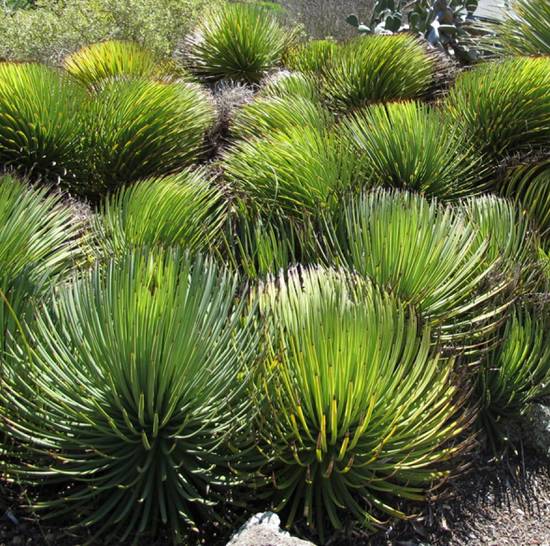
Agave Stricta

Agave Stricta
Agave Stricta

Agave Stricta

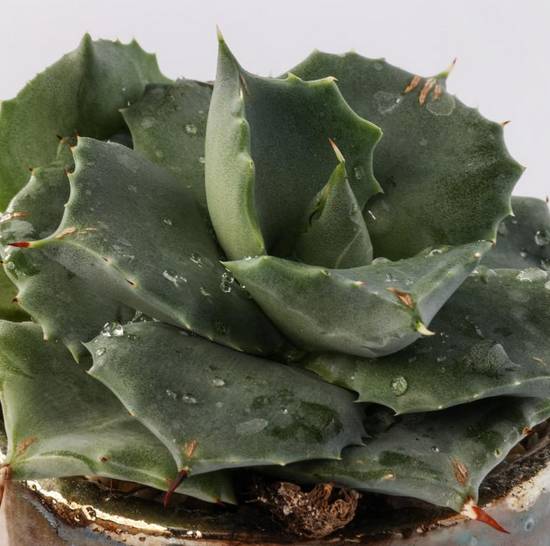
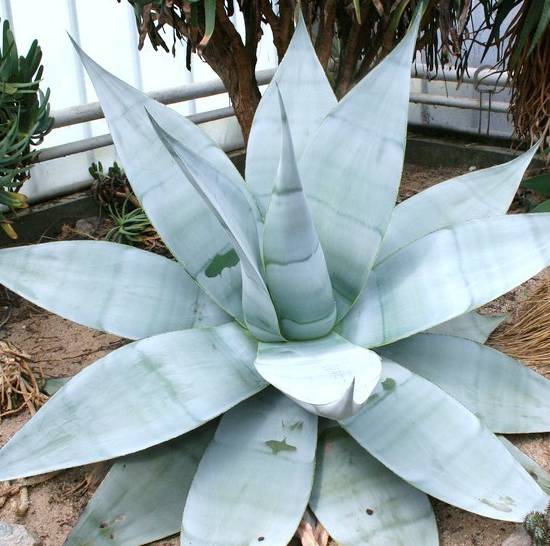
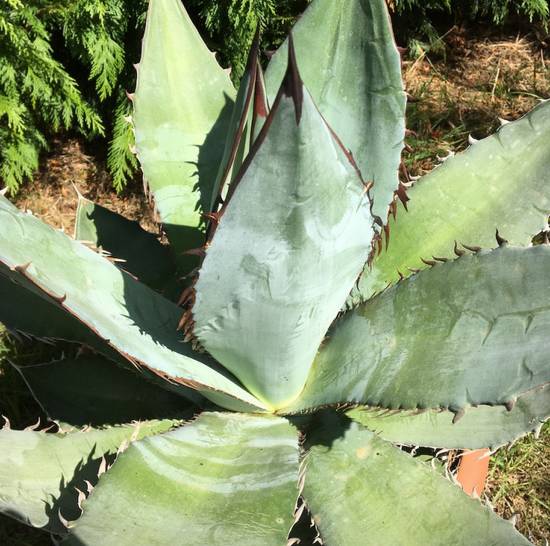
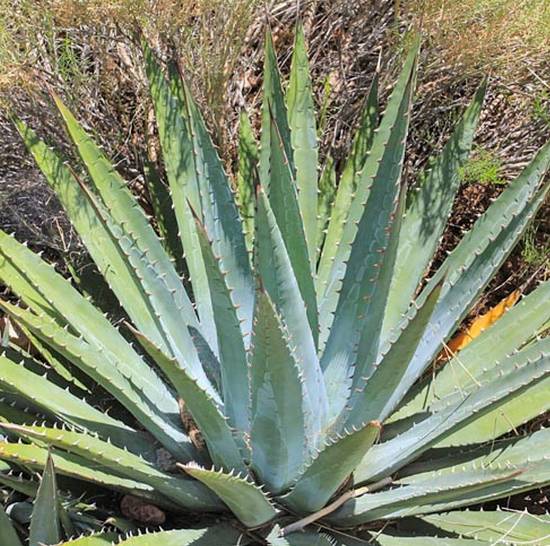
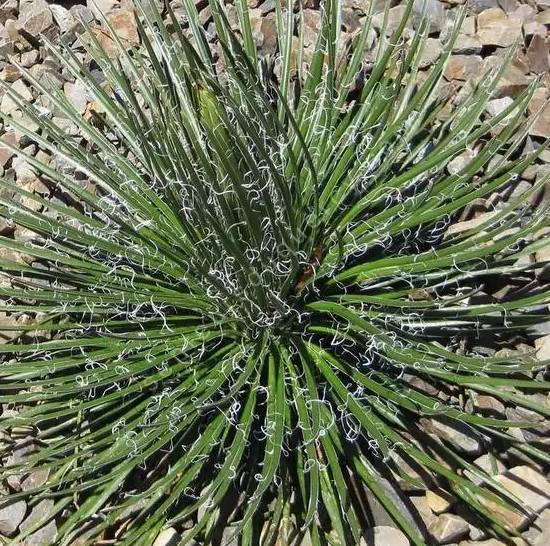
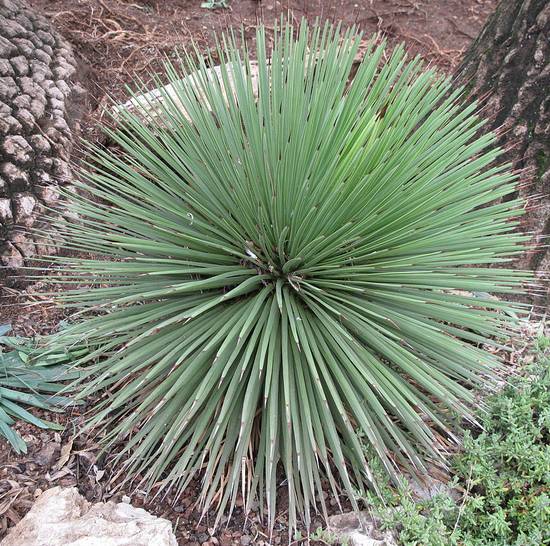
The Agave Stricta is a fascinating species native to Mexico, recognizable by its spherical silhouette bristling with very fine and rigid leaves. Unlike agaves with thick and fleshy leaves, this species develops a rosette composed of dozens of narrow and upright leaves, sometimes slightly curved, giving it the appearance of a perfectly symmetrical vegetal sphere. Its geometric structure and compact habit make it a highly prized agave for dry gardens, pots, or mineral rock gardens.

The bright green to dark green foliage, sometimes edged with small flexible teeth, can take on reddish hues under intense sunlight or in conditions of water stress. With an adult size reaching 40 to 50 cm in diameter, it forms a dense and spiky bush, yet without being dangerous to the touch, making it easy to handle.

The growth of Agave Stricta is slow but steady. It is a hardy, drought-resistant plant that adapts to warm, dry and well-drained climates. It is also often used for graphic borders or Mexican-style gardens thanks to its highly structured and decorative habit all year round.

In its natural habitat, Agave Stricta grows on rocky, volcanic or limestone soils, in arid or semi-desert areas, often on slopes. It benefits from maximum sunlight, cool nights and rare but intense rainfall, which explains its drought tolerance and its need for drainage.
Light exposure is essential to maintain the compact shape and beautiful foliage color of Agave Stricta :

🌞 Full sun : essential for harmonious growth and to obtain red reflections on the leaves.

🌤️ Bright indirect light : tolerated indoors, near a well-exposed window.

🌱 Warning : insufficient light causes etiolation (longer, less dense leaves) and makes the plant less attractive.
Like all agaves, Agave Stricta fears excess water, but appreciates moderate watering during the growing period :

💧 Spring-summer : 1 watering every 2 to 3 weeks, when the substrate is dry in depth.

❄️ Winter : no watering if the plant is dormant and the temperature drops below 10 °C.

⚠️ Golden rule : it is better to miss a watering than to water too often. Excess causes soft leaves or a blackened base.
Agave Stricta is surprisingly hardy for an agave :

🌡️ Ideal temperature : between 20 and 30 °C in summer

❄️ Hardiness : down to –6 °C in well-drained and dry soil

🏠 Container cultivation : bring indoors in winter in regions with humid or frosty winters
🪨 For successful container cultivation, drainage is essential. A good mix must limit any water retention around the roots: cactus substrate as a base + perlite to lighten + pozzolana to improve aeration and prevent compaction
The flowering of Agave Stricta is rare but impressive :

🌸 Appearance : after 10 to 15 years, or more depending on conditions

📏 Flower stalk : up to 2 meters high

🎨 Flowers : reddish to brownish, grouped in spikes

🕑 Consequence : like all agaves, the plant dies after flowering but may produce lateral offsets.
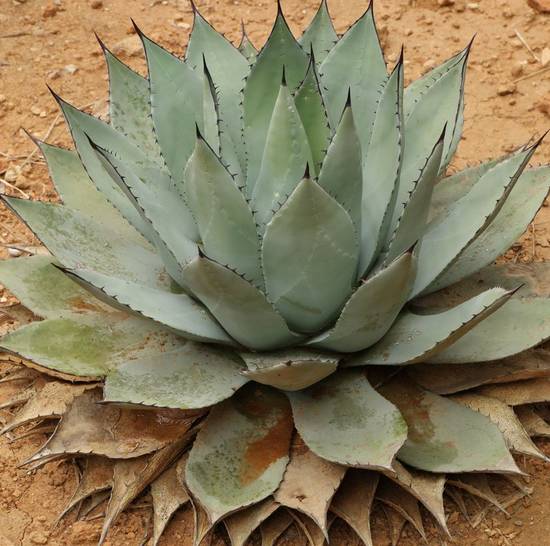
FAQ - Agave Stricta

What exposure is ideal for Agave Stricta?
It prefers full sun. This helps it maintain a compact shape and develop more intense reddish tones.
How should Agave Stricta be watered properly?
In summer, water every 2 to 3 weeks, ensuring the substrate is completely dry. In winter, avoid watering if the plant is dormant.
What type of soil is best for Agave Stricta?
A cactus substrate enriched with perlite and pumice ensures optimal drainage.
Can Agave Stricta grow indoors?
Yes, provided it receives intense light, ideally near a south-facing window. In low light, its compact form may loosen.
When does Agave Stricta bloom?
Flowering is very late, often after 10 to 15 years. It produces a tall flower stalk, and the rosette dies afterward, as with all agaves.
Does Agave Stricta die after flowering?
Yes, it is monocarpic and dies after flowering. However, offsets may appear at the base if grown in the ground.
How frost hardy is Agave Stricta?
It can tolerate temperatures down to –6°C, provided it is grown in dry, well-drained soil.
How can you recognize overwatering or underwatering in Agave Stricta?
Overwatering causes soft or blackened leaves at the base. Underwatering results in slowed growth but is not immediately dangerous.
What fertilizer should be used for Agave Stricta?
Use a low-nitrogen cactus fertilizer once a month between April and August.
Can Agave Stricta be easily propagated?
Propagation is difficult because it produces few or no offsets. Sowing is possible but slow. It is best to purchase mature nursery-grown specimens.